

TOC
- 1. What Is Sapphire?
- 2. Sapphire History and Meaning
- 3. Sapphire Physical and Chemical Properties
- 4. Sapphire Colors and Varieties
- 4-1. Blue Sapphire
- 4-2. Padparadscha Sapphire
- 4-3. Pink Sapphire
- 4-4. Yellow Sapphire
- 4-5. White (Colorless) Sapphire
- 4-6. Purple Sapphire
- 4-7. Black Sapphire
- 4-8. Star Sapphire
- 5. Sapphire Treatments: Natural, Heated, and Lab-Created
- 6. Sapphire Value and Price
- 7. Sapphire Meaning and Symbolism
- 8. How to Care for Sapphire
- 9. Sapphire FAQ
- 9-1. What is sapphire?
- 9-2. What does sapphire symbolize?
- 9-3. What colors does sapphire come in?
- 9-4. Are most sapphires treated?
- 9-5. How much is sapphire worth?
- 9-6. Is sapphire good for everyday jewelry?
- 9-7. What is padparadscha sapphire?
- 9-8. What is the birthstone month for sapphire?
- 10. Buying Sapphire from KenKenGems

What Is Sapphire?
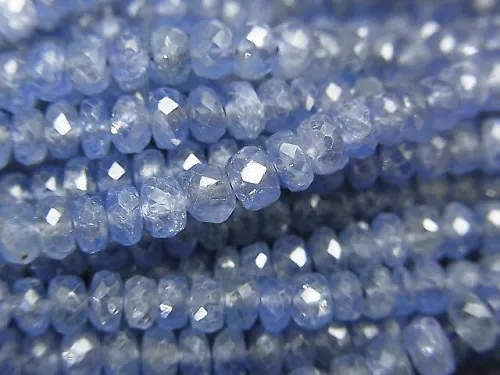
Sapphire is the gem-quality form of corundum (aluminum oxide, Al2O3) in every color except red — red corundum is ruby. Traditionally one of the four "precious" gems alongside diamond, ruby, and emerald, it is the September birthstone and a classic 45th-anniversary stone. Blue is the iconic color, but sapphires also occur in yellow, pink, purple, green, white, and the rare pinkish-orange padparadscha; non-blue stones are called "fancy" sapphires.
Sapphire History and Meaning
Sapphire's name traces to words meaning "blue stone" — the Greek "sappheiros" and Semitic "sapir." Across cultures it has symbolized wisdom, royalty, and the heavens: it was linked to Zeus in Greece, worn by Roman priests, and associated with the sky and the divine throne in several traditions, while medieval kings and clergy revered it as a symbol of holiness and truth. These are historical and cultural associations that continue to shape sapphire's meaning as a stone of loyalty and wisdom today.

Sapphire Physical and Chemical Properties
Sapphire is corundum (aluminum oxide, Al2O3), and its color comes from trace elements: iron and titanium create blue, iron alone gives yellow and green, chromium adds pink, and vanadium produces purple. Its standout property is hardness — 9 on the Mohs scale, second only to diamond — which makes it exceptionally durable and ideal for everyday jewelry. Large, clean, gem-quality sapphires are rare, and the finest can rival or exceed diamonds in price per carat.

Sapphire Colors and Varieties
Sapphires come in a full spectrum of colors, and hue and saturation drive value. Blue is the most iconic, but "fancy" sapphires in other colors — and the rare padparadscha — are highly collectible.
Blue Sapphire
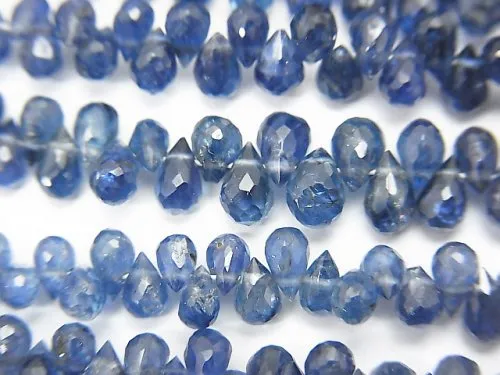
Blue is the most iconic and generally most valuable sapphire color. In the trade, vivid "Royal Blue" (deep, saturated) and "Cornflower Blue" (bright, velvety) are the most prized descriptions, and legendary Kashmir stones are in a class of their own for their soft, velvety blue. Fine Kashmir cornflower material can start around USD $350 per carat and rise sharply for larger sizes.
Padparadscha Sapphire
Padparadscha is a rare and coveted sapphire with a delicate pinkish-orange color, named after the lotus flower. True padparadscha is among the most valuable fancy sapphires and comes chiefly from Sri Lanka, Madagascar, and Tanzania. Note that "padparadscha" is a specific pink-orange hue, distinct from plain pink sapphire.
Pink Sapphire
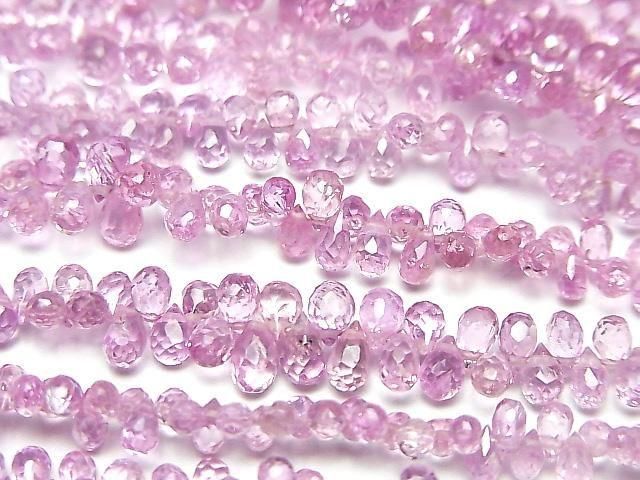
Pink sapphire ranges from delicate pastel to vivid, near-ruby pink, colored by chromium. Fine pink stones are among the rarer, more sought-after fancy sapphires and are mined notably in Sri Lanka, Madagascar, and Myanmar. (Where pink shades into orange, the stone may qualify as padparadscha.)

Yellow Sapphire
Yellow sapphire, colored by iron, ranges from pastel lemon to rich golden orange. Bright, clean stones from Sri Lanka, Myanmar, Tanzania, and Thailand are especially valued, and yellow sapphire is a popular, durable alternative to yellow diamond.

White (Colorless) Sapphire
White (colorless) sapphire is pure corundum with no coloring trace elements — naturally uncommon. Thanks to its hardness and clarity, it is a popular, budget-friendly diamond alternative for engagement rings and accents. Sources include Sri Lanka, Madagascar, and East Africa.

Purple Sapphire
Purple sapphire, colored by vanadium, ranges from lilac to deep violet and offers a luxurious look at a friendlier price than blue. It was historically — and misleadingly — sold as "Oriental amethyst," a term the gem trade now discourages because it wrongly implies a link to amethyst (quartz); it is simply purple sapphire.

Black Sapphire
Black sapphire is a dark, heavily included corundum whose color comes from dense iron and titanium inclusions. Affordable and durable, it is a popular choice for men's jewelry and bold designs, and it is mined in Australia, Sri Lanka, Thailand, and Tanzania.

Star Sapphire
Star sapphire is a translucent-to-opaque sapphire that shows asterism — a shimmering, star-shaped ray of light — caused by fine needle inclusions. The effect is best seen in domed cabochons under a single light source, and stars appear in blue, black, pink, and other colors. Because raw sapphire is often pale or cloudy, most sapphire on the market is treated to improve color and clarity, which brings us to the next section.

Sapphire Treatments: Natural, Heated, and Lab-Created
Most sapphires are treated, and disclosure is essential. The great majority of blue sapphires are heat-treated to improve color and clarity — a stable, widely accepted practice — while other stones may be diffusion-treated, fracture-filled, or irradiated, and lab-created (synthetic) sapphires are grown to look like natural stones. Under the FTC Jewelry Guides, treatments and synthetic origin must be disclosed, and value drops from natural-untreated to heated to more heavily treated material.
- Natural, untreated: rarest and most valuable; usually comes with a lab report
- Heat-treated: the most common and accepted treatment; stable and permanent
- Diffusion / fracture-filled / irradiated: lower value; must be disclosed
- Lab-created (synthetic): real corundum but grown in a lab — genuine sapphire, not "fake," and much less costly; must be labeled
Before buying, always ask about origin and treatment, and request a report for high-value stones.

Sapphire Value and Price
For colored stones like sapphire, color is king, followed by clarity, cut, and carat — plus origin and treatment. Vivid, evenly saturated blue (especially untreated Kashmir, Burmese, or Ceylon material) commands the most, along with fine padparadscha; heavily included or over-treated stones cost far less. As a rough guide, commercial heated blue sapphire runs about USD $25–$400 per carat (CAD $35–$550), fine untreated stones reach thousands per carat, and top Kashmir material is far higher. Lab-created sapphire is inexpensive. Treat these as general guidance rather than fixed quotes, and remember an independent report protects value.

Sapphire Meaning and Symbolism
Sapphire has long been revered as a symbol of wisdom, truth, loyalty, and nobility, and it is the September birthstone and a traditional 45th-anniversary gem. It is important to be clear that any "healing" associations are cultural and folkloric, not medical facts: sapphire is not a medicine and does not diagnose, treat, cure, or prevent any illness, and it is no substitute for professional care.
- Traditionally associated with wisdom, focus, and mental clarity
- A symbol of loyalty, sincerity, and faithfulness (a reason it is popular in engagement rings)
- The September birthstone and 45th-anniversary gemstone
- Historically linked with royalty, the heavens, and divine favor in many cultures
These are traditional beliefs, not medical claims.
How to Care for Sapphire
Sapphire is one of the most durable gems (Mohs 9), so it is easy to care for, but a few cautions apply — especially for treated stones.
- Clean with warm water, mild soap, and a soft brush
- Ultrasonic and steam cleaners are usually safe for untreated or heat-treated sapphire, but avoid them for fracture-filled or heavily included stones
- Store separately so it does not scratch softer gems (and only diamond can scratch it)
- Remove rings during rough work to avoid chipping on a hard blow
Sapphire FAQ
Quick answers to the questions people most often ask about sapphire.
What is sapphire?
Sapphire is the gem-quality form of corundum (aluminum oxide) in every color except red (red corundum is ruby). It is the September birthstone and, at Mohs 9, one of the hardest gems.
What does sapphire symbolize?
Sapphire traditionally symbolizes wisdom, truth, loyalty, and nobility. These are cultural associations, not medical claims.
What colors does sapphire come in?
Blue is iconic, but sapphire also occurs in yellow, pink, purple, green, white, black, and the rare pinkish-orange padparadscha. Non-blue stones are called fancy sapphires.
Are most sapphires treated?
Yes. Most blue sapphires are heat-treated to improve color and clarity — a stable, accepted practice — while other treatments and lab-created stones must be disclosed under the FTC Jewelry Guides.
How much is sapphire worth?
It varies widely. Commercial heated blue sapphire may be tens to a few hundred dollars per carat, while fine untreated and Kashmir stones reach thousands per carat. Color, clarity, cut, carat, origin, and treatment all matter.
Is sapphire good for everyday jewelry?
Yes. At Mohs 9 it is extremely durable and excellent for rings and daily wear, though it can still chip on a sharp impact.
What is padparadscha sapphire?
A rare, highly valued sapphire with a delicate pinkish-orange color, named after the lotus flower and found mainly in Sri Lanka, Madagascar, and Tanzania.
What is the birthstone month for sapphire?
Sapphire is the birthstone for September and the traditional gift for a 45th wedding anniversary.
Buying Sapphire from KenKenGems
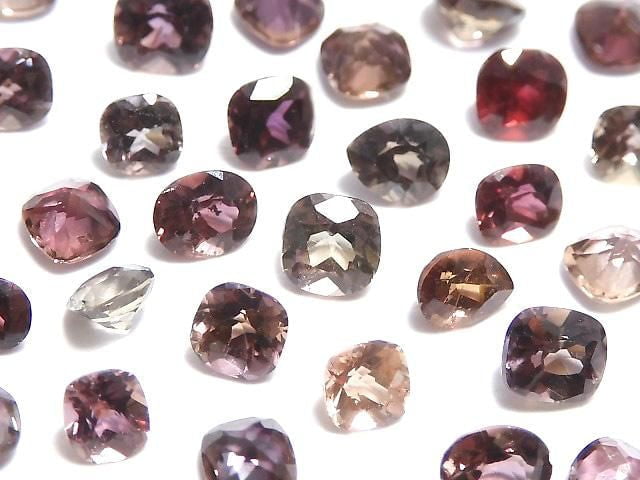
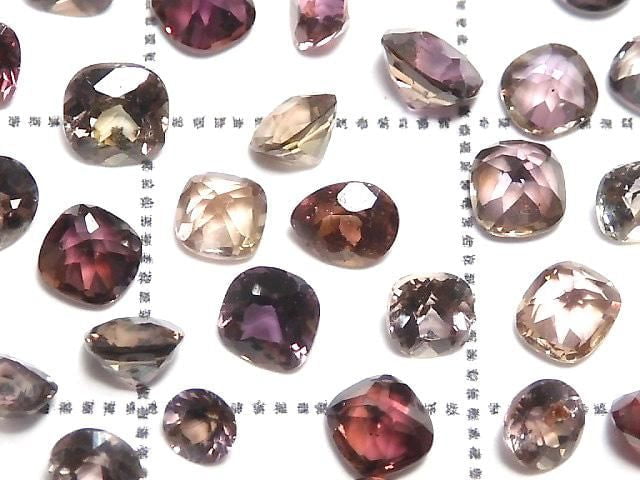
When buying sapphire, choose color first — blue or a fancy hue — then weigh clarity, cut, and carat, and confirm whether a stone is natural, heat-treated, otherwise treated, or lab-created. KenKenGems offers natural and treated sapphires in many colors, including stones with asterism and color play, as loose gems and beads for jewelry making, with treatment described so you know exactly what you are buying.


![[Einzigartig] Saphir AAA- Anhänger 18KGP Nr. 56](http://store.kenkengems.com/cdn/shop/files/191085313.jpg?v=1776767213&width=640)
![[Einzigartig] Saphir AAA- Anhänger 18KGP Nr. 56](http://store.kenkengems.com/cdn/shop/files/191085313_o1.jpg?v=1776767200&width=640)




![[Einzigartig] Saphir AAA-Anhänger 18KGP NO.60](http://store.kenkengems.com/cdn/shop/files/191085318.jpg?v=1776767093&width=640)
![[Einzigartig] Saphir AAA-Anhänger 18KGP NO.60](http://store.kenkengems.com/cdn/shop/files/191085318_o1.jpg?v=1776767079&width=640)

![[Einzigartig] Schwarzer Sternsaphir Rund 10.5mm Armband NO.110](http://store.kenkengems.com/cdn/shop/files/190422707.jpg?v=1772524672&width=640)
![[Einzigartig] Schwarzer Sternsaphir Rund 10.5mm Armband NO.110](http://store.kenkengems.com/cdn/shop/files/190422707_o1.jpg?v=1772524690&width=640)
![[Einzigartig] Unbehandelter rosa Saphir AAA- Lose Stein Facettiert 1 Stück NO.104](http://store.kenkengems.com/cdn/shop/files/190826809.jpg?v=1776772900&width=640)
![[Einzigartig] Unbehandelter rosa Saphir AAA- Lose Stein Facettiert 1 Stück NO.104](http://store.kenkengems.com/cdn/shop/files/190826809_o1.jpg?v=1776772887&width=640)


![[Einzigartig] Saphir AAA- Anhänger 18KGP Nr. 57](http://store.kenkengems.com/cdn/shop/files/191085315.jpg?v=1776767186&width=640)
![[Einzigartig] Saphir AAA- Anhänger 18KGP Nr. 57](http://store.kenkengems.com/cdn/shop/files/191085315_o1.jpg?v=1776767172&width=640)


