
TOC
- 1. What Is Green Amethyst?
- 2. Green Amethyst Meaning at a Glance
- 3. Green Amethyst Meaning and Symbolism
- 4. Green Amethyst Properties
- 5. Green Amethyst vs. Prasiolite: The Correct Name
- 6. Natural vs. Treated Green Amethyst (and Synthetic)
- 7. Where Green Amethyst Comes From
- 8. Green Amethyst Color, Value, and Price
- 9. Green Amethyst Benefits
- 10. Green Amethyst Metaphysical Properties
- 11. Green Amethyst and the Heart Chakra
- 12. Green Amethyst Birthstone and Zodiac Associations
- 13. Green Amethyst Ring Meaning and Jewelry Uses
- 14. How to Choose Green Amethyst for Jewelry Making
- 15. How to Cleanse, Charge, and Care for Green Amethyst
- 16. Shop Green Amethyst for Jewelry Making at KenKenGems
- 17. Green Amethyst FAQ
- 17-1. What is green amethyst?
- 17-2. Is "green amethyst" the correct name?
- 17-3. What does green amethyst symbolize?
- 17-4. What are the properties of green amethyst?
- 17-5. Is green amethyst natural?
- 17-6. Does green amethyst fade?
- 17-7. What are the metaphysical properties of green amethyst?
- 17-8. Is green amethyst good for rings?
- 17-9. How do you clean green amethyst?
- 17-10. What chakra is green amethyst associated with?

What Is Green Amethyst?
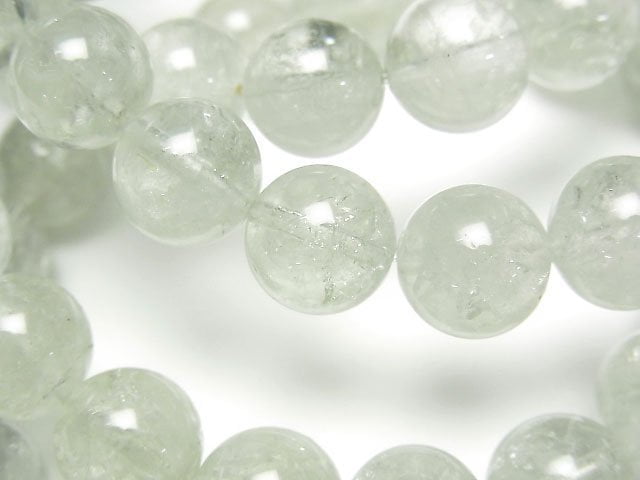
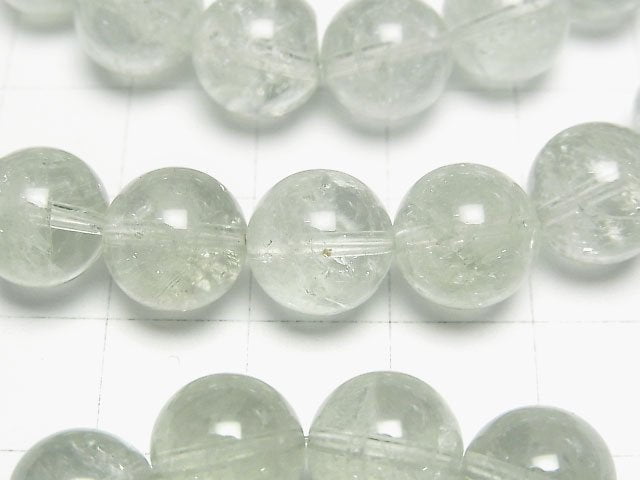
Green amethyst is a green variety of quartz whose correct gemological name is prasiolite (pronounced PRAYS-ee-oh-light). "Green amethyst" is the name most shoppers in the United States and Canada search for, so we use it throughout this guide, but it is a trade name rather than a correct varietal name. Amethyst is, by definition, the purple variety of quartz, so a green stone cannot truly be "amethyst."
It is also important to know how the color is made. Natural prasiolite is rare. Most green amethyst on the market is amethyst or quartz that has been heat-treated (and occasionally irradiated) to develop its green color. This is a common, widely accepted practice in the gem trade, but it should always be disclosed, and the color of treated material can fade with prolonged heat or strong light.
For jewelry makers, green amethyst is popular because it combines the clarity and Mohs 7 durability of quartz with a fresh green color that pairs beautifully with silver, gold, pearls, moonstone, labradorite, and other pastel gemstones. In this guide you will learn the green amethyst meaning, its key properties, the correct name and treatment facts, metaphysical associations, value, care, and how to choose quality stones for handmade jewelry.

Green Amethyst Meaning at a Glance
Green amethyst meaning is most often associated with renewal, emotional balance, calm confidence, and heart-centered growth. Here are the key facts at a glance:
| Attribute | Detail |
|---|---|
| Common trade name | Green amethyst (a trade name / misnomer) |
| Correct name | Prasiolite (green quartz) |
| Also known as | Green quartz, greened amethyst, vermarine |
| Mineral family | Quartz |
| Chemical formula | SiO2 |
| Color | Pale mint, leek green, yellow-green to medium green |
| Mohs hardness | 7 |
| Typical origin | Heat-treated amethyst; natural prasiolite is rare |
| Common jewelry uses | Rings, pendants, earrings, bracelets, beads, faceted loose stones |
| Metaphysical themes (folklore) | Renewal, compassion, self-trust, emotional clarity |
Green Amethyst Meaning and Symbolism
The meaning of green amethyst is closely tied to growth, balance, and renewal. Its soft green color gives it a more nature-inspired impression than purple amethyst, which makes it a favorite for designs that feel calm, fresh, and elegant.
The name prasiolite comes from two Greek words, *prason* ("leek") and *lithos* ("stone"), a reference to the gem's gentle leek-green color. The trade name "green amethyst" remains widely used because the material is related to amethyst and usually begins as amethyst or quartz that develops a green color through heat treatment or, occasionally, natural processes.
In crystal symbolism, green amethyst is traditionally associated with new beginnings, compassion, and clear emotional communication. As a gift it is often chosen to represent a fresh start, sincere affection, and steady personal growth. These are cultural and symbolic meanings rather than proven effects.
Green Amethyst Properties
Green amethyst is a member of the quartz family, so it shares its key physical properties with amethyst, citrine, smoky quartz, and clear quartz.
| Property | Green Amethyst (Prasiolite) |
|---|---|
| Mineral | Quartz |
| Chemical formula | SiO2 |
| Mohs hardness | 7 |
| Luster | Vitreous |
| Transparency | Transparent to translucent |
| Crystal system | Trigonal |
| Cleavage | None (conchoidal fracture) |
| Typical colors | Pale mint, leek green, light yellow-green, medium green |
| Jewelry durability | Good for everyday wear with normal care |
Because it has a Mohs hardness of 7, green amethyst is durable enough for rings, earrings, pendants, and beaded jewelry. It can still chip if knocked against a hard surface, so protective settings and careful storage are recommended for rings and bracelets. Note that the green color of treated stones can fade with prolonged heat or strong light (see the care section).

Green Amethyst vs. Prasiolite: The Correct Name
Yes, green amethyst and prasiolite refer to the same green quartz material, but the two names are not equally correct. Prasiolite is the accurate gemological and trade name; "green amethyst" is a marketing term that many shoppers use.
"Green amethyst" is considered a misnomer (an incorrect name). Amethyst is, by definition, the purple variety of quartz, so calling a green stone "amethyst" is inaccurate, in the same way that "yellow emerald" or "red emerald" are incorrect names for other gems.
This is not just a matter of style. In July 2018 the U.S. Federal Trade Commission published a revised edition of its Guides for the Jewelry, Precious Metals, and Pewter Industries (16 CFR Part 23). The FTC specifically cites "green amethyst" as an example of an incorrect varietal name whose use can be misleading, unfair, and deceptive. For that reason, reputable sellers describe the stone as prasiolite (green quartz) and use "green amethyst" only as an additional, clearly-labeled trade term.
A simple way to remember it: prasiolite is the correct name; "green amethyst" is a popular trade nickname. At KenKenGems we list both so shoppers can find the stone, while describing the material accurately.
Natural vs. Treated Green Amethyst (and Synthetic)
Natural green amethyst (natural prasiolite) is genuinely uncommon. Most of the green amethyst used in jewelry is made in one of these ways, and a responsible seller will tell you which:
- Heat-treated amethyst: the most common source. Certain amethyst is heated to about 500 degrees Celsius, which changes its color from purple to green or yellowish green.
- Irradiated amethyst: a smaller amount is produced by irradiating amethyst. This light-green color can be unstable and may fade if the stone is exposed to temperatures over about 150 degrees Celsius.
- Naturally heated (natural prasiolite): a rare amount forms when amethyst-bearing rock is heated by nearby lava flows or intrusions in nature.
- Synthetic (lab-grown) green quartz: hydrothermally grown quartz in leek-green colors also exists and may be sold as rough, beads, cabochons, or faceted stones. It should be disclosed as lab-created or synthetic.
- Dyed quartz: quartz is one of the most frequently dyed gem materials. Dye often concentrates in fractures and can sometimes be dissolved by water or mild solvents.
Treatment does not automatically make a stone low quality. Many beautiful, widely accepted gems, including most rubies, sapphires, and tanzanite, are treated to improve or create color. What matters is honest disclosure. Because natural prasiolite is rare and inexpensive to imitate, it is wise to buy from sellers who clearly state whether a stone is natural, heat-treated, irradiated, synthetic, or dyed.
When buying green amethyst beads or loose stones, look for even color, accurate size matching, clean drill holes, good polish, and a clear material description. For handmade jewelry, consistency across a strand is often as important as the beauty of each individual stone.
Where Green Amethyst Comes From
Only a few amethyst localities in the world produce material that turns green when heated, which is one reason genuine prasiolite is limited. Key sources include:
- Brazil: most prasiolite in the gem trade is made by heating amethyst and yellow quartz from the Montezuma deposit in Minas Gerais.
- United States (Arizona): some Arizona amethyst can be heat-treated to prasiolite; a rare natural occurrence is also documented near Susanville, California.
- Poland (Lower Silesia): amethyst from Poland can be irradiated to produce green quartz, and some naturally green quartz occurs there in agate nodules.
Because most green amethyst passes through a treatment step, "origin" in the trade usually refers to where the starting amethyst was mined rather than where the green color formed naturally.
Green Amethyst Color, Value, and Price
Green amethyst is an affordable, accessible gem, which is part of its appeal for jewelry makers. Value is driven mainly by color, clarity, cut, and size:
| Factor | What to look for |
|---|---|
| Color | Even, appealing green; larger stones tend to show richer saturation, while small stones can look very pale |
| Clarity | Eye-clean, transparent material is most prized for faceted stones |
| Cut | Clean facets, good symmetry, and lively polish |
| Carat / size | Bigger stones display color better and are less common |
| Disclosure | Clearly stated treatment (heat / irradiation) or natural status |
As a general guide, faceted green amethyst is typically an affordable colored stone rather than a rare investment gem, and calibrated beads and loose stones are budget-friendly for handmade jewelry. Exact prices vary by size, quality, and supplier, so compare stones by color and clarity rather than by name alone. Because natural prasiolite is scarce, stones sold specifically as untreated natural prasiolite command a premium and should come with clear disclosure.
Green Amethyst Benefits
In crystal lore, green amethyst is traditionally associated with emotional renewal, calm focus, and the feeling of moving forward with a lighter heart. Many people choose it as a supportive companion for meditation, intention setting, and self-reflection.
Themes commonly linked with green amethyst in folklore include:
- Encouraging a sense of calm and balanced emotions
- Supporting a feeling of renewal after stress or change
- Approaching relationships with more compassion
- A sense of clarity when reflecting on heart-centered decisions
- Bringing a fresh, natural feeling to jewelry and personal rituals
These are traditional beliefs, not medical claims. Green amethyst is not a treatment and should not be used as a substitute for professional medical or mental-health care.

Green Amethyst Metaphysical Properties
Green amethyst metaphysical properties are traditionally connected with the heart, emotional balance, and a sense of spiritual renewal. Its green color gives it a gentle, earthy quality, while its quartz structure is associated in crystal lore with clarity and amplification.
In crystal traditions, green amethyst is often used for:
- Heart-centered meditation
- A sense of emotional reset after difficult periods
- Practicing compassionate communication
- Symbolically releasing old patterns and welcoming new growth
- Creating jewelry with a peaceful, elegant feeling
Compared with purple amethyst, which is traditionally associated with intuition and spiritual protection, green amethyst is usually described as softer, more heart-focused, and more connected with renewal. These associations reflect metaphysical traditions and personal practice, not scientific or medical fact.

Green Amethyst and the Heart Chakra
Green amethyst is traditionally associated with the heart chakra because of its green color and its symbolic links to compassion, love, and emotional balance. In chakra-based crystal traditions it is used to encourage a sense of openness, forgiveness, and a more balanced relationship with oneself and others.
For jewelry, this makes green amethyst especially meaningful in necklaces and pendants worn near the heart. Green amethyst bracelets and rings can also serve as gentle reminders to act with patience, kindness, and self-trust throughout the day. These are symbolic associations from crystal lore, not medical claims.
Green Amethyst Birthstone and Zodiac Associations
Because green amethyst is a variety of amethyst-derived quartz, it is sometimes offered as an alternative or "variation" of the traditional February birthstone (amethyst). It is not an official birthstone in its own right, but many people enjoy green amethyst as a fresh, spring-like take on February birthstone jewelry.
In astrology and crystal tradition, amethyst and its green variety are often linked with Virgo and Pisces, and green amethyst's renewal theme is popular for spring and new-beginning gifts. As with all such associations, these are cultural and folkloric meanings rather than proven effects.
Green Amethyst Ring Meaning and Jewelry Uses
A green amethyst ring is often chosen to symbolize renewal, calm affection, and a fresh start. Because the stone has a gentle green color, it works well for rings that feel romantic without being overly traditional.
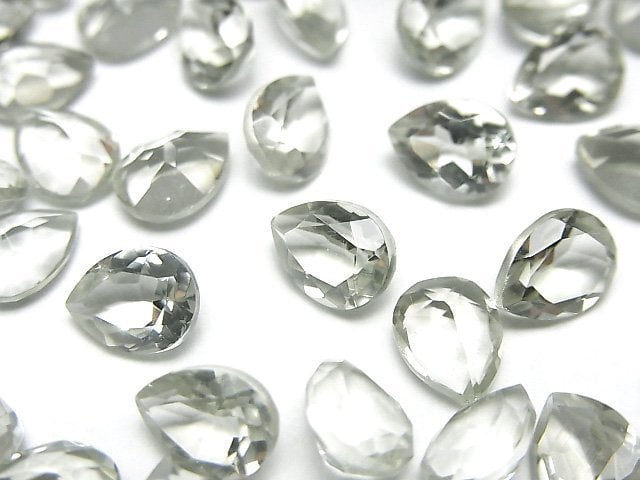
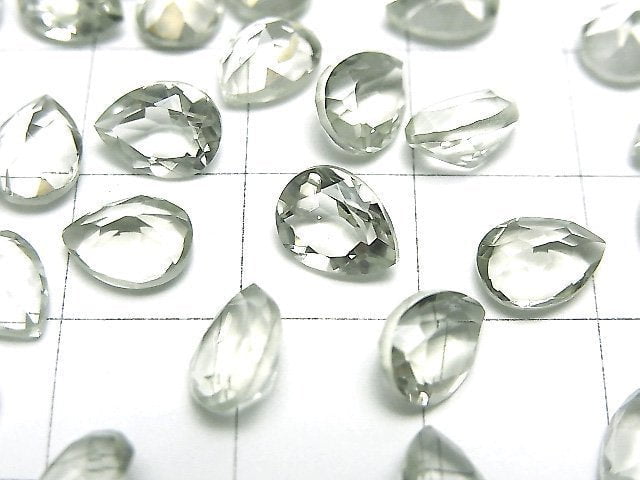
Green amethyst is also versatile across jewelry types. Faceted stones add sparkle to rings and earrings, while beads and briolettes are ideal for bracelets, necklaces, and delicate wire-wrapped designs. Light green amethyst is especially easy to style because it blends with both cool and warm metal tones.
For gift jewelry, green amethyst can represent growth in a relationship, emotional honesty, or the start of a new chapter, which makes it a thoughtful choice for milestones and spring collections.

How to Choose Green Amethyst for Jewelry Making
When choosing green amethyst for jewelry making, focus on color, clarity, cut, and consistency, and confirm the seller's treatment disclosure:
- Color: choose the shade that fits your design. Pale mint green looks soft and elegant, while deeper green stones create stronger contrast.
- Clarity: transparent stones show more sparkle in faceted cuts; translucent stones can still be lovely in beads and cabochons.
- Cut and polish: look for clean facets, smooth surfaces, and good symmetry.
- Size matching: for bracelets and necklaces, consistent bead size keeps the finished piece balanced.
- Drill holes: for beads, check that holes are clean and suitable for your cord, wire, or thread.
- Disclosure: confirm whether stones are heat-treated, irradiated, natural, or synthetic so you can describe your finished jewelry accurately.
- Project fit: rings need stones set in protective mountings, while pendants and earrings can feature more delicate cuts.
For designers selling in the U.S. and Canada, green amethyst is a strong choice for spring collections, minimalist jewelry, bridal accents, and nature-inspired gemstone pieces.
How to Cleanse, Charge, and Care for Green Amethyst
To physically clean green amethyst jewelry, use lukewarm water, mild soap, and a soft cloth. Rinse gently and dry the stone completely before storage. Avoid harsh chemicals, steam cleaning, ultrasonic cleaners, sudden temperature changes, and hard impacts.
Protect the color from heat and strong light. Because most green amethyst is heat-treated or irradiated, prolonged exposure to strong sunlight, some artificial light, or high heat can cause the green color to fade. Store it in a dark, padded jewelry box, keep it out of hot cars and away from heat sources, and remove the stone from its setting before any soldering or repair work.
For energetic cleansing, many crystal users place green amethyst near clear quartz, use sound cleansing, or set an intention during meditation. If you use sunlight or moonlight for this, keep the exposure brief to protect the color.
Store green amethyst separately from harder stones to prevent scratches, and keep rings or bracelets in a padded pouch or jewelry box when not in use.
Shop Green Amethyst for Jewelry Making at KenKenGems
KenKenGems offers green amethyst (prasiolite) for jewelry makers who want elegant color, useful shapes, and project-ready stones. Browse green amethyst beads, strands, half strands, faceted stones, loose stones, and pendants to create rings, earrings, bracelets, necklaces, and one-of-a-kind gemstone pieces.
Whether you prefer light green amethyst for subtle designs or richer green tones for statement jewelry, the collection includes shapes and cuts that fit both everyday accessories and special custom pieces. Use green amethyst on its own for a clean, modern look, or combine it with pearls, moonstone, citrine, smoky quartz, or gold findings for more contrast.
Explore the KenKenGems green amethyst collection and choose the stones that match your next handmade jewelry design.

Green Amethyst FAQ
Below are quick answers to common questions about green amethyst meaning, properties, naming, jewelry use, and care.
What is green amethyst?
Green amethyst is the common trade name for prasiolite, a green variety of quartz. It is valued for its pale to medium green color and is used in rings, pendants, earrings, beads, and other jewelry. Note that "green amethyst" is technically a misnomer; prasiolite is the correct name.
Is "green amethyst" the correct name?
No. Amethyst is by definition the purple variety of quartz, so "green amethyst" is considered an incorrect name (a misnomer). The FTC Jewelry Guides (16 CFR Part 23, 2018) cite it as a potentially misleading term. The correct gemological name is prasiolite, or simply green quartz.
What does green amethyst symbolize?
In crystal lore, green amethyst is traditionally associated with renewal, calm growth, compassion, and emotional balance. It is often chosen for jewelry that represents a fresh start or a more heart-centered way of living. These are traditional beliefs, not medical claims.
What are the properties of green amethyst?
Green amethyst is quartz with a Mohs hardness of 7, vitreous luster, and transparent to translucent clarity. Its color can range from light mint green to deeper leek green. It has no cleavage and breaks with a conchoidal fracture.
Is green amethyst natural?
Natural prasiolite is rare. Most green amethyst on the jewelry market is amethyst or quartz that has been heat-treated or, less often, irradiated to produce its green color. Some synthetic and dyed green quartz also exists. Clear disclosure from the seller is important.
Does green amethyst fade?
It can. Because most green amethyst is heat-treated or irradiated, prolonged strong sunlight or high heat may cause the green color to fade. Store it away from heat and strong light, and remove it before any jewelry repair that involves soldering.
What are the metaphysical properties of green amethyst?
Green amethyst metaphysical properties are traditionally connected with the heart chakra, emotional renewal, compassion, and calm clarity. These meanings come from crystal traditions rather than medical science.
Is green amethyst good for rings?
Yes. With a Mohs hardness of 7, green amethyst can be used in rings, especially when the setting protects the stone from hard knocks. Remove the ring during heavy work, sports, or cleaning.
How do you clean green amethyst?
Clean green amethyst with lukewarm water, mild soap, and a soft cloth. Avoid steam, ultrasonic cleaners, harsh chemicals, and long exposure to strong sunlight or heat.
What chakra is green amethyst associated with?
Green amethyst is traditionally associated with the heart chakra because of its green color and its symbolic connection with love, compassion, and emotional balance.
Green Amethyst Beads, Loose Stones, and Pendants
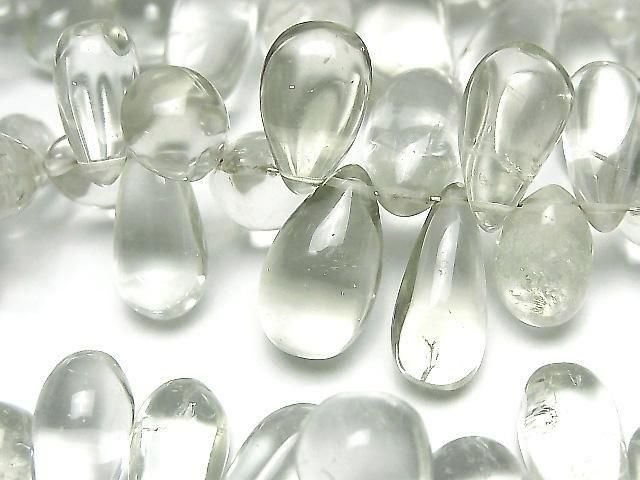
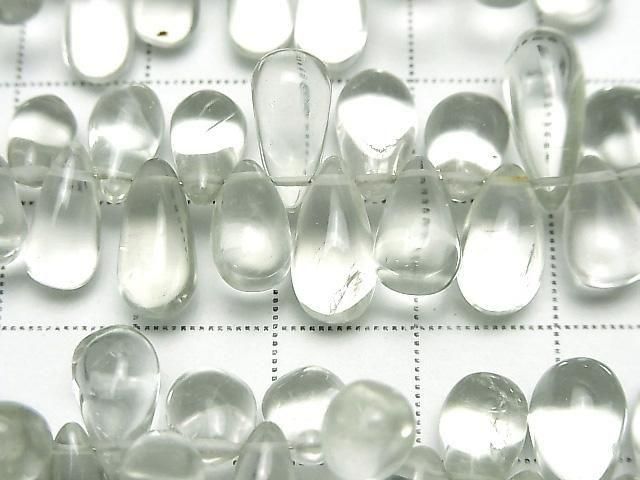
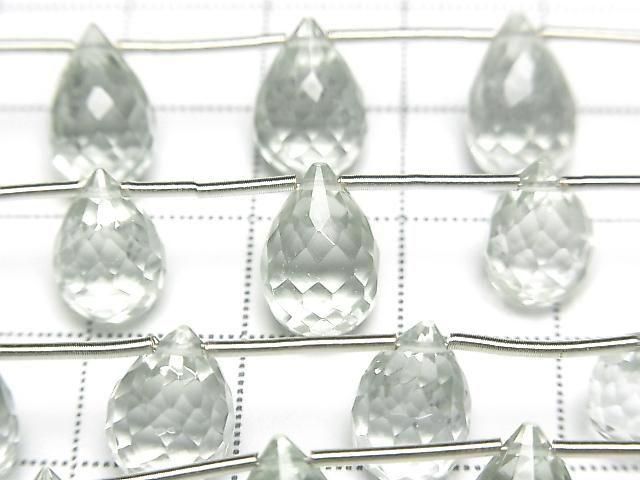
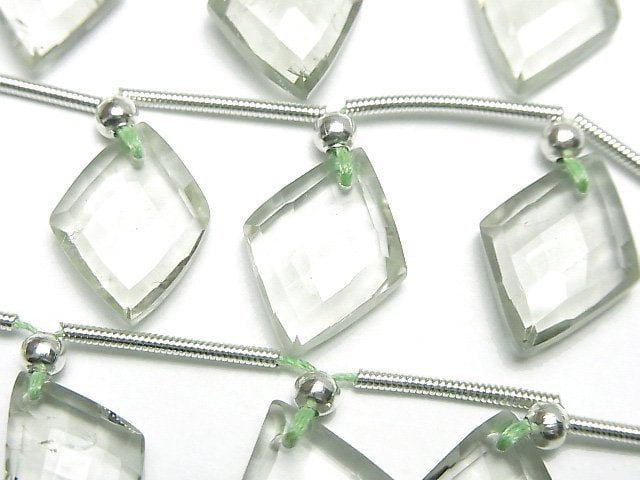
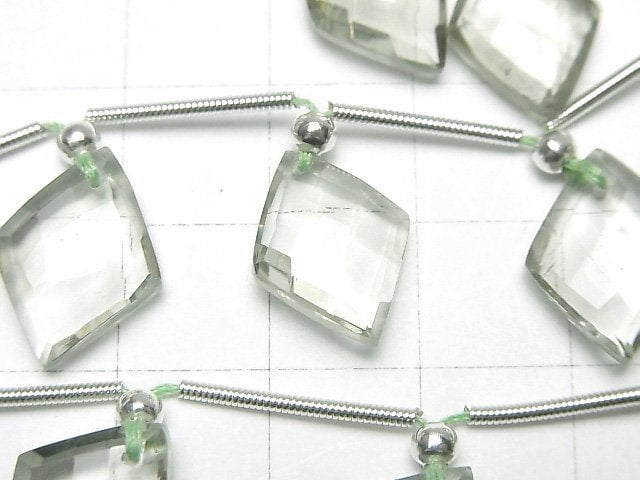
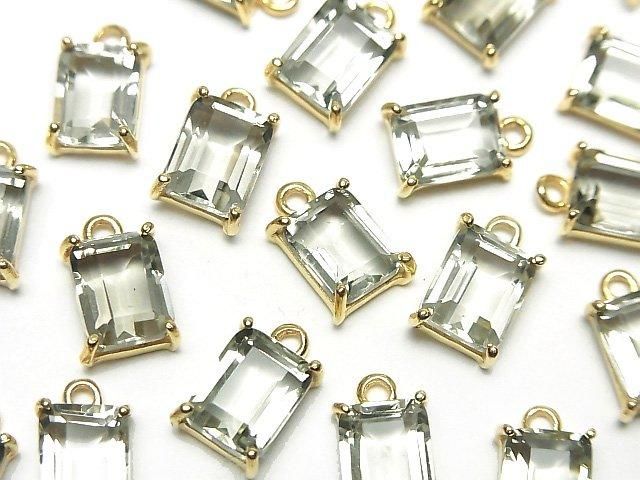
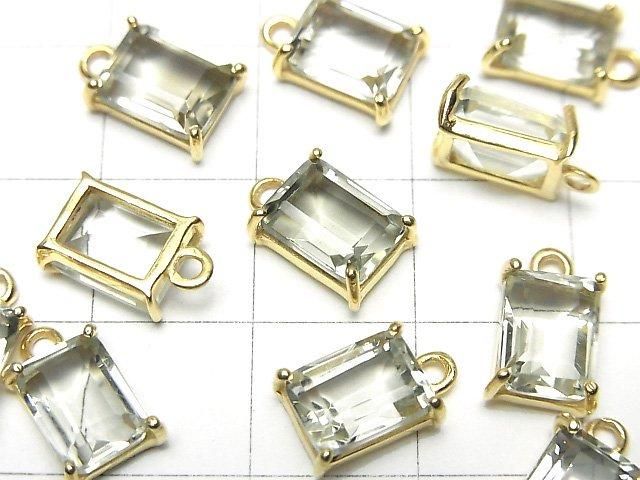
For beadwork and wire-wrapped jewelry, green amethyst offers a refined color that is easy to style. Use calibrated beads for clean bracelet layouts, faceted drops for earrings, and loose stones or pendants for focal pieces. If your design needs a soft green accent that still feels bright and polished, green amethyst is a dependable choice.

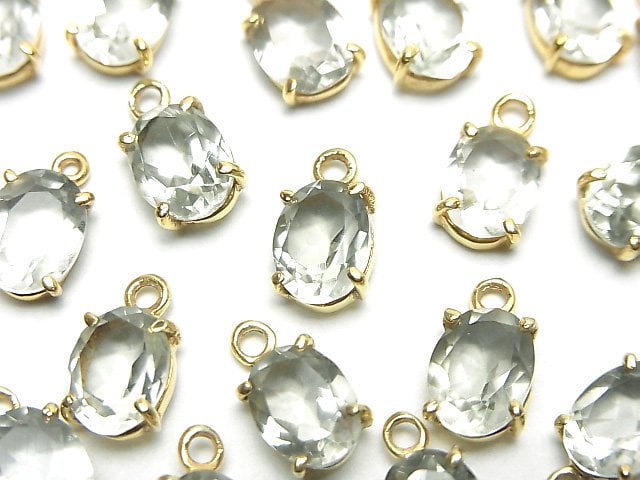
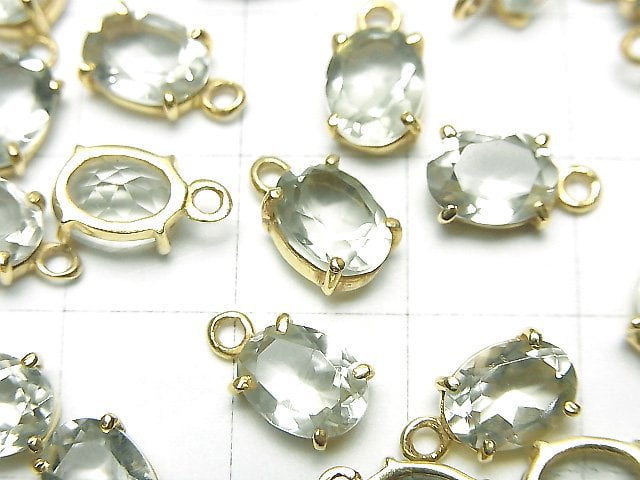
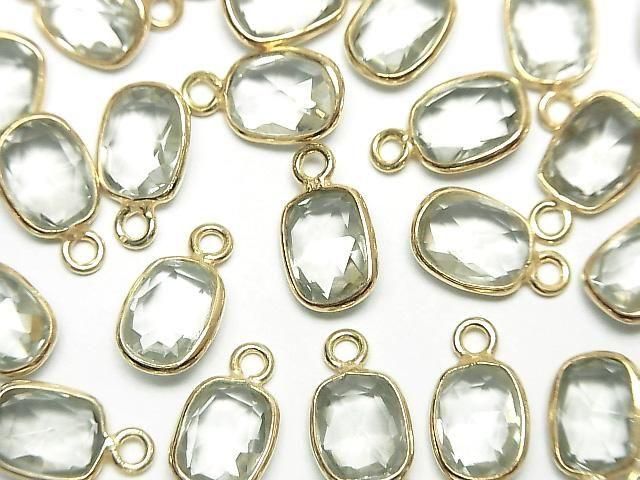


![Grüner Amethyst Rechteck facettiert 10x8mm [Doppel-Loch] 1Strang Perlen (9Stk)](http://store.kenkengems.com/cdn/shop/files/186145678.jpg?v=1745919246&width=640)
![Grüner Amethyst Rechteck facettiert 10x8mm [Doppel-Loch] 1Strang Perlen (9Stk)](http://store.kenkengems.com/cdn/shop/files/186145678_o1.jpg?v=1745919254&width=640)
![Hochwertiger grüner Amethyst AAA- oval facettiert 9x7mm [Doppel-Loch] Halbe oder 1 Strang Perlen (16 Stück)](http://store.kenkengems.com/cdn/shop/files/188609826.jpg?v=1766503011&width=640)
![Hochwertiger grüner Amethyst AAA- oval facettiert 9x7mm [Doppel-Loch] Halbe oder 1 Strang Perlen (16 Stück)](http://store.kenkengems.com/cdn/shop/files/188609826_o1.jpg?v=1766503007&width=640)