TOC
- 1. What Is Rutilated Quartz?
- 2. History and Meaning of Rutilated Quartz
- 3. Physical and Chemical Properties
- 4. Types and Varieties of Rutilated Quartz
- 5. Rutile vs Rutilated Quartz
- 6. Rutilated Quartz Value and Quality
- 7. How to Tell Real Rutilated Quartz
- 8. Rutilated Quartz Meaning and Symbolism
- 9. How to Care for Rutilated Quartz
- 10. Rutilated Quartz FAQ
- 10-1. What is rutilated quartz?
- 10-2. What does rutilated quartz mean?
- 10-3. Is rutile the same as rutilated quartz?
- 10-4. Is rutilated quartz valuable?
- 10-5. What is the difference between gold, black, and smoky rutilated quartz?
- 10-6. How can you tell real rutilated quartz?
- 10-7. How do I care for rutilated quartz?
- 11. Buying Rutilated Quartz from KenKenGems

What Is Rutilated Quartz?
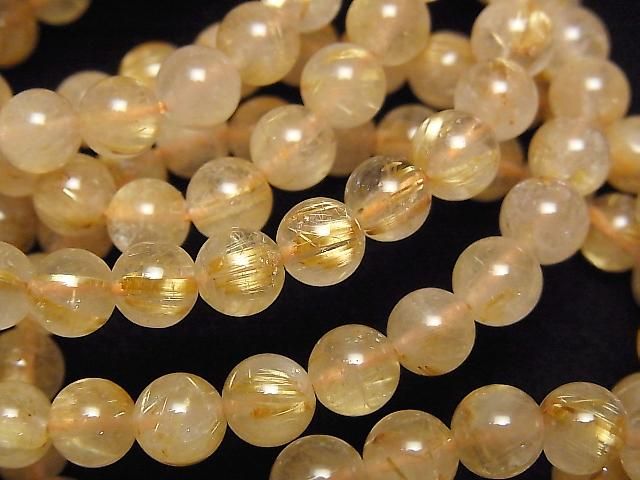
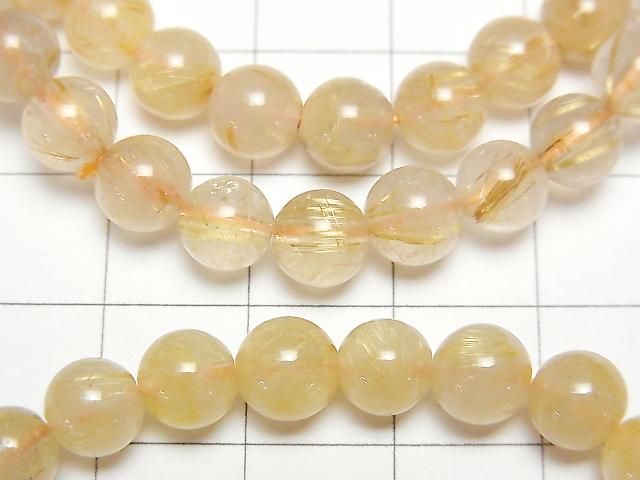
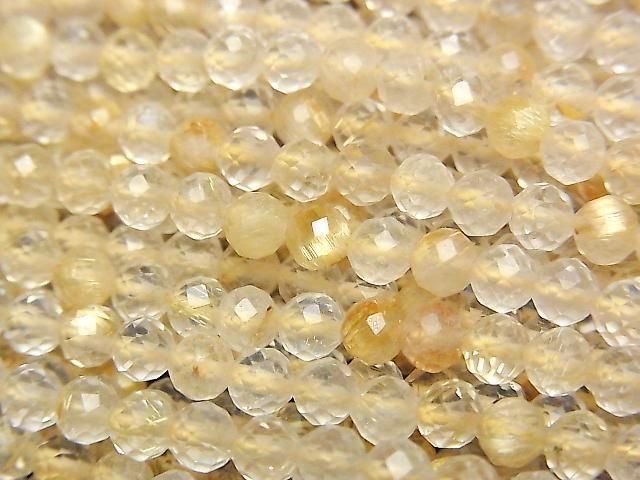
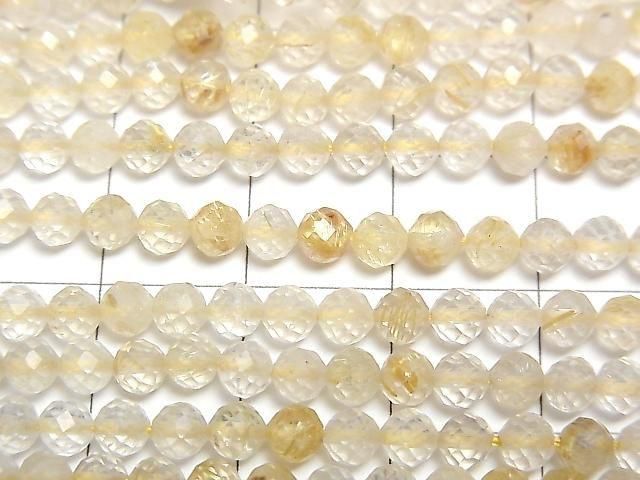
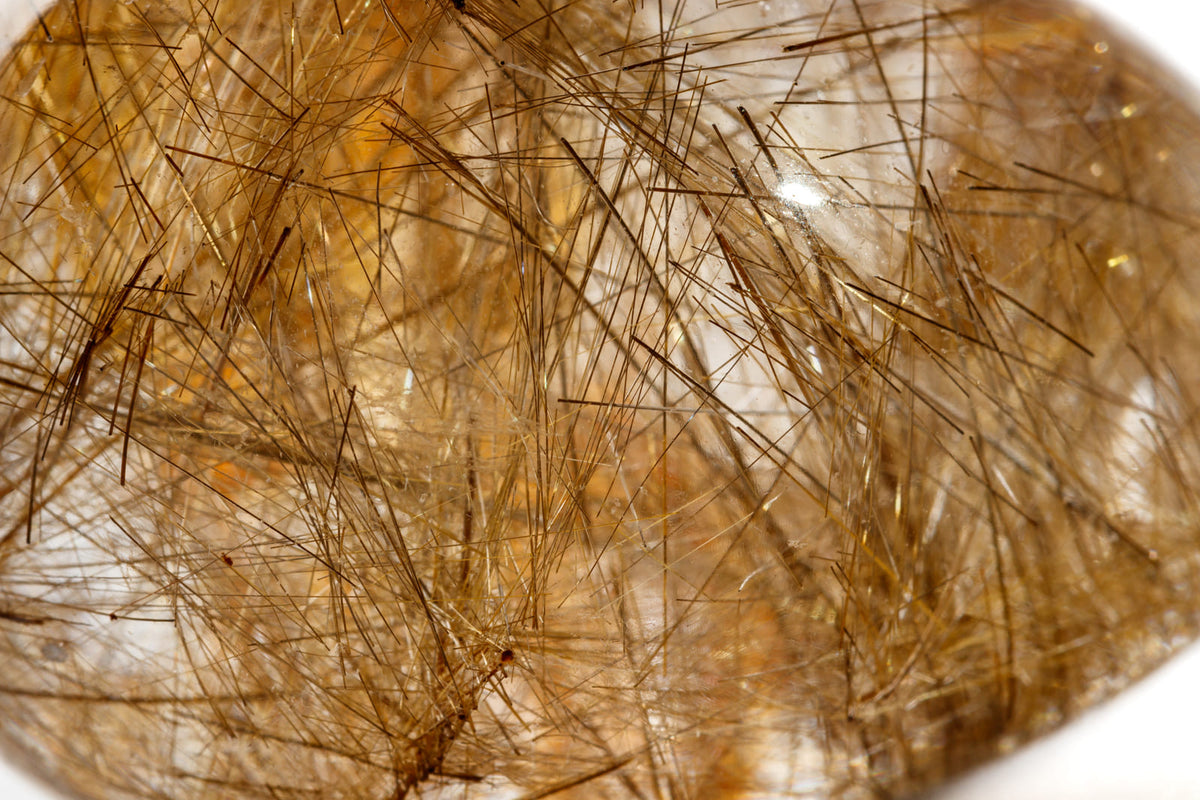
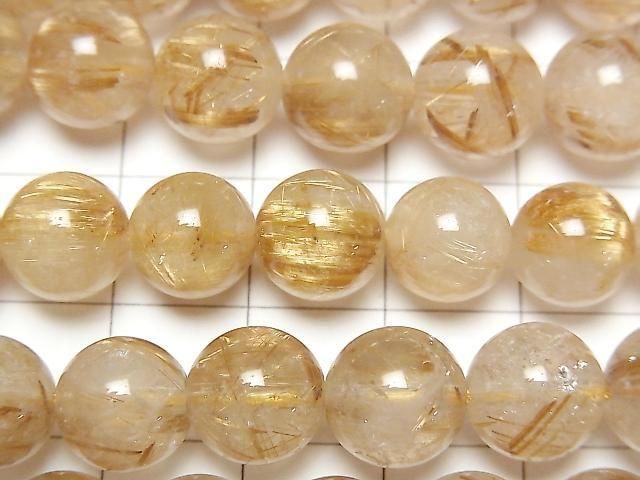
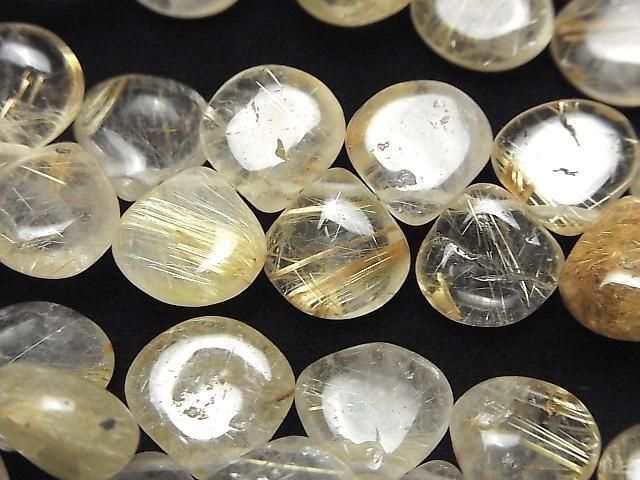
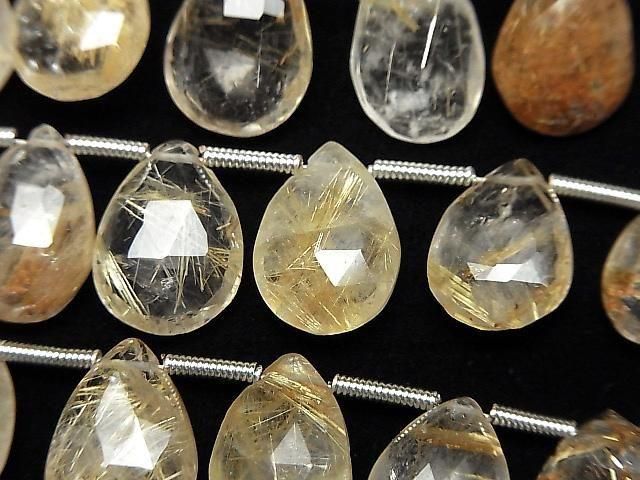
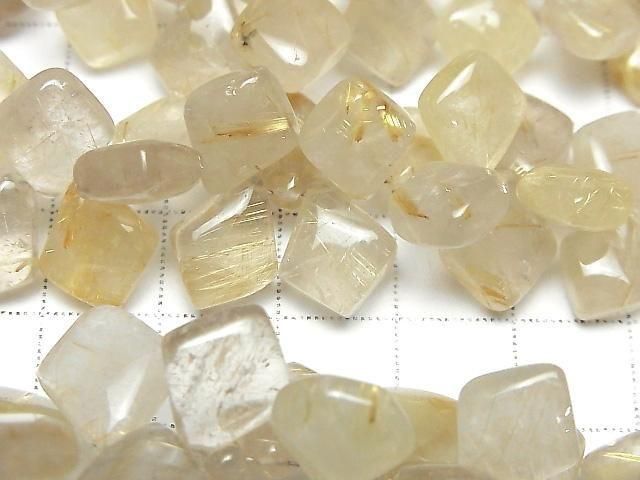
Every gemstone is unique, but if there were a contest for individuality, rutilated quartz would be a strong contender. It is transparent quartz that encloses slender needles of rutile — a titanium dioxide mineral — arranged as rays, stars, and bold golden threads. Because the needles grow at random, each stone displays a one-of-a-kind pattern, which is exactly why collectors and jewelers love it.

History and Meaning of Rutilated Quartz
Rutilated quartz was admired in antiquity. The ancient Romans called it the Hair of Venus and the Greeks the Hair of Aphrodite, imagining the golden threads as a goddess's lost lock of hair frozen forever in clear stone. Even the Vikings prized it, seeing it as a gift from Freya, the goddess of beauty and love. In parts of the Middle East, dark-included stones were called "Ali's Beard."
The stone carries many poetic nicknames — Cupid's Darts, Arrows of Love (Fléches d'Amour), Angel Hair, and more. Its formal name is descriptive: "rutile" comes from the Latin "rutilus" (reddish), for the color of many of its needles, combined with "quartz." In crystal lore these names all point to the same theme — love, connection, and light captured inside stone.

Physical and Chemical Properties
Rutilated quartz is rock crystal — predominantly silicon dioxide (SiO2) — permeated with inclusions of rutile (titanium dioxide, TiO2). Those needles create the fine hair- and ray-like patterns that define the stone; some specimens show stars or triangular arrangements. The needles are most often golden or golden-red, but black is common too, and green, gray, brown, and red threads can occur where the inclusions are minerals such as goethite, actinolite, tourmaline, or hornblende rather than rutile.
| Property | Detail |
|---|---|
| Host mineral | Quartz (rock crystal), SiO2 |
| Inclusions | Rutile needles (TiO2); sometimes goethite, actinolite, tourmaline |
| Mohs hardness | 7 (quartz host) |
| Specific gravity | ~2.6 – 2.65 |
| Luster | Vitreous (glassy); needles can look almost metallic |
| Transparency | Transparent to translucent (also in smoky or rose quartz) |
| Colors | Clear/smoky host with gold, red, black, or mixed needles |
The quartz host is a hard 7 on the Mohs scale. Because quartz is softer than rutile, large stones sometimes show surface features where the harder needles reach the surface, so cutters position the rutile carefully for both beauty and durability.

Types and Varieties of Rutilated Quartz
No two pieces of rutilated quartz are identical, but several looks are recognized as distinct varieties. The most commercially important distinction is the color of the needles and the host:
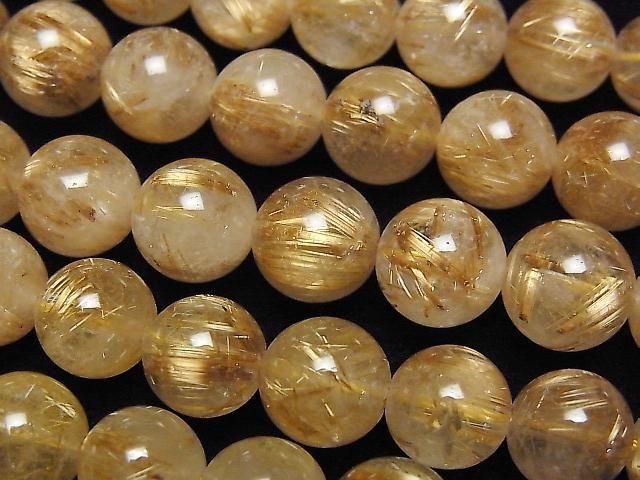
- Gold rutilated quartz: clear quartz with golden needles — the classic, most in-demand look
- Black rutilated quartz (Cupid's Darts): clear quartz with dark needles for high contrast
- Smoky rutilated quartz: gold or red needles within gray-to-brown smoky quartz
- Star rutile quartz: needles forming a golden six-rayed star
- Sagenite: needles arranged in sharp-angled, geometric patterns
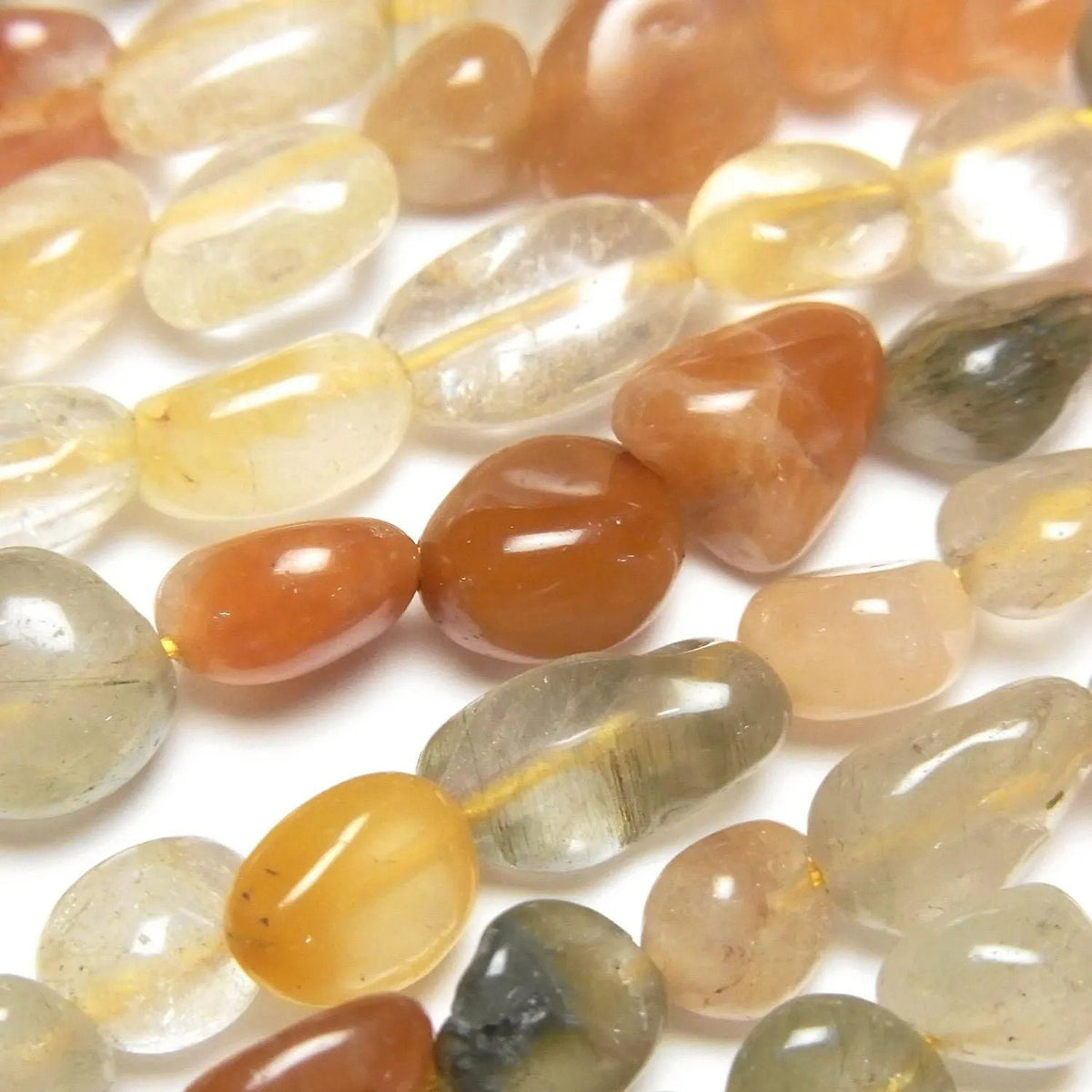
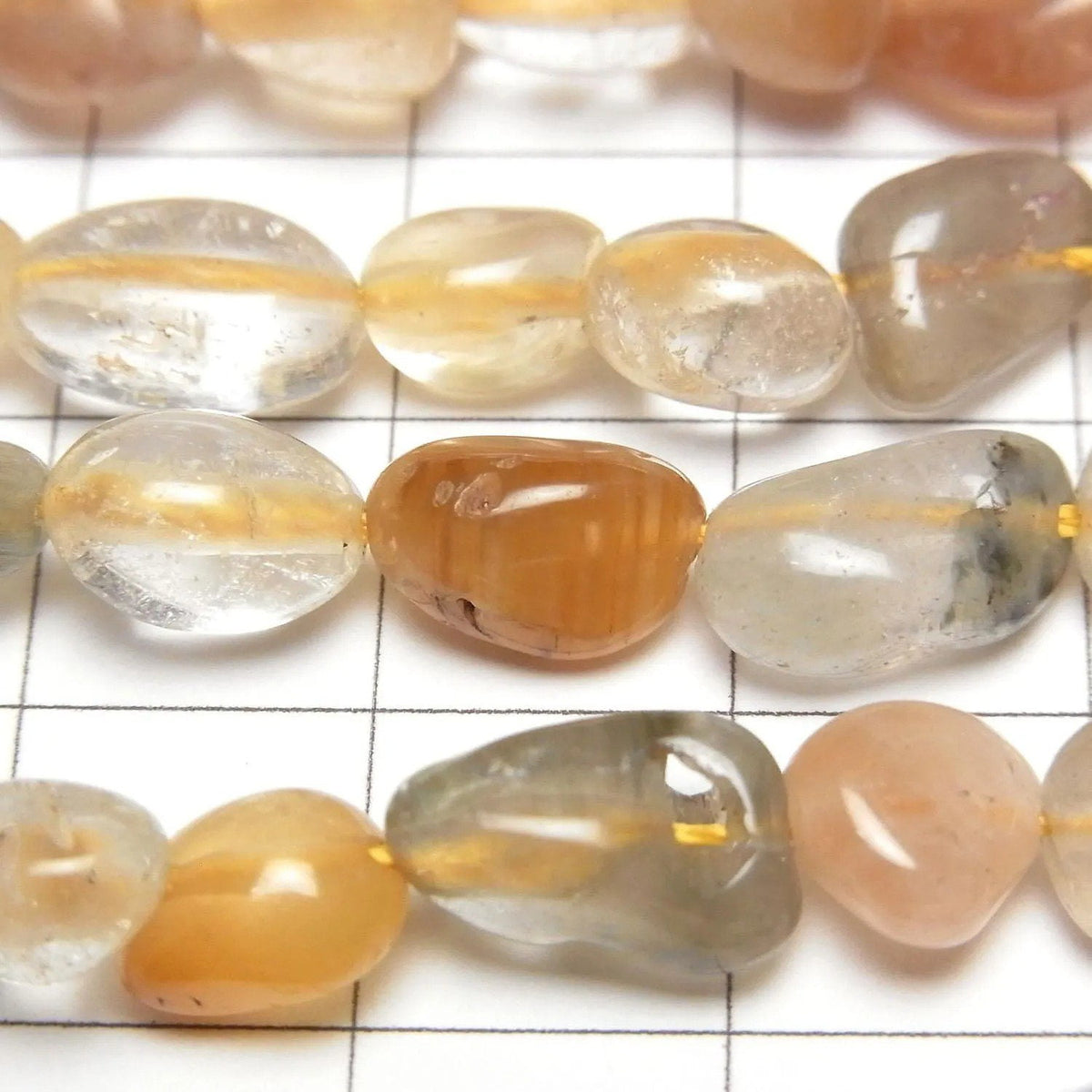
- Multicolored rutilated quartz: rarer stones with yellow, red, and green inclusions
- Kola rutilated quartz: translucent spotted stone with green or black hairs from the Kola Peninsula, Russia

Rutile vs Rutilated Quartz
It is easy to confuse the two terms. Rutile is a mineral in its own right — titanium dioxide (TiO2) — and is a major ore of titanium. Rutilated quartz is not rutile; it is quartz that happens to contain rutile needles as inclusions. So when you buy "rutilated quartz," you are buying a quartz stone (hardness 7) decorated by rutile threads inside it, not a piece of solid rutile. This distinction also explains the stone's durability: it wears like quartz, because quartz is the host.
Rutilated Quartz Value and Quality
Rutilated quartz is affordable, with value set by the quality of the rutile "picture" as much as the quartz itself. The factors that raise value are:
- Needle color: bright, uniform gold is the most prized; strong black-on-clear contrast is also popular
- Needle arrangement: attractive, well-defined rays, stars, or dense golden bundles command more
- Host clarity: a clean, transparent host that shows the needles clearly is preferred
- Cut and size: well-oriented cabochons and larger clean stones cost more
As a rough guide, tumbled pieces and bead strands often run about USD $5–$40, while fine cabochons and larger stones with vivid, well-placed gold needles command higher prices. Treat any figure as general guidance rather than a fixed quote.

How to Tell Real Rutilated Quartz
Genuine rutilated quartz shows needles that look natural and irregular — varying in length, thickness, and direction, and clearly suspended inside the stone at different depths. Glass or plastic imitations tend to have "needles" that look too uniform or perfectly aligned, and may contain round gas bubbles, which natural rutile does not. Because each real stone is unique, "perfect," repeating patterns are a warning sign. Buy from sellers who disclose whether material is natural quartz or a synthetic/imitation, and for an important purchase, ask a gemologist to confirm the inclusions are true rutile.
Rutilated Quartz Meaning and Symbolism
In crystal lore, rutilated quartz is associated with light, energy, and connection — its golden threads inspiring ideas of illumination and creative spark. Followers of these traditions see it as a stone of positivity that supports focus, confidence, and relationships.
- Traditionally associated with light, energy, and creative inspiration
- In crystal lore, believed to support focus, confidence, and connection
- Historically valued as a protective talisman in folklore
- Often chosen simply for its dramatic golden-needle beauty
These are cultural and spiritual beliefs, not medical facts. Rutilated quartz is not a medicine and does not diagnose, treat, cure, or prevent any illness, and it is no substitute for professional care. These are traditional beliefs, not medical claims.

How to Care for Rutilated Quartz
Rutilated quartz is durable enough for everyday jewelry but still benefits from sensible care.
- Clean with warm water, mild soap, and a soft brush; rinse and dry well
- Avoid sharp knocks, since quartz can chip and needles near the surface are more delicate
- Ultrasonic cleaners are usually safe for clean stones, but avoid them for heavily included pieces
- Keep away from prolonged intense heat and harsh chemicals
- Store separately from harder gems to prevent scratches
Rutilated Quartz FAQ
Quick answers to the questions people most often ask about rutilated quartz.
What is rutilated quartz?
Rutilated quartz is transparent quartz containing needle-like inclusions of rutile (titanium dioxide). The needles form golden, red, or black patterns, and every stone is unique.
What does rutilated quartz mean?
In crystal lore it is associated with light, energy, creativity, and connection. These are traditional beliefs, not medical claims.
Is rutile the same as rutilated quartz?
No. Rutile is the mineral titanium dioxide; rutilated quartz is quartz that contains rutile needles inside it, so it wears like quartz.
Is rutilated quartz valuable?
It is generally affordable. Value rises with bright, well-arranged gold needles, a clean transparent host, and good cutting.
What is the difference between gold, black, and smoky rutilated quartz?
Gold has golden needles in clear quartz, black has dark high-contrast needles, and smoky has needles set within gray-to-brown smoky quartz.
How can you tell real rutilated quartz?
Real needles look irregular and are suspended at different depths, while imitations often have uniform "needles" or round gas bubbles. A gemologist can confirm true rutile.
How do I care for rutilated quartz?
Clean it with warm soapy water and a soft brush, avoid sharp knocks and harsh chemicals, and store it apart from harder gems.
Buying Rutilated Quartz from KenKenGems
When choosing rutilated quartz, decide on the look you want — classic gold needles, high-contrast black, or gold-in-smoky — and check the host clarity and how the needles are arranged. KenKenGems offers rutilated quartz as loose stones, strands, one-of-a-kind gems, faceted stones, and cabochons, described honestly by type and quality so you know exactly what you are getting. Browse our collection to find beads and cabochons for your next jewelry project.


![[Einzigartig] Rutilquarz AA++ Rund 12mm Armband NO.6](http://store.kenkengems.com/cdn/shop/files/191739949.jpg?v=1779177132&width=640)
![[Einzigartig] Rutilquarz AA++ Rund 12mm Armband NO.6](http://store.kenkengems.com/cdn/shop/files/191739949_o1.jpg?v=1779177114&width=640)
![[Einzigartig] Garten-Rutilquarz loser Stein 1 Stück NO.11](http://store.kenkengems.com/cdn/shop/files/190583961.jpg?v=1772531739&width=640)
![[Einzigartig] Garten-Rutilquarz loser Stein 1 Stück NO.11](http://store.kenkengems.com/cdn/shop/files/190583961_o1.jpg?v=1772531726&width=640)
![[Einzigartig] Platin Rutilquarz AAA- Rund 7mm Armband NO.5](http://store.kenkengems.com/cdn/shop/files/191564277.jpg?v=1779178270&width=640)
![[Einzigartig] Platin Rutilquarz AAA- Rund 7mm Armband NO.5](http://store.kenkengems.com/cdn/shop/files/191564277_o1.jpg?v=1779178252&width=640)


![[Einzigartig] Garten-Rutilquarz loser Stein 1 Stück NO.17](http://store.kenkengems.com/cdn/shop/files/190583968.jpg?v=1772531590&width=640)
![[Einzigartig] Garten-Rutilquarz loser Stein 1 Stück NO.17](http://store.kenkengems.com/cdn/shop/files/190583968_o1.jpg?v=1772531573&width=640)

![[Einzigartig] Rutilierter Quarz AAAA Rund 10,5 mm Armband, Nr. 507](http://store.kenkengems.com/cdn/shop/files/189351890.jpg?v=1768888192&width=640)
![[Einzigartig] Rutilierter Quarz AAAA Rund 10,5 mm Armband, Nr. 507](http://store.kenkengems.com/cdn/shop/files/189351890_o1.jpg?v=1768888177&width=640)