
TOC
- 1. What Is Hackmanite?
- 2. Hackmanite History & Meaning
- 3. Hackmanite Properties
- 4. Tenebrescence & Fluorescence: The Color-Change Effect
- 5. Hackmanite Colors & Value
- 6. Hackmanite Care & How to Identify
- 7. Hackmanite Meaning & Symbolism
- 8. Hackmanite FAQ
- 8-1. Does hackmanite really change color?
- 8-2. Is hackmanite treated?
- 8-3. Is hackmanite rare?
- 8-4. Can hackmanite get wet?
- 9. Shop Hackmanite at KenKenGems

What Is Hackmanite?
Hackmanite is a rare, sulfur-bearing variety of sodalite, a mineral in the feldspathoid group. What makes it famous is a striking optical trick: many hackmanites change or deepen their color when exposed to sunlight or UV light, then slowly fade back in the dark. This reversible color change is called tenebrescence, and it is the reason collectors and jewelry designers seek the stone out.
In everyday terms, hackmanite is often creamy white, pale gray, or lavender when you first see it, and it can shift to a vivid violet or pink after time in the sun. Because it is a distinct variety of sodalite rather than a separate mineral species, it shares sodalite’s chemistry and structure while adding this rare color-changing behavior. It is a relatively soft gem, so it rewards a little extra care.

Hackmanite History & Meaning
Hackmanite is a young gem by mineralogical standards. The first specimens were described from Greenland in 1896, during an expedition associated with the geologist L.C. Börgstrom. The mineral was later named in honor of another geologist, Victor Axel Hackman, a professor at the University of Helsinki in Finland who contributed to its study.
For more than a century, hackmanite remained largely a collector’s curiosity. That changed in 1991, when gem-quality transparent hackmanite was found at the Poudrette quarry at Mont Saint-Hilaire, Quebec, Canada. Today, attractive material also comes from Myanmar, Afghanistan, and Pakistan. Collectors and designers prize it for its unusual color-change behavior more than for any single classic color.
In crystal lore, hackmanite is often associated with transformation and self-reflection – fittingly, given a stone that visibly changes with the light. These are traditional associations rather than statements of fact.

Hackmanite Properties
Hackmanite is a variety of sodalite, so its core properties follow sodalite’s. It is a relatively soft stone – 5.5 to 6 on the Mohs scale – which means it can scratch or chip more easily than harder gems and is best set in earrings, pendants, or brooches rather than everyday rings. Most material is opaque with white calcite streaks; the rarest is transparent to translucent. Learn how we grade our material on our quality guide.
| Property | Detail |
|---|---|
| Species | Sulfur-bearing variety of sodalite (feldspathoid group) |
| Chemical composition | Na8Al6Si6O24(Cl,S)2 |
| Crystal system | Cubic (isometric) |
| Mohs hardness | 5.5–6 (relatively soft – handle with care) |
| Luster | Vitreous; fracture can appear greasy |
| Transparency | Usually opaque; gem-quality material is transparent to translucent |
| Optical effect | Tenebrescence (reversible color change) and frequent orange fluorescence under UV |
| Main sources | Afghanistan, Myanmar, Mont Saint-Hilaire (Quebec, Canada), Greenland, Pakistan |
Tenebrescence & Fluorescence: The Color-Change Effect
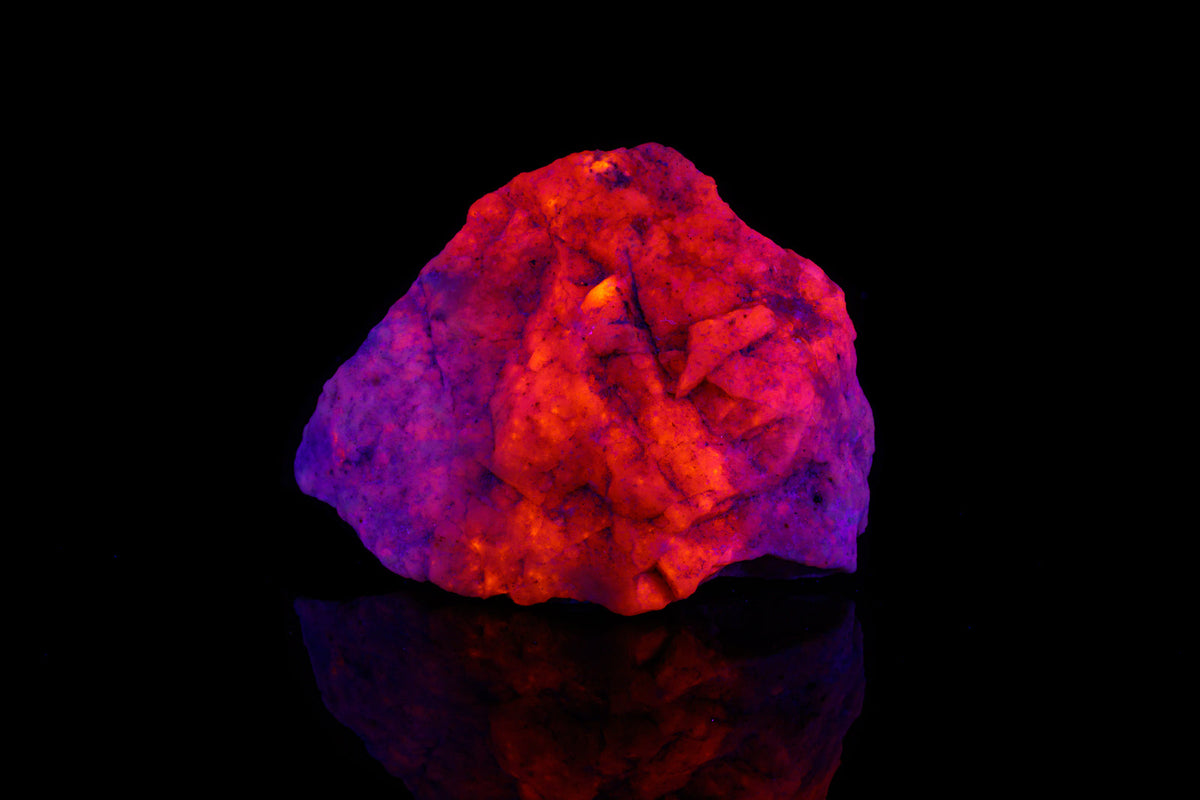
Tenebrescence is hackmanite’s signature trait – a reversible, light-driven color change also called photochromism. Freshly mined stones from Afghanistan and Myanmar are often colorless, creamy white, pale purple, or gray-violet. After a few minutes under sunlight or a UV lamp, many of them shift to a vivid blue-violet or pink. Move the stone back into the dark and the color slowly fades, taking anywhere from about fifteen minutes to several hours depending on the specimen. You can repeat the cycle indefinitely.
On top of that, many hackmanites are fluorescent: under long-wave UV (365 nm) they can glow a strong orange. Not every stone changes to a saturated purple – some shift only to grayish or greenish-white tones – so the strength of the effect is part of what determines value. Researchers link the behavior to trace impurities such as sulfur together with elements like titanium, iron, and potassium.
Why this matters for treatment: high heat can permanently remove tenebrescence. For that reason, gem hackmanite is generally not treated – heating it would destroy the very effect that makes it desirable – so material on the market is typically natural and untreated. Always confirm treatment status with your seller when buying.

Hackmanite Colors & Value
Hackmanite value tracks transparency, color-change strength, and origin. Opaque cabochons and beads are the most affordable, while transparent, strongly color-changing stones are rare and command far more. The figures below are approximate market ranges in US dollars and vary with quality, size, and availability.
- Opaque cabochons and beads (Greenland, Afghanistan, Myanmar): roughly $5–$50 per carat.
- High-quality transparent stones (Afghan origin): roughly $500–$700 per carat.
- Transparent pink hackmanite from Mont Saint-Hilaire: roughly $2,000–$2,500 per carat, reflecting how little material that near-depleted deposit produces.
Visible inclusions, cloudiness, or weak color change lower the price. Because the transparent Mont Saint-Hilaire pink is so scarce, it sits at the top of the market and is largely a collector’s stone.

Hackmanite Care & How to Identify
Because hackmanite is soft (Mohs 5.5–6), treat it gently. Store it separately so harder gems cannot scratch it, and take rings or bracelets off during rough work. To clean it, use lukewarm water and a soft cloth; a quick rinse is fine, but avoid prolonged soaking, harsh chemicals, and ultrasonic or steam cleaners. Keep it away from prolonged heat, which can weaken or remove its color-change effect.
To identify genuine hackmanite, look for the behavior only it shows: place the stone in the dark, note its color, then bring it into strong sunlight or under a UV lamp for a few minutes. A real tenebrescent hackmanite will visibly shift and then reverse in the dark, and many glow orange under long-wave UV. A stone that never changes, or one with suspiciously uniform dyed-looking color, may be ordinary sodalite or an imitation. When in doubt, ask the seller for the mineral identity and treatment status in writing.
Hackmanite Meaning & Symbolism
These are traditional beliefs, not medical claims. Hackmanite is not medicine and cannot diagnose, treat, cure, or prevent any illness; consult a qualified professional for any health concern.
In crystal lore, hackmanite is a stone of transformation and self-awareness – a natural fit for a gem that changes with the light. It is traditionally believed to encourage inner balance, personal growth, and a sense of calm, and to help people release repetitive or intrusive thoughts. Many people simply enjoy it as a meaningful, conversation-starting stone.
Hackmanite is not a traditional birthstone, so in astrology it is often considered suitable for anyone, with Sagittarius sometimes named as a favored sign. In chakra tradition it is usually linked with the throat and third-eye centers. All of these associations come from folklore and personal practice, not from science.

Hackmanite FAQ
Does hackmanite really change color?
Yes. Many hackmanites are tenebrescent, meaning they reversibly change or deepen color under sunlight or UV light and then fade back in the dark. You can repeat the cycle over and over. The strength of the shift varies from stone to stone – some turn vivid violet or pink, while others change only slightly.
Is hackmanite treated?
Gem hackmanite is generally not treated. High heat can permanently remove its color-change effect, so heating would ruin what makes it valuable. As a result, most hackmanite on the market is natural and untreated, but it is always wise to confirm treatment status with your seller.
Is hackmanite rare?
Opaque hackmanite is available, but transparent, strongly color-changing material is rare. The transparent pink hackmanite from Mont Saint-Hilaire in Quebec is especially scarce and is prized mainly by collectors.
Can hackmanite get wet?
A brief rinse in lukewarm water is fine for cleaning. Because hackmanite is soft, avoid prolonged soaking, harsh chemicals, and ultrasonic or steam cleaners, and dry it with a soft cloth. It should be treated as a decorative gemstone, not used to prepare anything for drinking.
Shop Hackmanite at KenKenGems
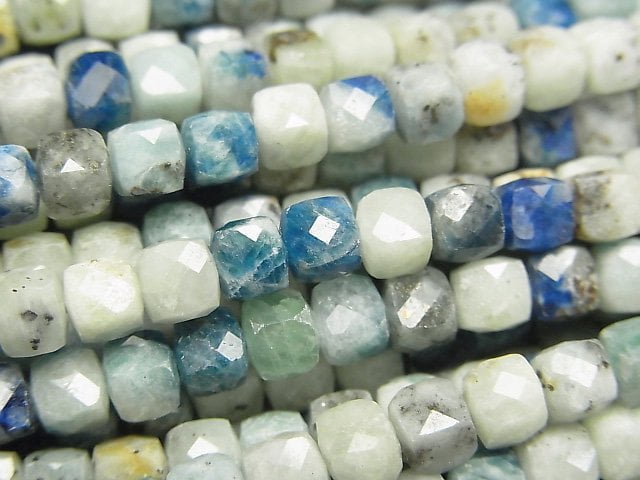
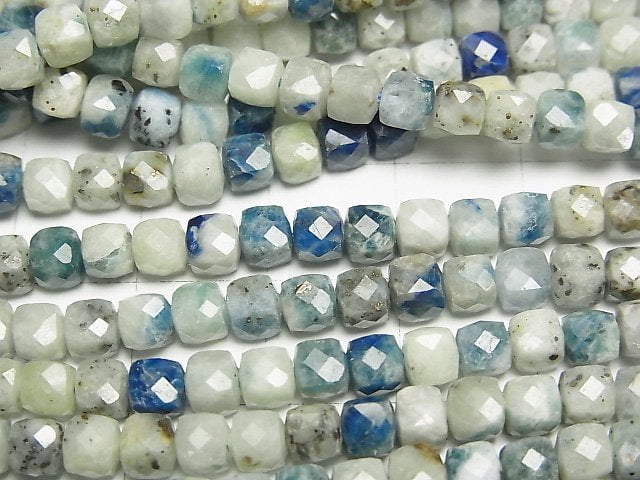
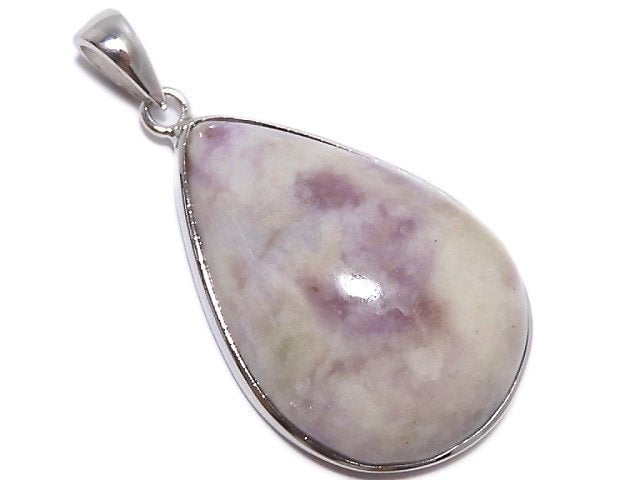
Our hackmanite collection features one-of-a-kind cabochons and beads chosen for their color-change effect. If you want a gemstone that looks different in daylight, under UV, and in the dark, hackmanite is hard to beat. Explore the current selection and add a genuine color-changing stone to your collection or your next jewelry project.


![[Einzigartig] Pakistan Hackmanit Anhänger Silber925 Nr.108](http://store.kenkengems.com/cdn/shop/files/180589027_o1_9f2154c4-2fda-4ece-a27c-aadc168ffae2.jpg?v=1721138473&width=640)

![[Einzigartig] Pakistan Hackmanit Rund 11mm Armband NO.212](http://store.kenkengems.com/cdn/shop/files/179046045_o1.jpg?v=1716384778&width=640)

![[Einzigartig] Pakistan Hackmanit Rund 8,5mm Armband Nr. 7](http://store.kenkengems.com/cdn/shop/files/157243435_o1.jpg?v=1723882496&width=640)
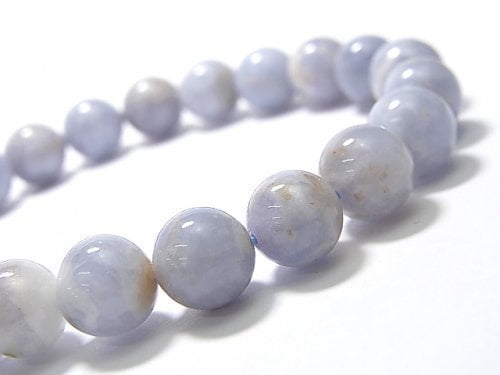
![[Einzigartig] Pakistan Hackmanit Rund 9mm Armband Nr. 12](http://store.kenkengems.com/cdn/shop/files/157243522_o1.jpg?v=1723882382&width=640)
![[Einzigartig] Hackmanit Rund 9mm Armband NO.107](http://store.kenkengems.com/cdn/shop/files/181615492.jpg?v=1726512186&width=640)
![[Einzigartig] Hackmanit Rund 9mm Armband NO.107](http://store.kenkengems.com/cdn/shop/files/181615492_o1.jpg?v=1726512181&width=640)
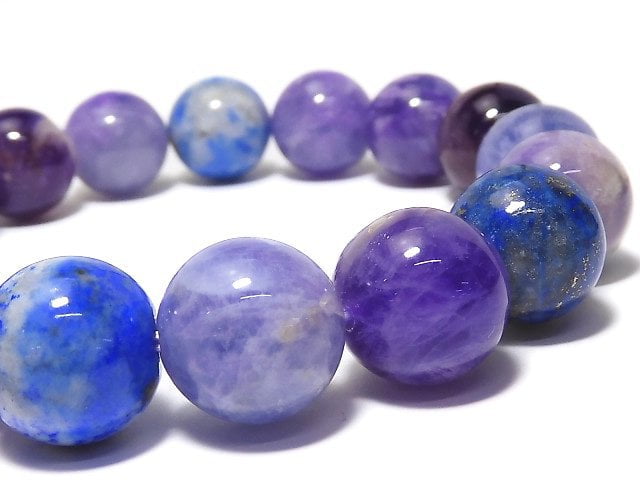
![[Einzigartig] Pakistanischer Hackmanit Runde 12mm Armband NO.207](http://store.kenkengems.com/cdn/shop/files/175418732_o1.jpg?v=1721494994&width=640)
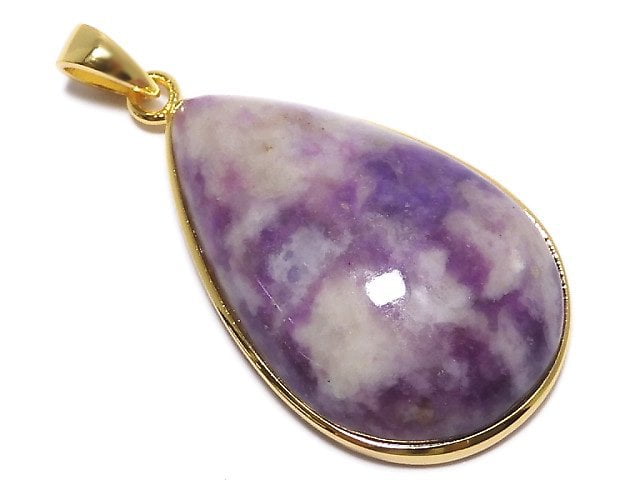
![[Einzigartig] Pakistan Hackmanit Anhänger 18KGP Nr.113](http://store.kenkengems.com/cdn/shop/files/180589036_o1_b071474b-c499-4236-8391-7ff35f5385ce.jpg?v=1716347811&width=640)
![[Einzigartig] Hackmanit Rund 11,5mm Armband Nr.123](http://store.kenkengems.com/cdn/shop/files/182085477.jpg?v=1726512559&width=640)
![[Einzigartig] Hackmanit Rund 11,5mm Armband Nr.123](http://store.kenkengems.com/cdn/shop/files/182085477_o1.jpg?v=1726512554&width=640)


![[Einzigartig] Pakistan Hackmanit Anhänger Silber925 Nr.110](http://store.kenkengems.com/cdn/shop/files/180589031_o1_5b1e9587-c18a-436d-8435-c399862eb89a.jpg?v=1721136649&width=640)

![[Einzigartig] Pakistan Hackmanit Anhänger 18KGP Nr.115](http://store.kenkengems.com/cdn/shop/files/180589038_o1_0130b48e-affa-4b9f-bb02-f669b7c04742.jpg?v=1716347836&width=640)


