
TOC
- 1. May Birthstone: Emerald
- 2. What Is an Emerald?
- 3. Emerald Quality & Value: The 4 Cs
- 4. Emerald Meaning & Symbolism
- 5. Treatment, Synthetic Emerald & How to Identify
- 6. How to Care for an Emerald
- 7. May Birthstone FAQ
- 7-1. What is the birthstone for May?
- 7-2. Why are emeralds green?
- 7-3. Are most emeralds treated?
- 7-4. Do inclusions mean an emerald is low quality?
- 7-5. How should I clean an emerald?
- 8. Shop May Birthstone Emeralds
products available in this collection.
Shop Now
May Birthstone: Emerald
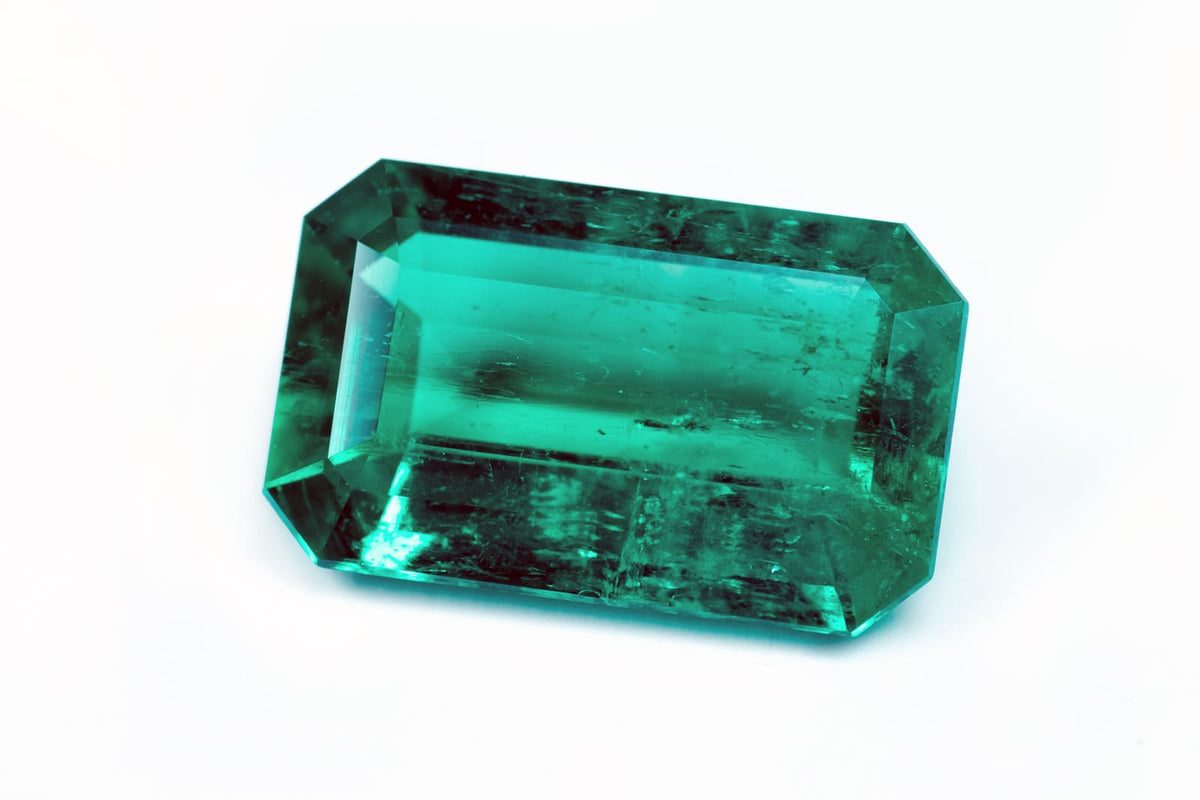
Emerald is the birthstone for May, and it is the traditional gift stone for those born under Taurus (April 20 to May 20) and Gemini (May 21 to June 20). Its lush green color has long been associated with spring, renewal, and new growth, which is part of why it suits the greenest month of the year so well.
In this guide we cover what emerald actually is, how its quality and value are judged, the meaning and symbolism people have attached to it over the centuries, and the practical facts every buyer should know, including how most emeralds are treated and how to care for them.

What Is an Emerald?
Emerald is the green variety of the mineral beryl (beryllium aluminum silicate, Be3Al2Si6O18). Pure beryl is colorless; emerald gets its signature green from trace amounts of chromium and, in some deposits, vanadium. Other colors of beryl form the same mineral family, including aquamarine and yellow heliodor.
On the Mohs scale emerald rates about 7.5 to 8, which is hard, but it is also brittle and typically contains many inclusions and surface-reaching fractures. That combination means emerald needs more careful handling than its hardness alone would suggest.
Emerald has been prized for thousands of years. According to historical accounts, Egyptian mines were worked long before Cleopatra, who is famously said to have treasured the stone. In South America, the Muzo people of the Colombian Andes worked well-hidden emerald deposits that later supplied Europe, and Colombian emeralds remain among the most sought-after in the world.

Emerald Quality & Value: The 4 Cs
Like other colored gemstones, emerald is judged on the 4 Cs: color, clarity, carat weight, and cut. Color usually has the biggest effect on value.
| The 4 Cs | What to look for |
|---|---|
| Color | The most important factor. The most prized emeralds show a vivid, saturated bluish-green to pure green in a medium to medium-dark tone. Pale, overly dark, or grayish stones are less valued. Emerald has no single universal color-grading scale. |
| Clarity | Most natural emeralds contain inclusions, often described as jardin ("garden" in French). Some inclusions are expected and normal; eye-clean natural emeralds are rarer and command higher prices. Clarity is usually assessed by eye rather than under magnification. |
| Carat | Larger emeralds of fine quality are scarce, so price per carat rises sharply with size. Two stones of equal weight can differ greatly in value depending on color and clarity. |
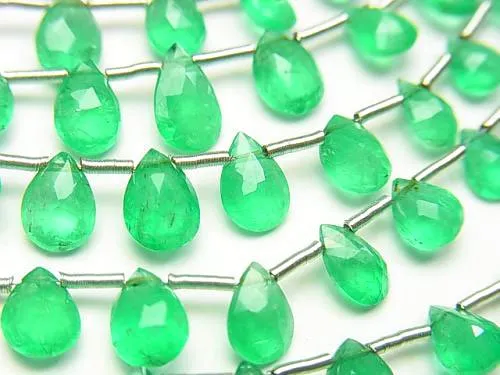
| Cut | A good cut balances color, brilliance, and yield while protecting the stone. The step-cut "emerald cut" was developed for this gem; ovals, pears, and cabochons are also common. |
A note on inclusions: because natural emeralds almost always contain some jardin, a stone that looks completely flawless yet is offered at a low price may be synthetic, glass, or another imitation rather than a bargain natural emerald. Visible inclusions are normal for natural emerald and are not, by themselves, a defect.
Emerald Meaning & Symbolism
These are traditional beliefs, not medical claims. Crystals are not medicine and cannot diagnose, treat, cure, or prevent any illness; consult a qualified professional for any health concern.
Across many cultures, emerald has been associated with love, rebirth, and the renewal of spring. The Romans linked the green stone to Venus, goddess of love, and the Greeks to Aphrodite, connecting it with beauty and abundance. In crystal lore, emerald is traditionally believed to symbolize loyalty, harmony, and hope, and it has long been given as a token of love and commitment.
One well-known historical legend holds that the Holy Grail, the cup said to have caught the blood of Christ, was carved from a single emerald. Stories like this reflect the esteem the stone has enjoyed through history; they are folklore, not statements of fact or of any health benefit.

Treatment, Synthetic Emerald & How to Identify
The vast majority of natural emeralds on the market are clarity-enhanced. Because emeralds so often reach the surface with fine fractures, they are commonly filled with cedarwood oil or, in some cases, resins to reduce the visibility of those fractures and improve appearance. This is an accepted and long-standing practice, but it should be disclosed.
- Treatment disclosure: Under FTC guidance, sellers should disclose that an emerald is treated and, where known, the degree of enhancement, commonly described as minor, moderate, or significant. The degree affects both value and care.
- Synthetic (lab-grown) emerald: Real emerald can be grown in a laboratory by flux-growth or hydrothermal methods (for example Chatham or Gilson). It has the same chemistry and color as natural emerald but forms in weeks, so it must be described as lab-grown, synthetic, or created, never simply as emerald.
- Imitations: Green glass, doublets (a thin slice of gem cemented to a backing), and dyed green beryl or other dyed stones can look like emerald but are not. A flawless, very inexpensive green stone should raise questions.
If you want certainty about whether a stone is natural, synthetic, and how it has been treated, ask for a report from an independent gemological laboratory. At KenKenGems we describe treatment and origin to the best of our knowledge so you know what you are buying.
How to Care for an Emerald
Emerald rewards gentle care. Because it is brittle, included, and usually oiled, some cleaning methods that are fine for harder gems can damage it or strip the oil that improves its look.
- Never use an ultrasonic or steam cleaner, and avoid harsh chemicals, heat, and sudden temperature changes, all of which can worsen fractures or remove oil.
- Clean with a soft cloth or a soft brush, lukewarm water, and a little mild soap, then rinse and dry gently.
- Store emerald separately from harder stones such as diamond or sapphire so it does not get scratched, and remove emerald jewelry before sports, cleaning, or heavy work.
- Over years, an oiled emerald may lose some oil and can be professionally re-oiled by a qualified jeweler if needed.
May Birthstone FAQ
What is the birthstone for May?
The birthstone for May is emerald, the vivid green variety of the mineral beryl. It is the traditional birthstone for people born in May and is associated with the zodiac signs Taurus and Gemini.
Why are emeralds green?
Emerald owes its green color to trace amounts of chromium and, in some deposits, vanadium within the beryl crystal. Without these trace elements the beryl would be colorless or another color.
Are most emeralds treated?
Yes. The large majority of natural emeralds are clarity-enhanced with cedarwood oil or resin to reduce the appearance of surface-reaching fractures. Reputable sellers disclose that a stone is treated and, when known, the degree of treatment.
Do inclusions mean an emerald is low quality?
Not necessarily. Most natural emeralds contain inclusions known as jardin, and they are normal for the gem. Eye-clean natural emeralds are rarer and more valuable, while a completely flawless yet cheap green stone may be synthetic or an imitation.
How should I clean an emerald?
Use a soft cloth or soft brush with lukewarm water and mild soap, then rinse and dry gently. Avoid ultrasonic and steam cleaners, harsh chemicals, and sudden temperature changes, which can harm an emerald.
Shop May Birthstone Emeralds
Fine emeralds are mined in several parts of the world, most notably Colombia, Zambia, and Brazil, each known for its own character of green. Our emerald collection includes faceted stones and cabochons, strands, and one-of-a-kind pieces in a range of colors and price points.
Whether you are shopping for yourself or for a Taurus or Gemini friend, an emerald makes a meaningful May birthstone gift. Browse our full emerald collection, and see our quality rank guide to understand how we grade our stones.

Source: https://www.gia.edu/emerald


