
TOC
- 1. January Birthstone
- 2. What Is Garnet?
- 3. Garnet Colors & Varieties
- 4. Garnet Properties & Value
- 5. Garnet Meaning & Symbolism
- 6. Care & How to Identify Garnet
- 7. January Birthstone FAQ
- 7-1. What is the January birthstone?
- 7-2. What does garnet symbolize?
- 7-3. What colors does garnet come from?
- 7-4. Is garnet treated?
- 7-5. How hard is garnet, and is it good for daily wear?
- 7-6. Who should wear the January birthstone?
- 8. Shop the January Birthstone at KenKenGems
products available in this collection.
Shop NowJanuary Birthstone
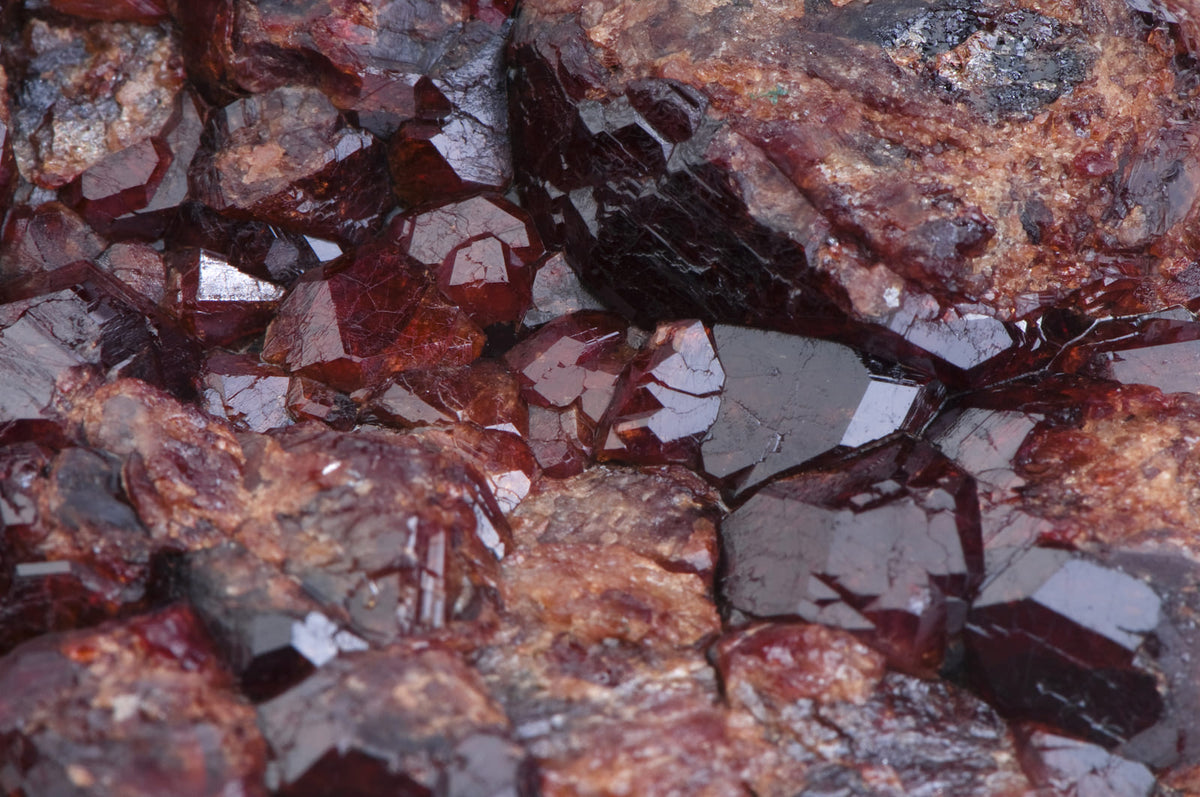
The January birthstone is garnet, a gemstone loved for its warm, glowing color during the coldest month of the year. If your birthday falls in January, garnet is your birthstone, and it also connects to the zodiac signs Capricorn and Aquarius.
Garnet has decorated jewelry for more than two thousand years, and it is still a favorite for rings, necklaces, and beaded designs today. What surprises many people is that garnet is not a single stone but a whole group of related minerals, so it appears in red, green, orange, and other colors.
This guide covers what garnet is, its colors and varieties, its properties and value, its traditional meaning, and how to care for and identify it. When you are ready to shop, you can browse the full garnet collection at KenKenGems.

What Is Garnet?
Garnet is the name of a group of closely related silicate minerals that share the same crystal structure but differ in chemical makeup. Because of those differences, garnets occur in many colors, not only the deep red most people picture.
The name comes from the Latin *granum*, meaning grain, a nod to the small, rounded red crystals that resemble the seeds of a pomegranate. According to folklore, ancient Greeks called the red stones *anthrax* (burning coal), and Romans knew them as carbuncles. Garnet-set jewelry has been found among the Greeks, Romans, Scythians, and Persians, and over the centuries the stone became a traditional symbol of friendship, love, and loyalty.
Garnet even appears in literature, such as Arthur Conan Doyle's story "The Adventure of the Blue Carbuncle," although a true blue carbuncle would be unusual, since blue garnet is very rare.

Garnet Colors & Varieties
Gemologists usually sort garnets into two broad series: the pyralspite garnets (aluminum-bearing) and the ugrandite garnets (calcium-bearing). The most familiar red gems are pyralspites, while several prized green and orange stones are ugrandites or grossulars. The table below summarizes the main species and varieties you are likely to meet.
| Species / Variety | Series | Typical Colors | Notes |
|---|---|---|---|
| Almandine | Pyralspite | Red, brownish red, violet-red | The most common gem garnet; durable and widely available. |
| Pyrope | Pyralspite | Deep red to purplish red | Bright, saturated reds; historically called "Bohemian garnet." |
| Spessartine | Pyralspite | Orange to red-orange | Vivid orange stones are marketed as "mandarin" garnet. |
| Rhodolite | Pyralspite blend | Purplish red to raspberry pink | A natural pyrope-almandine mix; popular for jewelry. |
| Tsavorite (grossular) | Ugrandite | Vivid green | Colored by chromium or vanadium; a sought-after green garnet. |
| Hessonite (grossular) | Ugrandite | Honey to cinnamon-orange | Often called "cinnamon stone." |
| Demantoid (andradite) | Ugrandite | Green to yellow-green | Known for high brilliance and fire; relatively scarce. |
| Uvarovite | Ugrandite | Emerald green | Usually forms small crystals, often in drusy clusters. |
Some garnets show optical effects such as color change (different hues in daylight versus incandescent light), a four- or six-rayed star (asterism), or a cat's-eye. These effects add interest and, when strong, can raise a stone's desirability.

Garnet Properties & Value
Garnet is a medium-hard gemstone, ranking about 6.5 to 7.5 on the Mohs scale. That makes it durable enough for everyday jewelry, though it is softer than sapphire or diamond, so it can be scratched by harder stones. Pyrope and almandine sit toward the top of that range.
One of garnet's genuine selling points is that most garnet reaching the market is untreated. Unlike many colored stones, the majority of garnet is enjoyed in its natural state, with no heating or dyeing to improve color. Because natural, untreated color is the norm, always ask a seller to disclose any treatment on a specific stone.
Value depends mainly on color, clarity, cut, and carat weight. Bright, evenly saturated color and good transparency command more than dark or heavily included material. Rarer varieties such as fine tsavorite and demantoid can be significantly more valuable than common red almandine.
- Natural garnet forms in the earth and is what you buy at KenKenGems.
- Synthetic material has the same makeup but is grown in a lab; true synthetic garnet is uncommon in the trade, though lab-grown YAG and GGG (both bearing the garnet name) are sold as diamond simulants.
- Simulants are unrelated materials, such as glass, colored to look like garnet; a reputable seller will identify them clearly.
For help comparing quality across our stock, see our quality rank guide.

Garnet Meaning & Symbolism
These are traditional beliefs, not medical claims. Crystals are not medicine and cannot diagnose, treat, cure, or prevent any illness; consult a qualified professional.
In crystal lore, garnet has long been regarded as a stone of friendship, loyalty, and safe travel. Because of its glowing red color, it was traditionally believed to represent warmth, energy, and enduring love, which is one reason it became a popular gift between close friends and partners.
Across many cultures, people have traditionally associated garnet with confidence, commitment, and a sense of grounding. As the January birthstone, it is often given to celebrate a new year, a fresh start, or a lasting bond. These are cultural and symbolic traditions rather than statements of any physical effect.
Care & How to Identify Garnet
Garnet is reasonably tough, but a little care keeps it looking its best.
- Clean garnet with warm water, mild soap, and a soft brush; rinse and dry well.
- Store pieces separately, or in soft pouches, so harder gems do not scratch the surface.
- Avoid harsh chemicals and sudden temperature changes, and keep ultrasonic cleaners for stones known to be free of fractures or inclusions.
A few simple checks help you recognize garnet, though only a gemologist can confirm identity. Garnet is singly refractive, so unlike many colored stones it does not show doubled facet edges. It is denser than glass and most common simulants, and natural stones often contain characteristic inclusions. When in doubt, ask for a report from a qualified lab or a trusted dealer.
January Birthstone FAQ
What is the January birthstone?
The January birthstone is garnet. Garnet is not a single mineral but a group of related gems, so it appears in red, green, orange, and other colors, with deep red being the most familiar.
What does garnet symbolize?
Garnet has traditionally been seen as a symbol of friendship, loyalty, and love. These are cultural and symbolic meanings, not medical claims; crystals are not medicine and cannot diagnose, treat, cure, or prevent any illness.
What colors does garnet come from?
Because garnet is a mineral group, it comes in many colors: red almandine and pyrope, orange spessartine, raspberry rhodolite, green tsavorite and demantoid, honey-orange hessonite, and emerald-green uvarovite.
Is garnet treated?
Most garnet on the market is untreated, which is one of its genuine appeals. Even so, ask any seller to disclose treatment on a specific stone before you buy.
How hard is garnet, and is it good for daily wear?
Garnet ranks about 6.5 to 7.5 on the Mohs scale. It is durable enough for everyday jewelry with reasonable care, though it should be stored away from harder gems that could scratch it.
Who should wear the January birthstone?
Garnet is the birthstone for anyone born in January and is linked to the zodiac signs Capricorn and Aquarius. It also makes a meaningful gift for a friend or partner regardless of birth month.
Shop the January Birthstone at KenKenGems
Whether you are looking for a birthday gift, a meaningful token for a friend, or a statement stone for your own handmade jewelry, garnet offers rich color and dependable durability. KenKenGems carries a wide selection of garnet in strands and loose stones, set pieces, and one-of-a-kind crystals.
Browse the full garnet collection to find the color, size, and cut that suits your project, and check our quality rank guide to compare grades with confidence.


