
TOC
- 1. February Birthstone: Amethyst
- 2. What Is Amethyst?
- 3. Amethyst Colors & Types
- 4. Amethyst Meaning & Symbolism
- 5. Treatment, Synthetic & How to Identify
- 6. Amethyst Care
- 7. February Birthstone FAQ
- 7-1. What is the birthstone for February?
- 7-2. What color is amethyst?
- 7-3. Is green amethyst real amethyst?
- 7-4. Is lab-grown amethyst real?
- 7-5. How hard is amethyst and can I wear it daily?
- 7-6. Does amethyst fade in sunlight?
- 8. Shop February Birthstone Amethyst at KenKenGems
products available in this collection.
Shop NowFebruary Birthstone: Amethyst
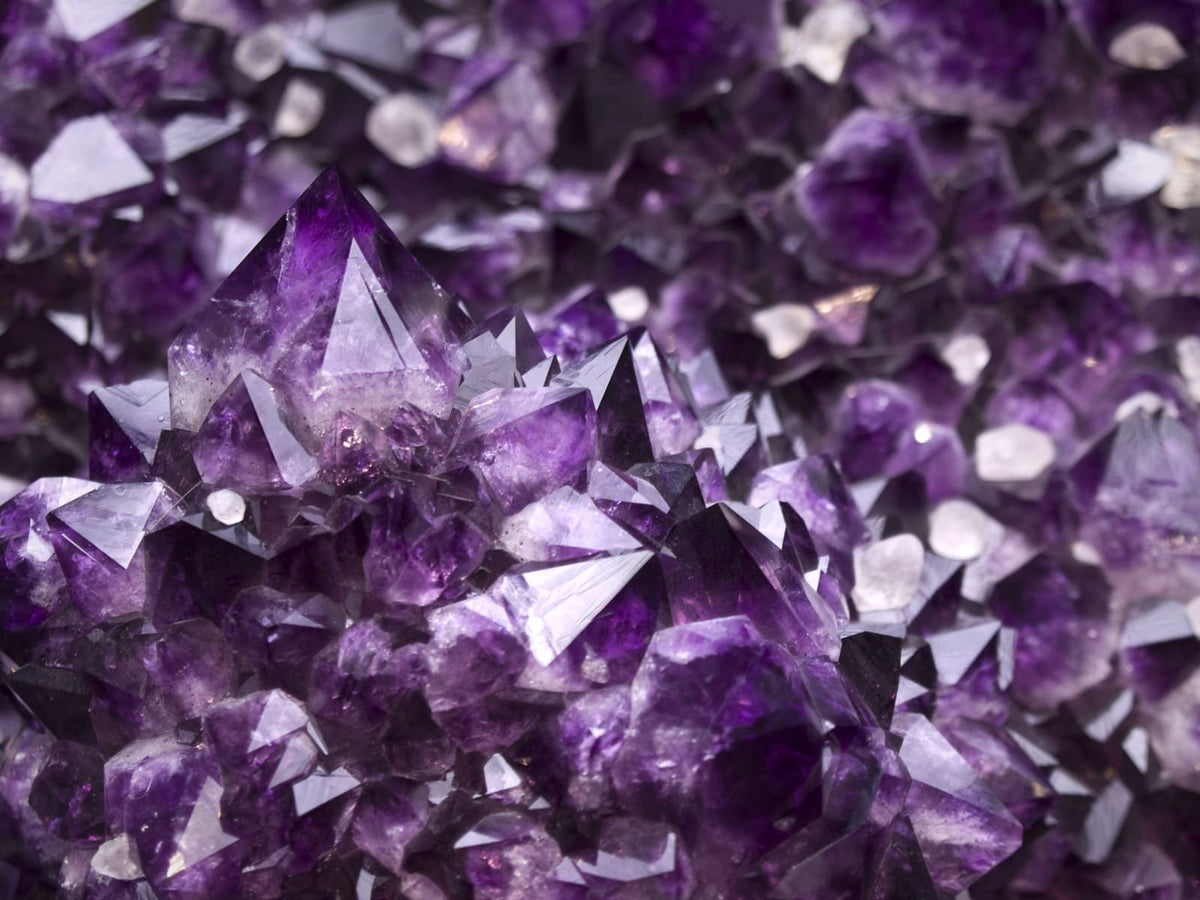
Amethyst is the birthstone for February, and its cool, glassy purple is a natural match for the heart of winter. Prized since antiquity, this violet variety of quartz is one of the most recognizable gemstones in the world, and it is the traditional birthstone shared by the February zodiac signs Aquarius and Pisces.

This guide covers what amethyst actually is, its colors and named varieties, the folklore and symbolism attached to it, how heat treatment and lab-grown amethyst are disclosed in the trade, and how to care for it so its color lasts.
What Is Amethyst?
Amethyst is the purple variety of quartz, a mineral made of silicon dioxide (SiO2). Its color comes from traces of iron combined with natural irradiation inside the earth, which is why hues range from pale lilac to deep violet, often with red or blue flashes. Amethyst has a Mohs hardness of about 7, so it is durable enough for everyday jewelry with reasonable care.

People have valued amethyst for thousands of years. It appears in Neolithic finds, in ancient Egyptian jewelry, and in Greek and Roman ornaments. The name itself comes from the Greek word amethystos. In Greek folklore that word was linked to the idea of staying clear-headed at a feast, which is why the stone carried a reputation for level-headedness. That is a piece of ancient lore, not a health claim about alcohol or the body.
Amethyst was widely used in signet rings and religious ornaments, and Renaissance writers admired it as a symbol of clear thinking. Today it remains a favorite with collectors and jewelers alike for its rich color and affordability compared with many other purple gems.
Amethyst Colors & Types
Amethyst is graded mainly by the strength and evenness of its purple. Because of its layered crystal growth, few stones are perfectly uniform, and many show color zoning. Below are the color grades and named varieties you will see most often.
| Variety / grade | Color | Notes |
|---|---|---|
| Deep Siberian | Rich purple with red/blue flashes | Top trade grade; the name is a quality term, not strictly a Russian origin. Also mined in Africa, South America and Sri Lanka. |
| Rose de France | Pale lilac to soft lavender | Light, delicate tone; popular for dainty jewelry. |
| Chevron amethyst | Purple banded with white quartz | V-shaped bands of amethyst and milky quartz; used decoratively and in carvings. |
| Ametrine | Purple + yellow zones | Natural blend of amethyst and citrine in one crystal; mainly from Bolivia. |
| Prasiolite ("green amethyst") | Light to yellowish green | Not a natural amethyst color; produced by heat-treating amethyst or citrine. Should be sold as prasiolite or "green amethyst," disclosed as treated. |
| Amethyst with cacoxenite | Purple with golden inclusions | Amethyst carrying radiating cacoxenite inclusions; valued for its patterns. |
| Brandberg amethyst | Amethyst + smoky quartz | From the Brandberg area of Namibia; sometimes shows enhydro or mineral inclusions. |
| Black amethyst | Very dark purple, near black | Deeply saturated crystals, often with a crusted surface; comparatively scarce. |

Note that so-called "green amethyst" is really prasiolite: it does not occur in this color in nature and is produced by heating amethyst or citrine. Reputable sellers disclose it as treated. See more color grades in our amethyst collection.


Amethyst Meaning & Symbolism
These are traditional beliefs, not medical claims. Crystals are not medicine and cannot diagnose, treat, cure, or prevent any illness; consult a qualified professional.
In crystal lore and folklore, amethyst has long been associated with calm, clarity and a steady mind. Ancient Greeks and Romans linked it to keeping a clear head, and later traditions connected its violet color with intuition and reflection. These are cultural and symbolic associations rather than proven effects.
As a birthstone, amethyst is traditionally seen as a symbol of sincerity, poise and inner balance, which is part of why it is a popular gift for February birthdays and for the zodiac signs Aquarius and Pisces. Many people simply enjoy it for its beauty and the meaning they choose to attach to it.

Treatment, Synthetic & How to Identify
Amethyst reaches the market as natural, treated, lab-grown (synthetic) or imitation material. Under U.S. FTC Jewelry Guides, treatments and synthetic origin should be disclosed, so it is worth knowing what each term means.
- Heat treatment. Amethyst is sensitive to heat and is sometimes heated. Heating can lighten the purple, or change the color entirely: amethyst can turn yellow to orange (marketed as citrine) or green (prasiolite, sold as "green amethyst"). Heat-altered color is generally stable but should be disclosed.
- Synthetic (lab-grown) amethyst. Lab-grown amethyst has the same chemistry and structure as natural amethyst and is common and widely sold. It is not a fake, but sellers are expected to disclose it as synthetic or lab-grown, and it typically costs less than fine natural material.
- Imitation. Dyed glass or purple-coated stones are imitations, not amethyst. These should never be sold simply as "amethyst."

Practical pointers: natural amethyst often shows color zoning (uneven bands of purple), while glass imitations tend to look uniform and may contain bubbles. Amethyst has a Mohs hardness of about 7, so it resists scratching from everyday dust better than glass. When in doubt, buy from a seller who states origin and treatment, and for higher-value stones ask for lab identification. We describe how we grade our stones on our quality rank page.
Amethyst Care
Amethyst is durable but its color can fade with prolonged exposure to strong sunlight, and high heat can permanently change its color. A few simple habits keep it looking its best.
- Store amethyst away from long, direct sunlight to help preserve its purple color.
- Keep it away from heat sources, and remove jewelry before very hot activities.
- Clean with warm water, mild soap and a soft brush; avoid harsh chemicals.
- Store pieces separately so harder stones do not scratch them.
February Birthstone FAQ
What is the birthstone for February?
The February birthstone is amethyst, the purple variety of quartz. It is the traditional birthstone for the month and is shared by the zodiac signs Aquarius and Pisces.
What color is amethyst?
Amethyst ranges from pale lilac (Rose de France) to deep violet (Deep Siberian), often with red or blue flashes. Its color comes from iron and natural irradiation in the quartz.
Is green amethyst real amethyst?
"Green amethyst" is prasiolite, which does not occur in that color in nature. It is produced by heat-treating amethyst or citrine and should be disclosed as treated prasiolite rather than natural amethyst.
Is lab-grown amethyst real?
Lab-grown (synthetic) amethyst has the same chemical composition and crystal structure as natural amethyst. It is genuine amethyst material, but it should be clearly disclosed as synthetic or lab-grown and usually costs less than natural.
How hard is amethyst and can I wear it daily?
Amethyst has a Mohs hardness of about 7, which makes it suitable for everyday jewelry with normal care. Protect it from hard knocks, strong sunlight and high heat to keep its color.
Does amethyst fade in sunlight?
Yes. Prolonged exposure to strong sunlight can gradually lighten amethyst, and high heat can change its color permanently, so it is best stored away from direct sun and heat.
Shop February Birthstone Amethyst at KenKenGems
Amethyst brings a rich, versatile purple to any jewelry box, from pale lavender to deep violet. Browse a wide selection of amethyst at KenKenGems, along with ametrine, amethyst clusters, cacoxenite in amethyst and more. Each listing describes the stone so you can choose with confidence.


