
TOC
- 1. What Is Green Aventurine? Definition and Meaning at a Glance
- 1-1. Green Aventurine Quick Facts
- 1-2. Is Green Aventurine Quartz — or a Rock?
- 2. Green Aventurine Meaning and Symbolism
- 2-1. Green Aventurine Spiritual Meaning
- 3. Green Aventurine Physical and Geological Properties
- 3-1. What Causes the Sparkle? Aventurescence Explained
- 4. The Story Behind the Name: Glass Came First
- 5. Green Aventurine Healing Lore and Traditional Uses
- 5-1. Luck, Opportunity, and Confidence
- 5-2. Emotional Balance and Heart-Centered Lore
- 6. Green Aventurine Metaphysical Properties
- 6-1. Heart Chakra Connection
- 6-2. Zodiac, Planets, and Birthstone Connections
- 7. Green Aventurine vs. Jade and Amazonite
- 8. Colors and Forms: Dark Green, Raw, and Other Aventurines
- 9. Where Is Green Aventurine Found?
- 10. How to Use Green Aventurine
- 10-1. Green Aventurine Jewelry: Wearing and Making It
- 10-2. Carrying, Placement, and Intention Practices
- 11. How to Clean, Cleanse, and Care for Green Aventurine
- 12. Natural, Treated, or Imitation? How to Tell If Green Aventurine Is Real
- 13. Green Aventurine Value: How Much Is It Worth?
- 14. Frequently Asked Questions About Green Aventurine
- 14-1. What is green aventurine good for?
- 14-2. Is green aventurine the same as jade?
- 14-3. Is green aventurine quartz?
- 14-4. Green aventurine vs. amazonite — how do they differ?
- 14-5. Can green aventurine go in water?
- 14-6. What chakra is green aventurine associated with?
- 14-7. Does green aventurine fade in sunlight?
- 14-8. How can I tell if green aventurine is real?
- 14-9. Is green aventurine expensive?
- 14-10. What zodiac sign is green aventurine for?
- 15. Shop Green Aventurine Beads, Cabochons, and Loose Stones at KenKenGems

What Is Green Aventurine? Definition and Meaning at a Glance
By definition, green aventurine is a green, quartz-rich stone whose color and shimmer come from countless tiny flakes of fuchsite — a chromium-bearing variety of muscovite mica — scattered through it. Those flakes catch the light as you turn the stone, producing the glittery effect known as aventurescence. It measures 6.5–7 on the Mohs scale, which makes it durable enough for everyday jewelry.
In crystal traditions, green aventurine is known as the stone of opportunity: a stone associated in folklore with luck, optimism, new beginnings, and the courage to say yes when a chance appears. Its color ranges from pale mint to deep forest green, and it is one of the most affordable and widely available crystals, which is why it is such a common first stone for beginners.
A quick buyer note (FTC disclosure): the term "green aventurine" should be reserved for the natural quartz stone. Some green material on the market is dyed quartzite or green glass (often sold as "goldstone"). Reputable sellers describe natural stone as natural and disclose any dyeing or treatment — we cover how to tell them apart in the sections below.

Green Aventurine Quick Facts
| Attribute | Detail |
|---|---|
| Material | Quartz-rich stone (usually aventurine quartzite) with fuchsite mica inclusions |
| Color | Pale mint to deep forest green, often with visible glitter |
| Hardness (Mohs) | 6.5–7 |
| Optical Effect | Aventurescence (glittery shimmer from mica flakes) |
| Chakra (in crystal lore) | Heart |
| Zodiac (in crystal lore) | Commonly linked to Taurus, Virgo, and Libra |
| Name Origin | Italian a ventura ("by chance") — originally the name of a Venetian glass |
| Main Sources | India (largest supplier), Brazil, Russia, Chile, Spain, Tanzania |
| Keywords | Luck, opportunity, optimism, growth |
| Good to Know | Often sold as "Indian jade" — but it is not jade |
Is Green Aventurine Quartz — or a Rock?
Both, in a sense — and this is where many sources get it wrong. Green aventurine is quartz-based, but most material on the market is not a single quartz crystal: it is aventurine quartzite, a rock made up largely of interlocking quartz grains with fuchsite mica flakes distributed through it. That mixed makeup is exactly what creates the sparkle, since a pure quartz crystal has nothing inside to catch the light.
In practical terms this does not change how you use or care for the stone — it is still quartz-hard and quartz-durable. But if you have seen green aventurine described as a "microcrystalline quartz" or as a simple mineral species, the fuller picture is that it is usually a rock built around quartz. Either way, the correct trade term is green aventurine quartz.
Green Aventurine Meaning and Symbolism
The core green aventurine meaning is opportunity. Its fresh green color has long been linked in folklore to growth, renewal, and the season when things start again — and in crystal practice that translates into openness to new chances, optimism, and forward momentum. In crystal lore it is often described as one of the luckiest of the common crystals, and it is sometimes nicknamed the "gambler’s stone."
In modern crystal practice, green aventurine is said to represent:
- Luck and good fortune
- New opportunities and the confidence to act on them
- Optimism, enthusiasm, and a fresh outlook
- Growth, prosperity, and abundance
- A settled, open heart and emotional calm
One honest note on the "luck" framing: practitioners generally describe green aventurine as a stone that shifts your mindset so you notice and act on opportunities — not as something that guarantees any outcome. No crystal can promise luck, income, or results. That mindful, action-first view is a more useful way to think about it than treating it as a lucky charm.
Green Aventurine Spiritual Meaning
Spiritually, green aventurine is regarded in crystal lore as a stone of renewal and heart-centered courage. Practitioners describe its energy as gentle but forward-moving — traditionally associated with releasing old disappointments, softening comparison and envy, and restoring the willingness to try again. Because it is linked with the heart chakra, it is often chosen when someone is rebuilding confidence after a setback: a new business, a return to dating, or a career change.
Many people also connect it with nature and the outdoors, keeping a piece in the garden or on a windowsill as a personal symbol of steady growth. These are traditional beliefs, not medical claims.
Green Aventurine Physical and Geological Properties
Green aventurine forms when quartz-rich rock is altered by heat and pressure, allowing chromium-bearing fuchsite mica to crystallize among the quartz grains. The result is a tough, evenly colored stone with a distinctive internal glitter.
At 6.5–7 on the Mohs scale it stands up to daily wear — comparable to amethyst or rose quartz — and it takes a good polish, which is why it is used so widely for beads, cabochons, tumbled stones, and carvings. Most material is opaque to slightly translucent; the finest pieces show even color with a well-distributed sparkle rather than patchy glitter concentrated in one area.
| Property | Green Aventurine |
|---|---|
| Mineral / rock type | Quartz-rich rock (usually aventurine quartzite), silicon dioxide (SiO2) |
| Color | Pale mint to deep forest green (aventurine also occurs blue, red, orange, brown, yellow, peach, grey) |
| Cause of color | Chromium-bearing fuchsite mica inclusions |
| Mohs hardness | 6.5–7 (slightly lower where mica flakes are abundant) |
| Specific gravity | Approx. 2.64–2.69 |
| Luster | Vitreous, with aventurescent shimmer |
| Diaphaneity | Translucent to nearly opaque |
| Crystal system | Trigonal (quartz) |
| Optical effect | Aventurescence (glitter from reflective mica flakes) |
| Main sources | India (largest), Brazil, Russia, Chile, Spain, Tanzania |

What Causes the Sparkle? Aventurescence Explained
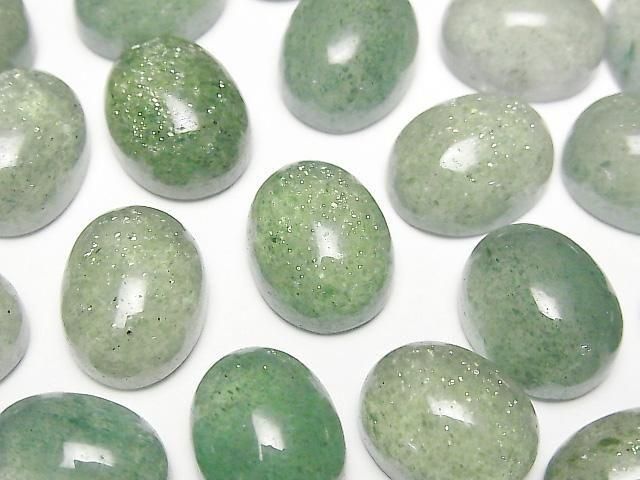
The shimmer in green aventurine has a proper name: aventurescence. It is caused by light bouncing off thousands of flat mica flakes lying at slightly different angles inside the stone — not by a surface coating or treatment. Tilt a piece under a single light source and you will see the glitter travel across the surface.
This matters for buyers: aventurescence is the single most reliable sign that you are holding natural aventurine. Dyed green quartzite can imitate the color, but it cannot easily fake the internal, direction-dependent sparkle of genuine fuchsite inclusions.
The Story Behind the Name: Glass Came First
Green aventurine has one of the better naming stories in the gem world — and it runs backwards from what most people assume. In 18th-century Venice, glassmakers on Murano accidentally produced a sparkling glass shot through with glittering copper flecks. They called it avventurina, from the Italian a ventura, meaning "by chance," after the accidental discovery. (You may know its modern descendant as goldstone — a man-made glass, not a natural stone.)
Only later did mineralogists borrow the word for the natural stone, because its shimmer looked so similar. In other words, aventurine the stone was named after aventurine the glass — not the other way around. It is a small detail, but it is the kind that often gets reversed in crystal write-ups.
Green Aventurine Healing Lore and Traditional Uses
In crystal-healing tradition, green aventurine is thought of as the optimism stone: practitioners reach for it when they want to feel hopeful, open, and ready to move. In crystal lore its energy is described as light and encouraging rather than intense — a gentle nudge rather than a push. People sometimes ask about green aventurine benefits; the ideas below are cultural and metaphysical, not medical.
Important: the associations described here reflect metaphysical traditions and personal practice, not scientific or medical fact. Green aventurine is not a treatment for any condition and is not a substitute for professional medical or mental-health care. No stone can guarantee luck, income, or any particular outcome. These are traditional beliefs, not medical claims.
Luck, Opportunity, and Confidence
This is green aventurine’s signature theme. In crystal lore, practitioners work with it to:
- Stay open to new opportunities instead of talking themselves out of them
- Feel steadier before interviews, pitches, exams, and first dates
- Reset their outlook after a run of bad luck
- Set intentions around new ventures, side projects, and career changes
- Encourage a calm, abundant mindset around money and work
A common practice is to keep a tumbled stone in a wallet, bag, or desk drawer as a physical reminder of a goal — a small cue that prompts you to actually take the next step. These are traditional beliefs, not medical claims.
Emotional Balance and Heart-Centered Lore
Beyond luck, green aventurine is associated in crystal lore with emotional steadiness. In crystal lore it is believed to help calm frustration and irritability, soften envy or comparison, and ease the sting of disappointment so you feel ready to try again. It is often chosen for reconciliation and for rebuilding self-trust after a setback. Kept nearby during stressful periods, it is traditionally linked with a calmer, more balanced response — the emotional equivalent of taking a breath before you answer.
These are traditional beliefs, not medical claims. If you are struggling with your mood or stress, please speak with a qualified professional.

Green Aventurine Metaphysical Properties
Metaphysically, green aventurine is considered in crystal lore a stone of growth and flow. Practitioners believe it:
- Attracts opportunity and supports manifestation work around abundance
- Clears stagnant energy and old patterns that seem to block progress
- Balances the heart, encouraging compassion and emotional generosity
- Connects the wearer to nature and to steady, organic growth
- Harmonizes well in feng shui, where green stones are placed in wealth and family areas
It is said to pair naturally with citrine for abundance work, clear quartz to amplify intentions, and rose quartz for heart-centered practices. These are traditional beliefs, not medical claims.
Heart Chakra Connection
In crystal lore, green aventurine is a heart chakra (Anahata) stone. Its green color is traditionally used to represent and "balance" the heart center — the seat, in this tradition, of compassion, connection, and emotional equilibrium. Practitioners place it over the center of the chest during meditation, or wear it as a pendant so it rests near the heart through the day. Because its energy is considered gentle, it is often recommended as a beginner-friendly alternative to more intense heart stones. These are traditional beliefs, not medical claims.
Zodiac, Planets, and Birthstone Connections
Green aventurine is not a traditional birthstone, but in crystal-astrology tradition it is most often linked to Taurus, Virgo, and Libra — earth and air signs associated with growth, practicality, and balance. Some modern lists also connect it to Aries as a stone of initiative.
In the same lore it is associated with the planets Mercury and Venus and with the elements earth, water, and air. As with most crystals, these traditions consider it suitable for any sign, especially during a period of change or a fresh start. These are cultural correspondences, not scientific claims.
Green Aventurine vs. Jade and Amazonite
Green aventurine is frequently sold under the trade name "Indian jade" — but it is not jade, and knowing the difference protects both your budget and your expectations. Under US FTC Jewelry Guides, a stone should be described by its correct identity, so natural green aventurine should be sold as green aventurine, not as jade.
- Green aventurine — a quartz-based stone with fuchsite mica; shows visible glitter (aventurescence); Mohs 6.5–7; inexpensive and widely available
- Jade (jadeite or nephrite) — entirely different minerals; no glitter; a smooth, waxy to greasy luster; tougher and far more resistant to breaking; fine jade can be extremely valuable
- Amazonite — a green-to-blue feldspar, often with white streaks and a silky sheen (schiller); no aventurescent glitter; Mohs 6–6.5
| Feature | Green Aventurine | Jade (jadeite/nephrite) | Amazonite |
|---|---|---|---|
| Mineral group | Quartz + fuchsite mica | Jadeite / nephrite | Feldspar (microcline) |
| Sparkle | Aventurescence (internal glitter) | None | None (may show a soft sheen) |
| Luster | Vitreous, glittery | Waxy to greasy | Vitreous to silky |
| Typical color | Mint to forest green | Green, white, lavender | Blue-green to green, often white streaks |
| Mohs hardness | 6.5–7 | 6–7 | 6–6.5 |
| Typical price | Low | Low to very high | Low to moderate |
Quick tell: if it sparkles inside, it is aventurine, not jade. Jade’s beauty is in its even, glowing translucency, not in glitter; amazonite’s is in its blue-green color and streaks. There is nothing wrong with green aventurine — it is a lovely, affordable stone — but it should never be priced or represented as jade.

Colors and Forms: Dark Green, Raw, and Other Aventurines
Green aventurine varies more than people expect:
- Light to mint green — pale, delicate material, popular for dainty jewelry
- Dark green aventurine — deep forest tones from a higher fuchsite content; prized for its rich color and strong contrast with silver
- Raw green aventurine — unpolished chunks and points that show the natural texture; popular for grids, decor, and display
- Tumbled and polished — the most common form, with the sparkle at its most visible
Aventurine also occurs in other colors, each produced by a different inclusion. Green remains by far the most common and the one associated in folklore with luck:
| Aventurine Color | Typical Inclusion |
|---|---|
| Green | Fuchsite (chromium-bearing mica) |
| Blue | Dumortierite |
| Red / orange / brown | Hematite or goethite |
| Pink / purple | Lepidolite mica |
| Yellow / peach | Iron oxides |
| Grey / silvery | Muscovite or ilmenite |
Where Is Green Aventurine Found?
India is by far the world’s largest source of green aventurine, with the Mysore and Karnataka regions supplying most of the beads, tumbles, and carvings sold internationally — which is exactly how the misleading "Indian jade" trade name arose. Other notable sources include Brazil, Russia, Chile, Spain, and Tanzania.
Because the material is abundant and worked at scale, quality varies more by cutting and selection than by locality: two strands from the same region can differ noticeably in color evenness and sparkle.
How to Use Green Aventurine
What is green aventurine good for in daily life? In practice its uses fall into three categories: wearing it, carrying or placing it, and using it in focused practices like meditation or intention-setting. Because it is durable and affordable, it is one of the easiest crystals to work into an everyday routine.
Green Aventurine Jewelry: Wearing and Making It
Green aventurine is a natural fit for jewelry. At Mohs 6.5–7 it handles daily wear well, and its color flatters both silver and gold — cool mint tones sit beautifully with silver, while deeper forest greens warm up against gold. Pendants and necklaces are the traditional choice because they rest near the heart; bracelets are popular for keeping the stone visible as a daily reminder.
For jewelry makers, green aventurine beads are one of the most versatile and forgiving materials to work with:
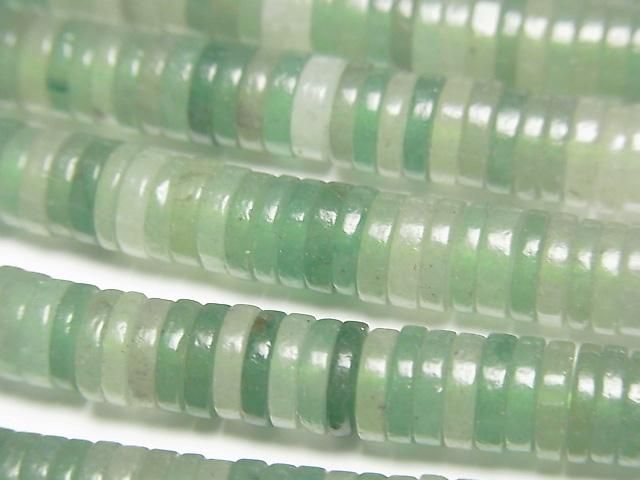
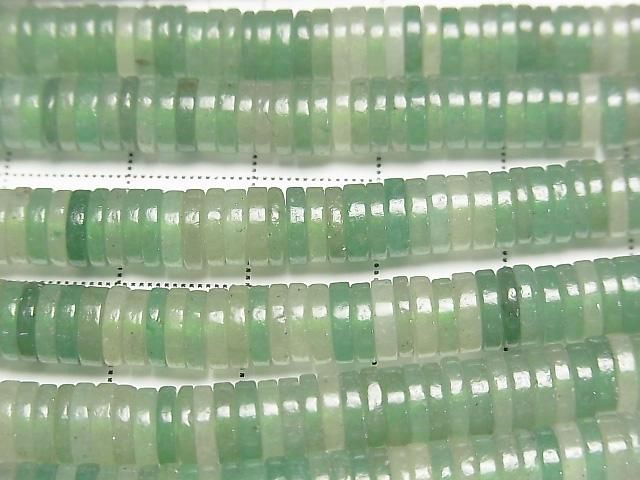
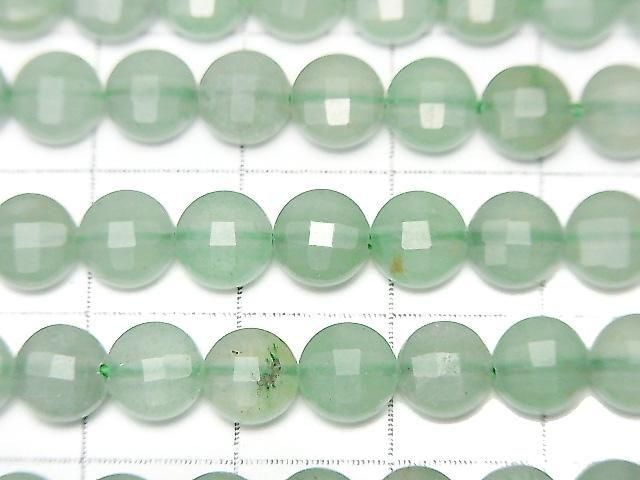
- 6 mm to 10 mm rounds are the most useful sizes for bracelets and layered necklaces
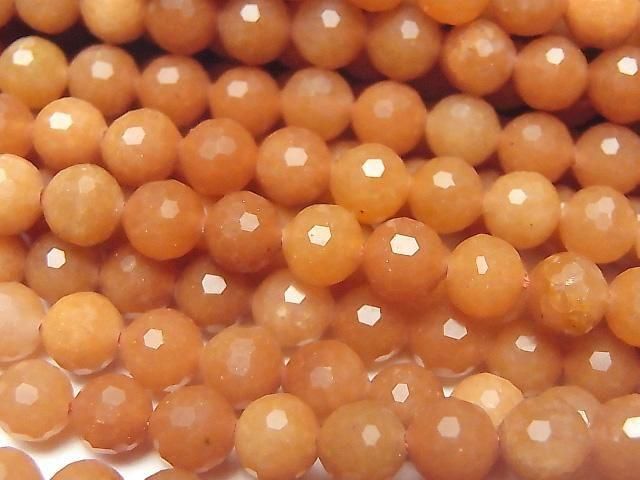
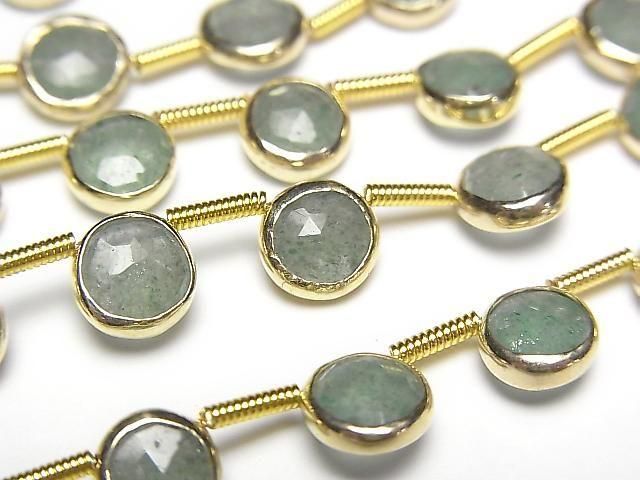
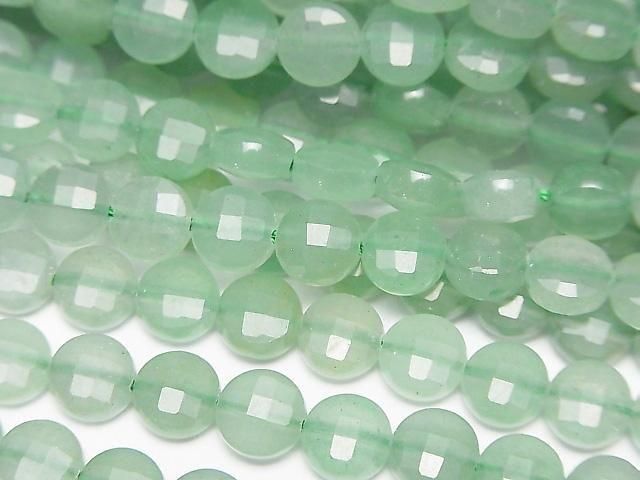
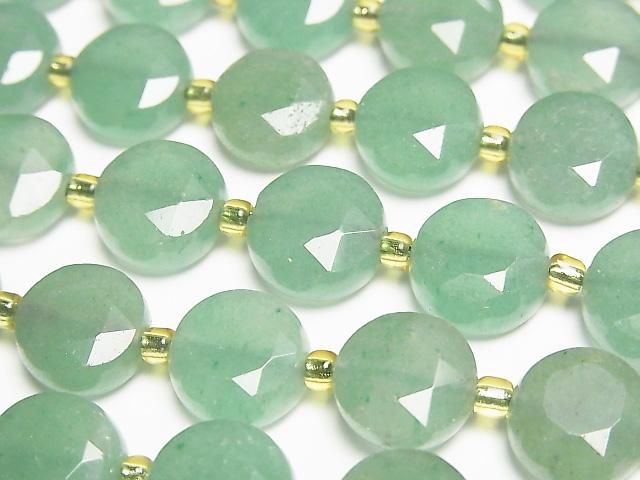
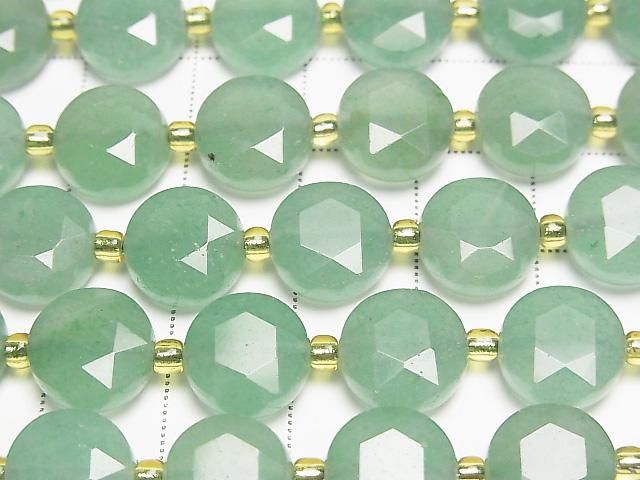
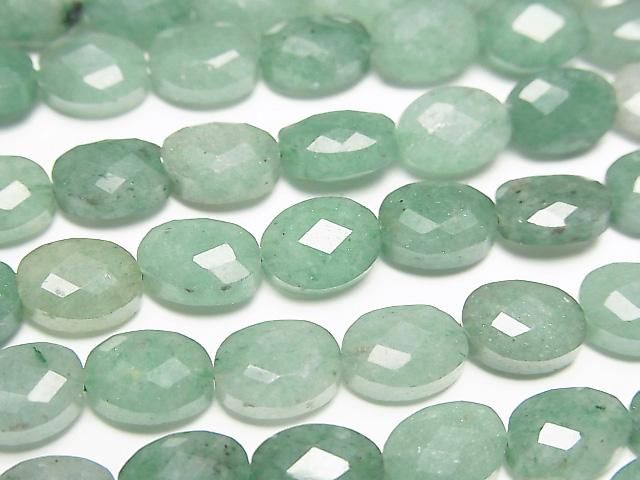
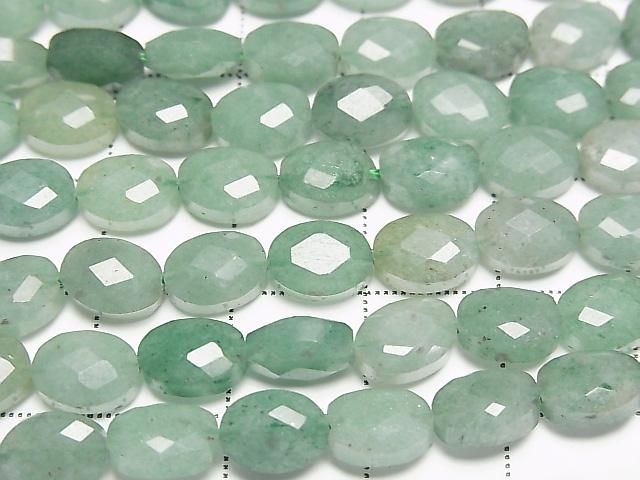
- Faceted cuts intensify the sparkle; smooth rounds show color more evenly
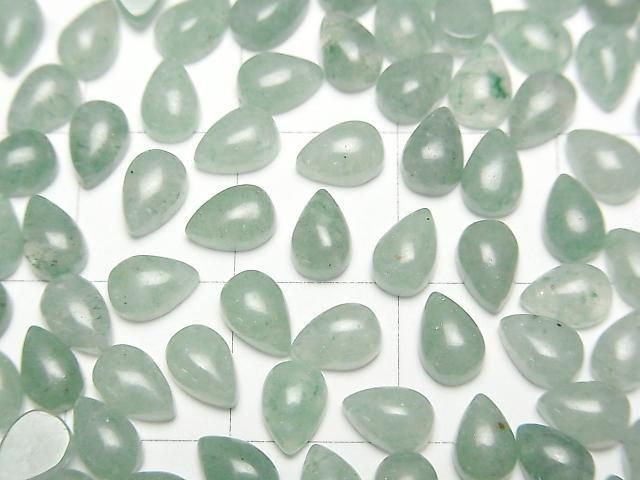
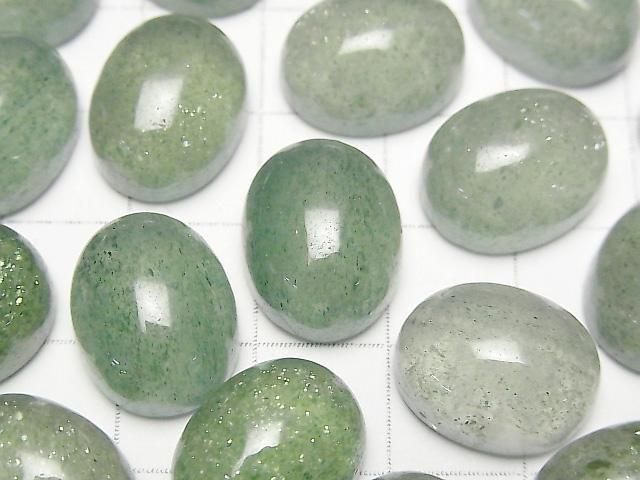
- Cabochons suit rings and statement pendants; larger stones display aventurescence best
- It pairs well with rose quartz, citrine, clear quartz, and freshwater pearls
When selecting strands, look for even color and glitter distributed across every bead rather than concentrated in a few.
Carrying, Placement, and Intention Practices
Beyond jewelry, green aventurine is traditionally kept where decisions and money happen: a wallet, a desk drawer, a cash register, or the wealth corner of a home in feng shui. Gardeners sometimes tuck a piece into a planter as a symbol of growth. For intention work, hold the stone while naming a specific, concrete next step — practitioners emphasize pairing it with action rather than treating it as a substitute for one. In meditation, rest it over the heart and breathe slowly, focusing on openness rather than a particular outcome.

How to Clean, Cleanse, and Care for Green Aventurine
Physical care: green aventurine is hard and easy to look after. Wash it with mild soap and lukewarm water, then dry with a soft cloth. Avoid ultrasonic and steam cleaners, harsh chemicals, and long salt-water soaks. Keep prolonged direct sunlight brief — some green material can pale over time, and any dyed stone will fade noticeably. Store it away from harder stones like topaz to prevent scratches.
Energetic cleansing (a traditional practice, not a physical process): many practitioners use gentle methods such as smoke from sage or palo santo, sound from a singing bowl, a selenite plate, or moonlight overnight. A brief rinse under running water is also fine for undyed stone.
Natural, Treated, or Imitation? How to Tell If Green Aventurine Is Real
Because green aventurine is inexpensive, elaborate fakes are less common than with rare stones — but dyed quartzite and green glass (including "goldstone") do circulate, and some pale stone is dyed to deepen its color. Under FTC Jewelry Guides, sellers should disclose dyeing and other treatments and should not present an imitation as natural stone. Here is what to check:
- Look for the sparkle : natural aventurine shows internal glitter that moves as you tilt it under a single light. Flat, sparkle-free green usually means dyed quartzite
- Check color evenness : natural material varies subtly across the stone; a uniform, almost painted-looking green suggests dye
- Inspect drill holes and cracks : dye tends to pool and concentrate there, which is the easiest place to catch it
- Watch for bubbles : round air bubbles inside mean glass, not stone
- Feel it : natural stone is cool and dense; glass warms fast and resin feels light
- Remember the jade issue : "Indian jade" is aventurine — genuine jade never sparkles like this
The bottom line for disclosure: buy from suppliers who state the material plainly (natural, dyed, or imitation) and who describe any treatment. Natural green aventurine should be sold as natural green aventurine — not as jade, and not as untreated stone if it has in fact been dyed.
Green Aventurine Value: How Much Is It Worth?
Green aventurine is one of the most affordable gemstones, which is a large part of its appeal. Typical US retail ranges:
- Tumbled stones and palm stones: about $2–$15
- Bead strands (15–16 in): roughly $5–$30 depending on color, size, and cut
- Cabochons: a few dollars to about $40
- Raw chunks and points: from a few dollars; larger display pieces more
- Carvings, spheres, and towers: from tens of dollars upward by size and workmanship
Value is driven by even color, well-distributed sparkle, translucency, and polish quality — not by locality. Deep, richly colored dark green material with strong aventurescence tends to command the higher prices. Dyed stone is worth less than natural material of the same look, and if a piece is priced like jade, that is a red flag rather than a sign of quality.

Frequently Asked Questions About Green Aventurine
What is green aventurine good for?
In crystal-healing tradition green aventurine is used for luck, optimism, and new opportunities — it is nicknamed the stone of opportunity. People wear or carry it for confidence before interviews and new ventures, and use it in heart-chakra and intention practices. These are traditional beliefs, not medical claims.
Is green aventurine the same as jade?
No. Green aventurine is a quartz-based stone with visible internal glitter; jade (jadeite or nephrite) is a different, tougher, non-sparkling material that can be far more valuable. "Indian jade" is a misleading trade name for aventurine.
Is green aventurine quartz?
Yes, essentially — it is quartz-based. Most material is aventurine quartzite: a rock of interlocking quartz grains with fuchsite mica flakes that create the sparkle. The correct trade term is green aventurine quartz.
Green aventurine vs. amazonite — how do they differ?
Amazonite is a green-to-blue feldspar, often with white streaks and a soft sheen, and no aventurescent glitter. Green aventurine is quartz-based and sparkles inside. If it shimmers with internal glitter, it is aventurine.
Can green aventurine go in water?
Yes, briefly. At Mohs 6.5–7 it tolerates a quick rinse; just avoid long soaks and salt water. If a stone has been dyed, keep it dry, since water and sun will accelerate fading.
What chakra is green aventurine associated with?
In crystal lore, the heart chakra — its green color is traditionally used to represent and balance the heart center, supporting compassion and emotional steadiness. This is a cultural tradition, not a medical claim.
Does green aventurine fade in sunlight?
It can. Prolonged strong sunlight may pale natural green material over time, and dyed stone fades noticeably faster. Display it out of direct sun.
How can I tell if green aventurine is real?
Look for aventurescence — internal glitter that shifts as you tilt the stone under a single light. Flat, perfectly uniform green with no sparkle, or dye concentrated around drill holes, points to dyed quartzite; round bubbles inside point to glass.
Is green aventurine expensive?
No — it is one of the most affordable gemstones. Tumbled stones run about $2–$15 and bead strands roughly $5–$30. Deep dark-green material with strong sparkle sits at the higher end.
What zodiac sign is green aventurine for?
It is not a traditional birthstone, but in crystal-astrology tradition it is most often linked to Taurus, Virgo, and Libra, with some lists adding Aries. Traditions consider it suitable for any sign.
Shop Green Aventurine Beads, Cabochons, and Loose Stones at KenKenGems
Ready to bring green aventurine’s fresh color and sparkle into your designs? KenKenGems is a Japan-based gemstone bead supplier trusted by jewelry makers worldwide, and every strand we list is hand-selected for even color and well-distributed aventurescence. You will find:
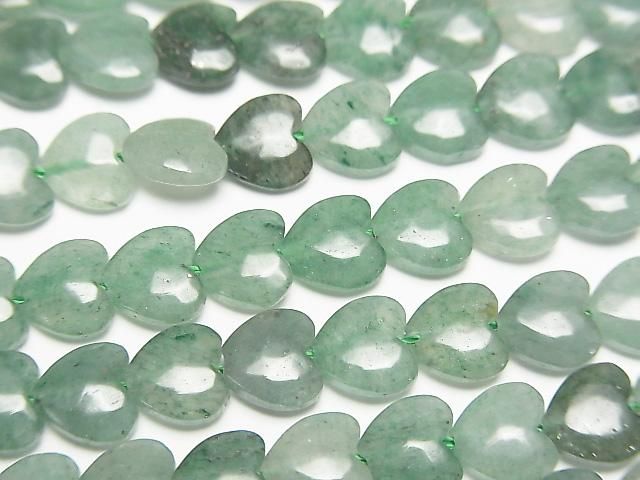
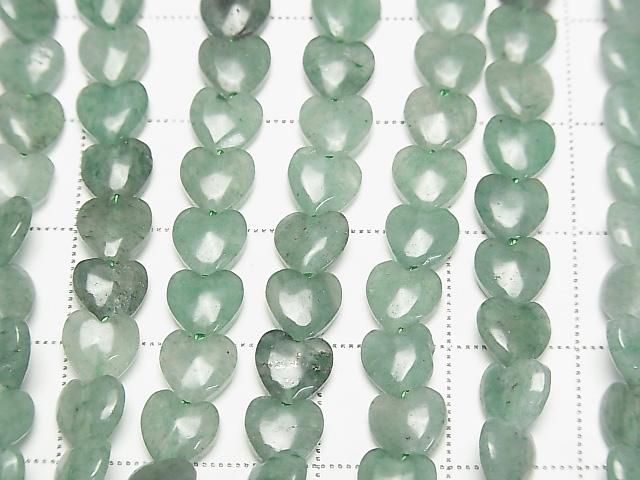
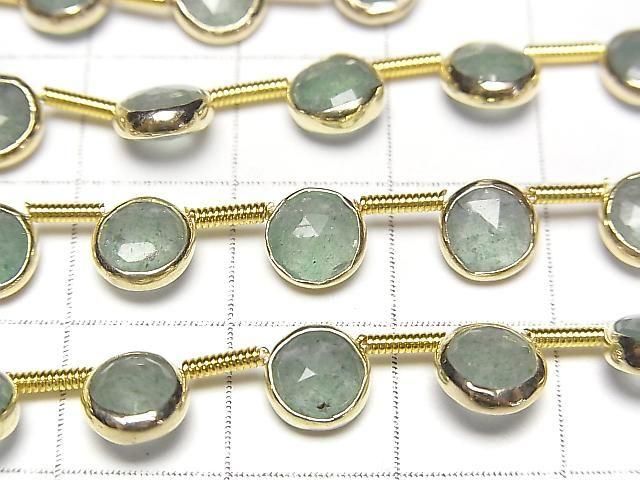
- Green aventurine bead strands — rounds, faceted cuts, and fancy shapes
- Cabochons and palm stones for rings, pendants, and statement pieces
- Raw and tumbled pieces for grids, decor, and display
We describe our material accurately — natural aventurine is sold as aventurine, never as jade, and any treatment is disclosed. Prices are listed in USD, and we ship to the United States and Canada.


![[Vidéo] Goutte d'aventurine verte (lisse) 25x8mm 2pcs](http://store.kenkengems.com/cdn/shop/files/190778473.jpg?v=1774952651&width=640)
![[Vidéo] Goutte d'aventurine verte (lisse) 25x8mm 2pcs](http://store.kenkengems.com/cdn/shop/files/190778473_o1.jpg?v=1774952633&width=640)
![Aventurine verte motif chat 10x12mm [Trou percé à moitié (dos)] 3 pièces](http://store.kenkengems.com/cdn/shop/files/187774457.jpg?v=1756197695&width=640)
![Aventurine verte motif chat 10x12mm [Trou percé à moitié (dos)] 3 pièces](http://store.kenkengems.com/cdn/shop/files/187774457_o1.jpg?v=1756197702&width=640)