

TOC
- 1. Qu'est-ce que la Labradorite ? Définition et signification en un coup d'œil
- 1-1. Faits rapides sur la Labradorite
- 2. L'histoire de la Labradorite : de la légende inuite au joyau moderne
- 3. Signification et symbolisme de la Labradorite
- 3-1. Signification spirituelle de la Labradorite
- 4. Propriétés physiques et géologiques de la Labradorite
- 4-1. Qu'est-ce qui rend un éclair de Labradorite précieux ?
- 5. Couleurs de la Labradorite : bleu, vert, gris et spectre complet
- 6. Types de Labradorite et de Feldspaths apparentés
- 6-1. Spectrolite : la Labradorite finlandaise à spectre complet
- 6-2. Pierre de lune arc-en-ciel : la Labradorite blanche
- 6-3. Pierre de soleil et pierre de soleil de l'Oregon
- 6-4. Andesine ("Labradorite rouge") : ce que les acheteurs doivent savoir
- 7. Valeur de la Labradorite : combien ça coûte ?
- 8. Propriétés curatives et bienfaits de la Labradorite
- 8-1. Bienfaits émotionnels et mentaux
- 8-2. Associations physiques traditionnelles
- 9. Propriétés métaphysiques et magiques de la Labradorite
- 9-1. Connexions des chakras de la Labradorite
- 9-2. Signes du zodiaque et pierres de naissance
- 10. Comment utiliser la Labradorite
- 10-1. Porter des bijoux en Labradorite
- 10-2. Méditer avec la Labradorite
- 11. Comment nettoyer, purifier et entretenir la Labradorite
- 12. Comment distinguer la vraie Labradorite de la fausse
- 13. Questions fréquemment posées sur la Labradorite
- 14. Acheter des perles, cabochons et pierres brutes de Labradorite chez KenKenGems

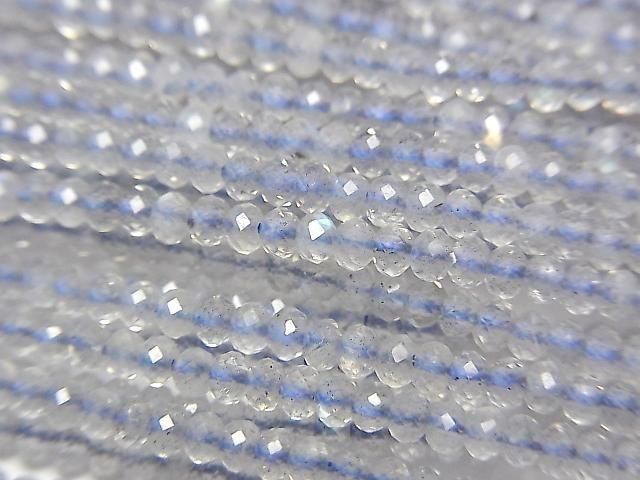
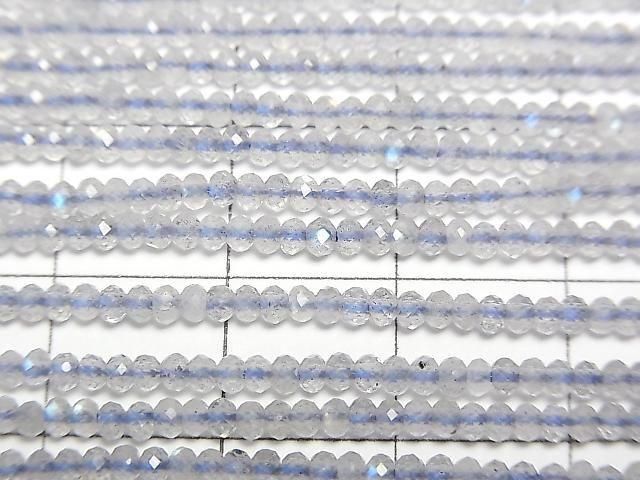
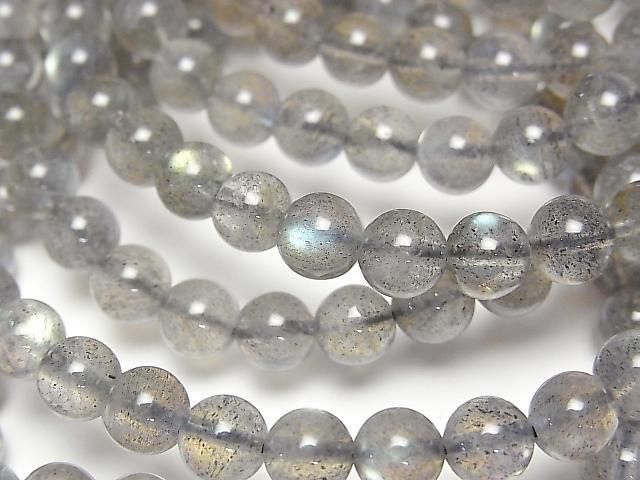
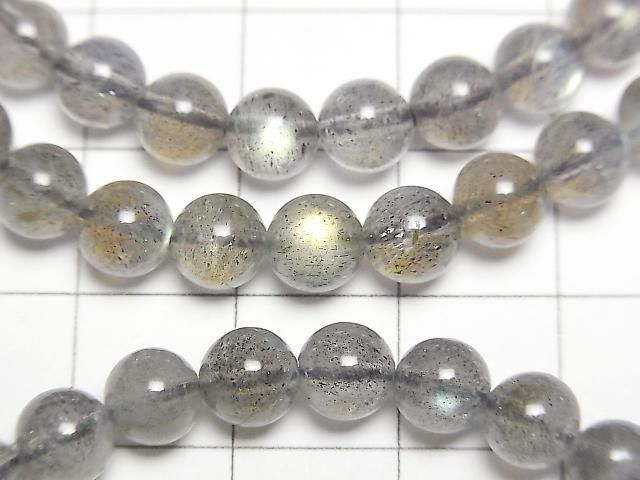
Labradorite en gros pour la fabrication de bijoux
463products available in this collection.
Shop NowQu'est-ce que la Labradorite ? Définition et signification en un coup d'œil
La labradorite est un minéral feldspath plagioclase riche en calcium, surtout connu pour son jeu de couleurs iridescent appelé labradorescence. Nommée d'après la péninsule du Labrador au Canada où elle fut formellement identifiée en 1770, elle présente typiquement un corps gris à noir qui éclate en éclairs bleus, verts, dorés, et parfois un spectre complet lorsque la lumière la frappe sous le bon angle.
Dans les traditions cristallines, la labradorite est la pierre de la transformation et de la magie — utilisée pour renforcer l'intuition, protéger son énergie et soutenir les personnes traversant un changement. Elle est suffisamment durable pour la plupart des bijoux (Mohs 6-6.5) et reste l'une des pierres précieuses "à effet wow" les plus abordables que l'on puisse acheter.
Faits rapides sur la Labradorite
| Minéral | Feldspath plagioclase (silicate d'aluminium de calcium-sodium) |
| Couleur | Corps gris à noir ; éclairs bleus, verts, dorés, oranges, violets |
| Effet optique | Labradorescence (éclair iridescent interne) |
| Dureté (Mohs) | 6-6,5 |
| Chakras | Troisième œil, gorge |
| Signes du zodiaque | Communément lié au Lion, Scorpion, Sagittaire |
| Sources principales | Canada, Madagascar, Finlande, Norvège, Russie, USA |
| Mots-clés | Transformation, intuition, protection, magie |
L'histoire de la Labradorite : de la légende inuite au joyau moderne
L'histoire de la labradorite commence en Amérique du Nord. Selon la légende inuite, les aurores boréales étaient autrefois emprisonnées dans des pierres le long de la côte du Labrador ; un guerrier frappa les roches avec sa lance pour libérer l'aurore, et la lumière qui resta devint la labradorite. Des preuves archéologiques montrent que la pierre était utilisée par le peuple Red Paint du Maine il y a plus de mille ans.
Le minéral est entré dans les annales scientifiques en 1770, lorsque des missionnaires moraves l'ont identifié sur l'île de Paul près de Nain, au Labrador (Canada) et l'ont nommé d'après la région. Il est rapidement devenu à la mode dans les bijoux européens des XVIIIe et XIXe siècles. Dans les années 1940, une variété spectaculaire à spectre complet a été découverte en Finlande et nommée spectrolite — aujourd'hui la forme la plus prisée de labradorite.

Signification et symbolisme de la Labradorite
La signification fondamentale de la labradorite est la transformation. Tout comme la pierre cache une couleur brillante sous un extérieur gris, elle symbolise le potentiel caché en une personne — et la magie de se voir "sous le bon jour".
Dans la pratique cristalline moderne, la labradorite représente :
- La transformation et la force à travers le changement
- L'intuition et la sagesse intérieure
- La protection contre l'énergie négative
- La magie, l'émerveillement et la redécouverte de la joie quotidienne
- La confiance en soi et le potentiel éveillé
En raison de ces associations, la labradorite est une pierre d'accompagnement populaire pour les nouveaux emplois, les déménagements, les ruptures et autres nouveaux départs.
Signification spirituelle de la Labradorite
Spirituellement, la labradorite est considérée comme un pont entre le monde quotidien et une conscience supérieure — un héritage de sa légende née de l'aurore. Les praticiens la décrivent comme une pierre d'éveil : on dit qu'elle aiguise l'intuition, approfondit la méditation et protège l'aura pendant que vous explorez le travail intérieur. Contrairement à des pierres "psychiques" plus intenses, la labradorite est considérée comme suffisamment douce pour les débutants qui veulent simplement faire davantage confiance à leur instinct et moins craindre le changement.
Propriétés physiques et géologiques de la Labradorite
La labradorite n'est pas une roche ou un type de granit — c'est un minéral : un membre riche en calcium de la série des feldspaths plagioclases. Elle se forme dans les roches ignées telles que le basalte, le gabbro et l'anorthosite, et de grandes masses cristallines sont taillées pour les gemmes. Sur l'échelle de Mohs, elle mesure 6 à 6,5, suffisamment dure pour la plupart des bijoux, bien que son clivage naturel signifie qu'elle peut s'écailler si elle est fortement frappée — traitez les bagues et les bracelets avec un certain soin.
La célèbre luminescence de la pierre, la labradorescence, n'est pas un éclat de surface. La lumière pénètre la pierre et interfère avec des lamelles microscopiques fines et superposées à l'intérieur du feldspath ; les longueurs d'onde réfléchies créent des éclairs de bleu, de vert, d'or et parfois de rouge ou de violet qui se déplacent lorsque vous tournez la pierre. C'est pourquoi la labradorite brute peut paraître d'un gris uni jusqu'à ce qu'elle soit orientée et polie par un tailleur qualifié. 
Qu'est-ce qui rend un éclair de Labradorite précieux ?
Lors de la comparaison de pierres, les acheteurs de gemmes jugent la labradorescence sur trois points :
- Couverture — un éclair sur toute la surface est préférable à une seule tache lumineuse
- Couleur — le bleu est classique ; le vert et l'or sont des compagnons courants ; le violet, le rose et l'éclair à spectre complet sont les plus rares
- Contraste — une couleur de corps plus foncée fait ressortir l'éclair, c'est pourquoi la spectrolite finlandaise atteint des prix plus élevés
Inclinez la pierre sous une seule source de lumière avant d'acheter : une taille bien orientée brille fortement face à vous, pas seulement sous des angles étranges.
Couleurs de la Labradorite : bleu, vert, gris et spectre complet
La couleur du corps de la labradorite est généralement grise, gris-vert ou presque noire — la magie réside dans l'éclat. La "labradorite bleue" fait référence à un matériau dominé par une labradorescence bleu électrique, le type le plus populaire pour les bijoux. La labradorite verte présente un éclat vert marin à sarcelle et coûte souvent un peu moins cher. La labradorite grise avec un éclat doux et argenté est courante dans les perles et les sculptures, tandis que la labradorite dorée ou champagne est une variété jaune transparente avec peu ou pas d'éclat, généralement facettée.
Le matériau le plus rare affiche plusieurs couleurs spectrales dans une seule pierre — bleu, vert, or, orange et violet ensemble — ce qui est la marque de la spectrolite de qualité supérieure.
Types de Labradorite et de Feldspaths apparentés
Plusieurs variétés commerciales de labradorite — et quelques feldspaths ressemblants vendus sous des noms de labradorite — apparaissent sur le marché. Connaître la différence vous aide à acheter exactement ce que vous voulez.
Spectrolite : la Labradorite finlandaise à spectre complet
La Spectrolite est la variété premium de labradorite, trouvée en Finlande et nommée pour le spectre complet de couleurs qu'elle affiche. Découverte dans les années 1940, elle combine un corps presque noir avec un éclat multicolore intense — bleu, vert, or, orange et violet dans une seule pierre. La spectrolite finlandaise authentique est plus rare que la labradorite standard et son prix est en conséquence, ce qui en fait la favorite des collectionneurs et des créateurs de bijoux audacieux.
Pierre de lune arc-en-ciel : la Labradorite blanche
Malgré son nom, la pierre de lune arc-en-ciel n'est pas une véritable pierre de lune — gemmologiquement, c'est une variété blanche à incolore de labradorite avec un éclat bleu (parfois multicolore). Les principales sources comprennent Madagascar et l'Inde. Sa transparence laiteuse et son éclat bleu en font un best-seller pour les créations de bijoux délicats et féminins, et elle offre une alternative lumineuse à la labradorite classique au corps foncé.
Pierre de soleil et pierre de soleil de l'Oregon
La pierre de soleil est un feldspath qui scintille d'un éclat doré, orange et rouge chaud (aventurescence) causé par de minuscules plaquettes métalliques — typiquement de l'hématite ou du cuivre. D'un intérêt particulier pour les acheteurs nord-américains : la pierre de soleil de l'Oregon, la pierre précieuse officielle de l'État de l'Oregon, est un véritable feldspath labradorite contenant des inclusions de cuivre, extrait uniquement aux États-Unis. Elle varie du champagne au rouge vif et au vert, les pierres "schiller" les plus rares présentant un chatoiement métallique.
Andesine ("Labradorite rouge") : ce que les acheteurs doivent savoir
L'Andésine est un feldspath plagioclase apparenté vendu sous le nom commercial de "labradorite rouge". Note aux acheteurs : la plupart des andésines rouges et vertes sur le marché sont produites par traitement de diffusion de feldspath pâle, et l'andésine rouge non traitée est rare. Il n'y a rien de mal à posséder de l'andésine traitée — elle peut être belle et abordable — mais les vendeurs réputés devraient divulguer le traitement, et les prix devraient le refléter.

Valeur de la Labradorite : combien ça coûte ?
La labradorite est l'une des pierres précieuses phénoménales les plus abordables. Gammes de prix au détail typiques aux États-Unis :
- Pierres roulées et pierres de paume : environ 3 $ à 25 $
- Brins de perles (15-16 po) : environ 8 $ à 50 $ selon la qualité de l'éclat et la taille
- Cabochons : quelques dollars à environ 50 $ ; les grandes pièces à éclat complet coûtent plus cher
- Matériau de qualité joaillerie fine : jusqu'à environ 40 $ et plus par carat pour des pierres exceptionnelles
- Spectrolite finlandaise : un prix supérieur au matériau standard
La valeur est presque entièrement déterminée par la labradorescence — sa couverture, la rareté de sa couleur (le bleu est classique ; le violet et le spectre complet sont les plus rares), et la façon dont le tailleur a orienté l'éclat — plus le contraste de la couleur du corps et la taille.

Propriétés curatives et bienfaits de la Labradorite
Dans la tradition de la lithothérapie, la labradorite est considérée comme une pierre de résilience : les praticiens s'y tournent lorsqu'ils ont besoin de calme, de courage et de clarté pendant le changement. Son énergie est décrite comme stabilisatrice plutôt que stimulante — une compagne pour les esprits anxieux et les grandes transitions.
Note importante : les bienfaits de la labradorite décrits ci-dessous reflètent les traditions métaphysiques et la pratique personnelle, et non la science médicale. Les cristaux ne remplacent pas les soins médicaux ou de santé mentale professionnels.
Bienfaits émotionnels et mentaux
La labradorite est le plus souvent utilisée pour l'esprit et les émotions. Les praticiens l'utilisent pour :
- Apaiser les pensées anxieuses et répétitives et le doute de soi
- Développer la confiance avant les entretiens, les déménagements et les nouveaux chapitres
- Stimuler la créativité et une nouvelle perspective lorsque l'on se sent bloqué
- Adoucir la peur du changement et soutenir une prise de décision stable
- Favoriser un sommeil réparateur et des rêves vifs et significatifs lorsqu'elle est gardée près du lit
Une pratique simple que beaucoup de gens utilisent : gardez une pierre de labradorite à portée de main et tenez-la pendant les moments stressants comme un rappel tactile de votre propre force cachée.
Associations physiques traditionnelles
Dans les traditions populaires et de guérison énergétique, la labradorite a été associée au système respiratoire, au métabolisme et au soulagement général du stress qui favorise un meilleur sommeil. Encore une fois, ce sont des associations traditionnelles plutôt que des effets médicaux prouvés — profitez de la labradorite dans le cadre d'une routine de soins personnels consciente, et non comme un traitement.
Propriétés métaphysiques et magiques de la Labradorite
Métaphysiquement, la labradorite est surnommée la "pierre de la magie" — la favorite des intuitifs, des guérisseurs et de quiconque est attiré par le travail intérieur. Les praticiens croient qu'elle :
- Éveille l'intuition et la conscience psychique
- Crée un bouclier protecteur autour de l'aura, repoussant la négativité
- Soutient la méditation, le travail onirique et l'exploration du subconscient
- Révèle le potentiel caché — vous aidant à vous voir "sous le bon jour"
Les professionnels créatifs conservent souvent la labradorite dans leur espace de travail, attribuant à ses couleurs changeantes le maintien de l'imagination. Elle est accueillante pour les débutants : aucune expérience (et aucun âge minimum) n'est requise.
Connexions de la labradorite aux chakras
La labradorite est principalement associée au chakra du troisième œil (intuition, vision intérieure) et au chakra de la gorge (expression de soi honnête). Certains praticiens relient également son flash à haute vibration au chakra de la couronne. Dans le travail sur les chakras, une pierre est placée sur le front pour approfondir la méditation et affiner l'intuition, ou portée à la gorge pour soutenir l'expression de sa vérité pendant les périodes de changement.
Signes du zodiaque et pierres de naissance associées
La labradorite n'est pas une pierre de naissance traditionnelle, mais elle est le plus souvent liée aux signes du Lion, du Scorpion et du Sagittaire, signes associés à la transformation, à l'intensité et à l'aventure. Cela dit, les traditions cristallines la considèrent comme bénéfique pour tout signe, surtout pendant les périodes de changements majeurs dans la vie.
Comment utiliser la labradorite
À quoi sert la labradorite dans la vie quotidienne ? Ses utilisations se répartissent en trois catégories : la porter, méditer avec elle et la placer dans votre espace. Choisissez la méthode qui correspond à votre routine ; avec les cristaux, la cohérence compte plus que la technique.
Porter des bijoux en labradorite
Porter de la labradorite permet de conserver son éclat — et son symbolisme — avec vous toute la journée. Les pendentifs et les boucles d'oreilles mettent le mieux en valeur la labradorescence, car la pierre bouge à la lumière ; les montures en argent sont un mariage classique qui fait ressortir l'éclat bleu. Avec une dureté Mohs de 6 à 6,5 et un clivage naturel, la labradorite convient à un usage quotidien, mais elle nécessite des précautions : retirez bagues et bracelets avant les entraînements, la vaisselle et les tâches lourdes.
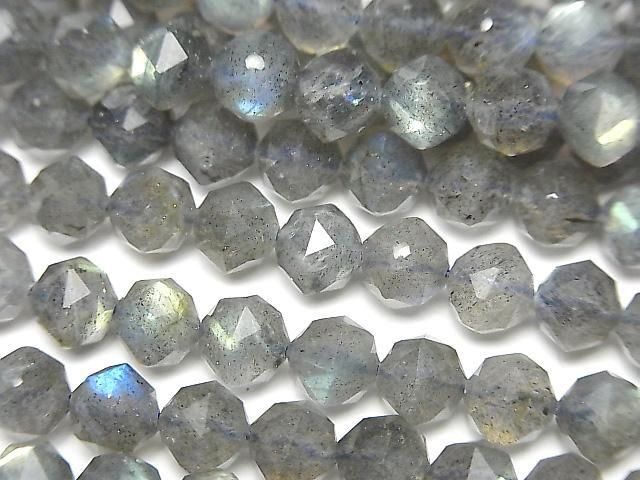
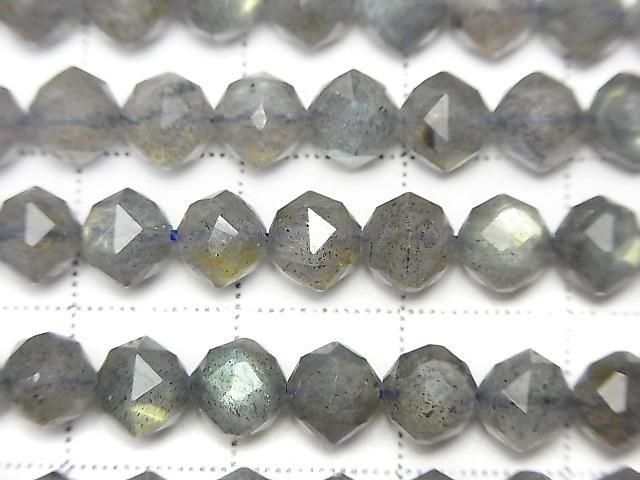
Pour les fabricants de bijoux, les perles de labradorite sont un matériau gratifiant – des perles rondes de 6 à 10 mm conviennent aux bracelets de tous les jours, tandis que les grandes perles facettées ou en forme de pièce de monnaie transforment l'éclat en point focal. Inspectez les brins sous une lumière directe pour vérifier le nombre de perles qui présentent un fort éclat.
Méditer avec la labradorite
Pour méditer avec la labradorite, tenez une pierre de paume dans vos mains ou placez-en un morceau sur votre front (troisième œil) en position allongée. Commencez par quelques respirations lentes, puis fixez doucement l'éclat de la pierre avant de fermer les yeux — la couleur changeante est un objet de concentration naturel, similaire à la contemplation d'une bougie. Les praticiens utilisent la méditation avec la labradorite pour le travail intuitif, le rappel des rêves et pour calmer un esprit agité avant de dormir. Même cinq minutes par jour suffisent pour prendre l'habitude.
Comment nettoyer, purifier et entretenir la labradorite
Entretien physique : laver brièvement à l'eau tiède avec un savon doux et un chiffon doux, puis sécher — éviter les nettoyeurs à ultrasons et à vapeur, les trempages prolongés et les chocs violents (le clivage de la pierre peut s'ébrécher). Conserver séparément des gemmes plus dures comme le quartz et la topaze pour éviter les rayures.
Purification énergétique, si vous la pratiquez : la lumière lunaire est la méthode traditionnelle – et thématiquement appropriée – pour cette pierre née des aurores. La fumée, le son ou une plaque de sélénite fonctionnent également. Réduire au minimum l'exposition directe et prolongée au soleil pour protéger le poli.
Comment distinguer la vraie labradorite de la fausse
La vraie labradorite est facile à vérifier une fois que vous connaissez son comportement caractéristique :
- Éclat directionnel : une labradorescence authentique apparaît et disparaît lorsque vous inclinez la pierre. Les imitations (verre revêtu AB, pierres à feuille d'aluminium ou revêtements irisés « mystiques ») scintillent uniformément sous tous les angles.
- Regardez à l'intérieur : les vraies pierres montrent un éclat provenant de couches internes, souvent avec des lignes naturelles ou des inclusions ; le verre peut contenir des bulles d'air rondes.
- Couleur du corps : le matériau authentique est gris à noir (ou blanc laiteux pour la pierre de lune arc-en-ciel) — les couleurs vives teintes sont un signal d'alarme.
- Ne la confondez pas avec l'opalite : le « opale de mer » bleu lumineux vendu dans les boutiques de perles est du verre fabriqué par l'homme, pas de la labradorite.
- Achetez auprès de fournisseurs qui nomment le matériau et sa source.
Foire aux questions sur la labradorite
À quoi sert la labradorite ?
La labradorite est utilisée pour soutenir l'intuition, la protection et la confiance en période de changement. Les gens la portent, méditent avec elle ou la gardent dans leur espace comme un rappel du potentiel caché – de la même manière que sa surface grise cache une couleur brillante.
La labradorite peut-elle aller dans l'eau ?
Brièvement, oui – un rinçage rapide avec un savon doux est acceptable. Évitez les trempages prolongés, l'eau salée et les nettoyeurs à ultrasons, qui peuvent solliciter le clivage naturel de la pierre et ternir le poli.
À quel chakra la labradorite est-elle associée ?
Principalement le chakra du troisième œil (intuition) et le chakra de la gorge (expression de soi) ; certains praticiens la relient également au chakra de la couronne.
La labradorite est-elle rare ou chère ?
La labradorite standard est abondante et abordable — la plupart des perles et cabochons coûtent quelques dollars. Le spectrolite finlandais et les pierres avec un éclat à spectre complet ou violet sont plus rares et plus chers.
Pourquoi ma labradorite ne brille-t-elle que sous certains angles ?
C'est normal — et une preuve de son authenticité. La labradorescence provient de l'interférence de la lumière avec de fines couches à l'intérieur de la pierre, donc l'éclat n'apparaît que lorsque la lumière frappe ces couches sous le bon angle.
Comment puis-je savoir si ma labradorite est réelle ?
Inclinez-la sous une source de lumière : la vraie labradorite scintille de manière directionnelle, présente une couleur interne et a un corps gris à noir (ou blanc laiteux). Un scintillement uniforme et indépendant de l'angle ou des bulles d'air indiquent un verre enduit ou fabriqué par l'homme.
Acheter des perles, des cabochons et des pierres de labradorite en vrac chez KenKenGems
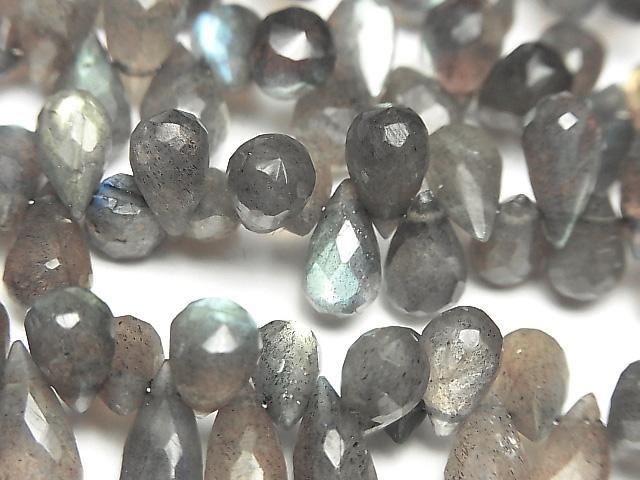
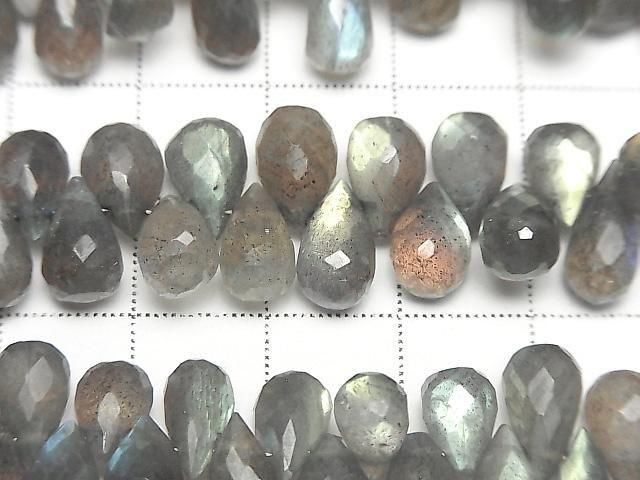
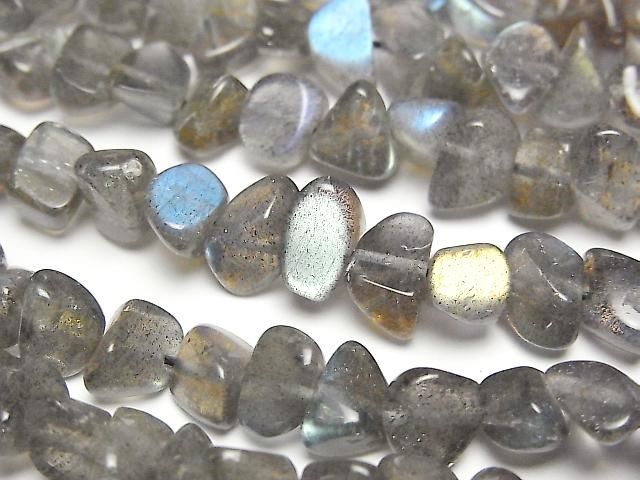
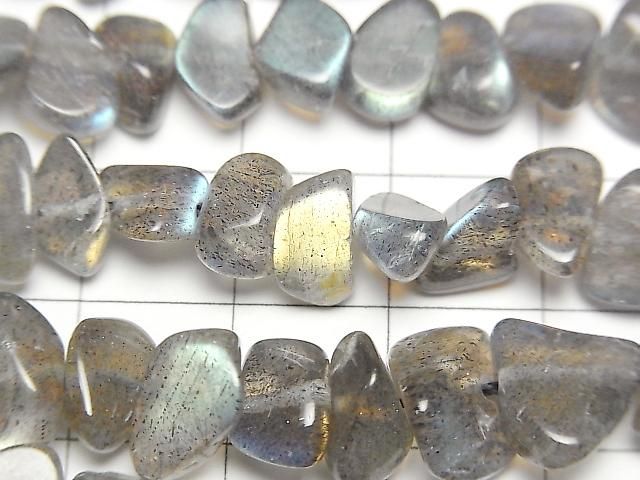
Prêt à intégrer l'éclat de la labradorite dans vos créations ? KenKenGems est un fournisseur de perles de pierres précieuses basé au Japon, reconnu par les fabricants de bijoux du monde entier. Chaque brin de labradorite que nous proposons est sélectionné à la main pour la force et la couverture de sa labradorescence. Vous trouverez :
- Des brins de perles de labradorite — rondes, taillées, en forme de pièces de monnaie et fantaisie.
- Des cabochons à éclat bleu et à éclat complet pour les bagues et les pendentifs.
- Des collections de Spectrolite, de pierre de lune arc-en-ciel, de pierre de soleil et d'andésine.
Les prix sont indiqués en USD et nous livrons aux États-Unis et au Canada.


![[Pièce unique] Labradorite arc-en-ciel AAA - Pendentif sculpté 18KGP No.47](http://store.kenkengems.com/cdn/shop/files/188884554_f452c0bc-50a0-4a00-8209-7b6684280aea.jpg?v=1761034492&width=640)
![[Pièce unique] Labradorite arc-en-ciel AAA - Pendentif sculpté 18KGP No.47](http://store.kenkengems.com/cdn/shop/files/188884554_o1_b1012856-af2d-4aca-9f54-edb7fc712df5.jpg?v=1761034497&width=640)
![Labradorite AA++ sertie clos forme libre taille rose [une face] 18KGP 3 pièces](http://store.kenkengems.com/cdn/shop/files/189227866.jpg?v=1764058011&width=640)
![Labradorite AA++ sertie clos forme libre taille rose [une face] 18KGP 3 pièces](http://store.kenkengems.com/cdn/shop/files/189227866_o1.jpg?v=1764058097&width=640)
![[Pièce unique] Pendentif en Labradorite Arc-en-ciel AAA - Sculpté, Plaqué Or 18K N°46](http://store.kenkengems.com/cdn/shop/files/188884552_c14dbb39-7345-466b-a59d-9dad3ac121cb.jpg?v=1761034480&width=640)
![[Pièce unique] Pendentif en Labradorite Arc-en-ciel AAA - Sculpté, Plaqué Or 18K N°46](http://store.kenkengems.com/cdn/shop/files/188884552_o1_56a9f803-a331-43cb-88a9-2e6846bc1e98.jpg?v=1761034485&width=640)
![[Pièce unique] Labradorite bleue AAA Cabochon 1 pièce n°14](http://store.kenkengems.com/cdn/shop/files/190101837.jpg?v=1772535233&width=640)
![[Pièce unique] Labradorite bleue AAA Cabochon 1 pièce n°14](http://store.kenkengems.com/cdn/shop/files/190101837_o1.jpg?v=1772535219&width=640)
![Labradorite AA++ sertie clos, taille libre, taille rose [une face] 18KGP 2 pièces](http://store.kenkengems.com/cdn/shop/files/189227991.jpg?v=1764058023&width=640)
![Labradorite AA++ sertie clos, taille libre, taille rose [une face] 18KGP 2 pièces](http://store.kenkengems.com/cdn/shop/files/189227991_o1.jpg?v=1764058017&width=640)
![[Pièce unique] Labradorite Bleue AAA Cabochon 1pc N°40](http://store.kenkengems.com/cdn/shop/files/190618372.jpg?v=1772526953&width=640)
![[Pièce unique] Labradorite Bleue AAA Cabochon 1pc N°40](http://store.kenkengems.com/cdn/shop/files/190618372_o1.jpg?v=1772526939&width=640)
![[Pièce unique] Cabochon labradorite bleue AAA 1pc No.38](http://store.kenkengems.com/cdn/shop/files/190618370.jpg?v=1772527012&width=640)
![[Pièce unique] Cabochon labradorite bleue AAA 1pc No.38](http://store.kenkengems.com/cdn/shop/files/190618370_o1.jpg?v=1772526998&width=640)


