TOC
- 1. What Is Howlite?
- 2. Howlite Meaning and Symbolism
- 3. Howlite Spiritual Meaning
- 3-1. Crown Chakra and Higher Awareness
- 3-2. Calm, Patience, and Self-Awareness
- 4. Physical and Chemical Properties of Howlite
- 5. Howlite Healing Properties and Benefits
- 5-1. Emotional and Mental Benefits
- 5-2. Sleep and Overthinking
- 5-3. Physical Associations (Traditional)
- 6. White Howlite vs. Dyed Howlite (and "Turquenite")
- 7. Howlite vs. Magnesite and Turquoise
- 8. How to Use Howlite
- 9. How to Cleanse and Care for Howlite
- 10. Choosing Howlite Beads for Jewelry Making
- 11. Howlite FAQ
- 11-1. What is howlite good for?
- 11-2. Is howlite a real stone or fake?
- 11-3. Can howlite go in water?
- 11-4. Is howlite the same as white turquoise?
- 11-5. What chakra is howlite?
- 12. Shop Howlite at KenKenGems

Howlite magnésite en gros pour la fabrication de bijoux
114products available in this collection.
Shop NowWhat Is Howlite?
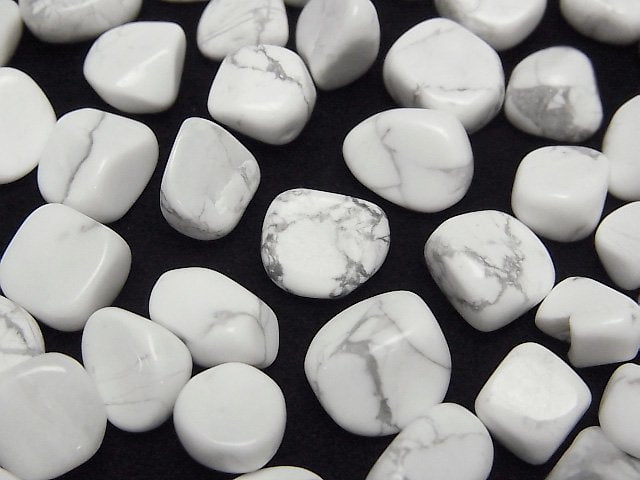
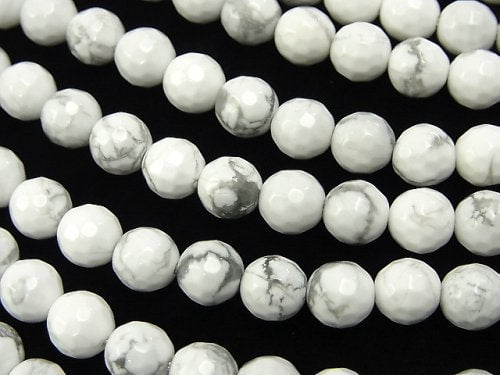
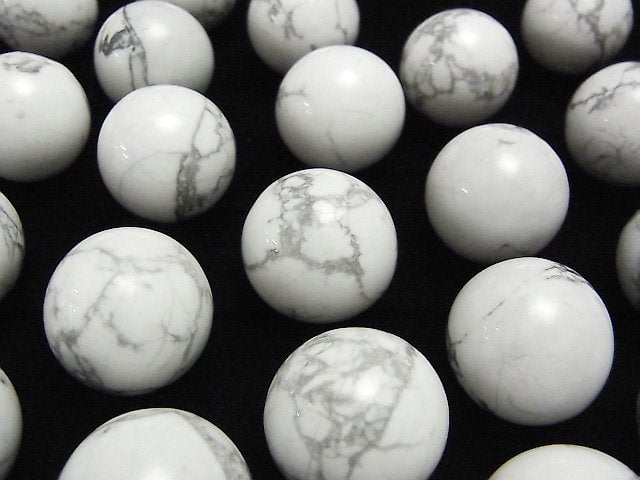
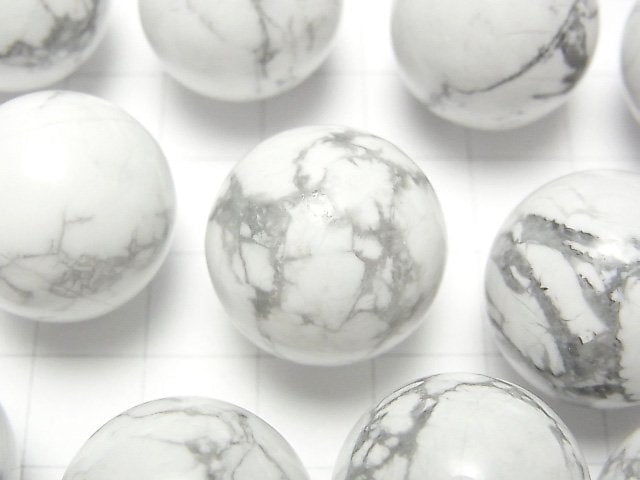
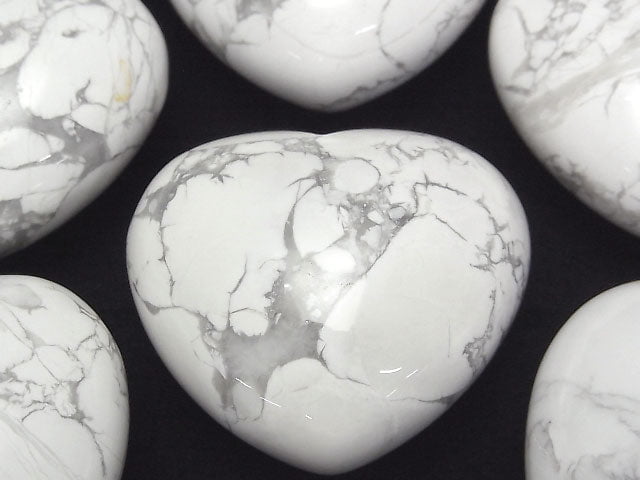
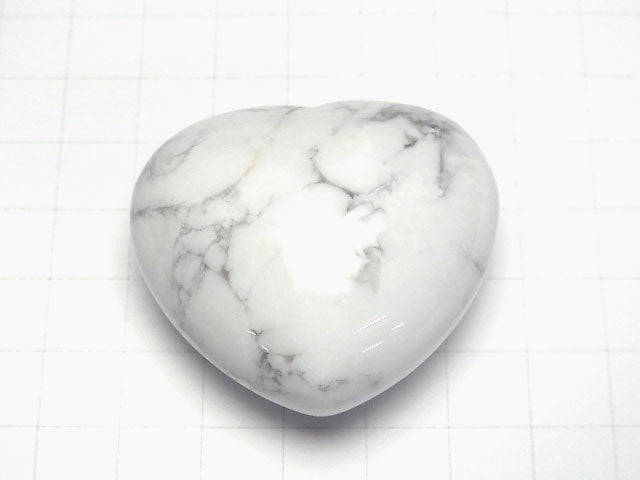
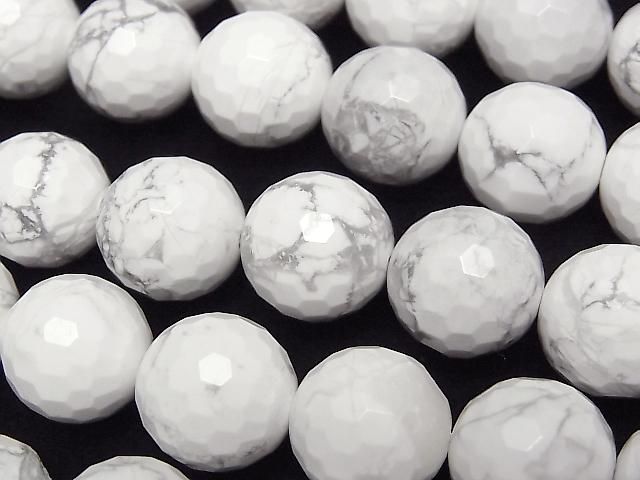
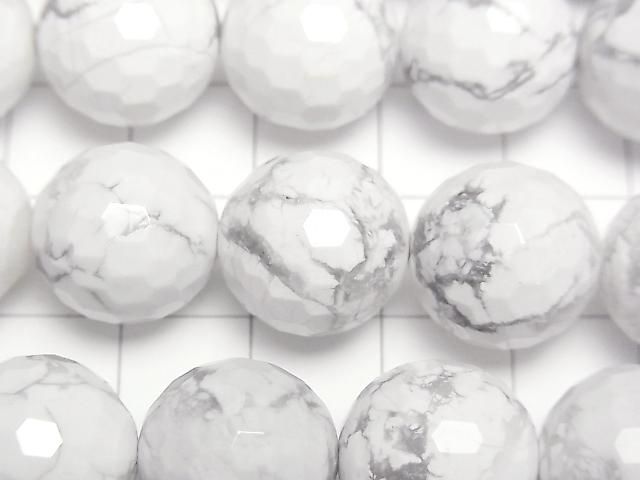
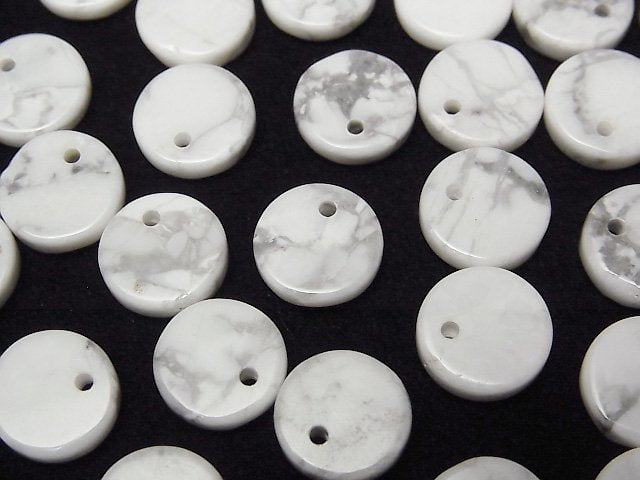
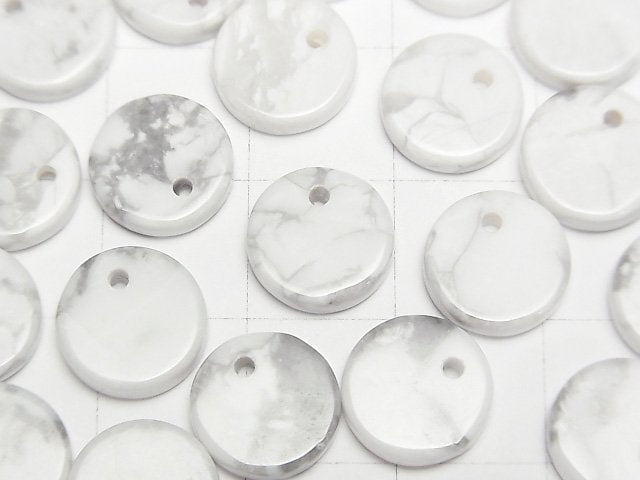
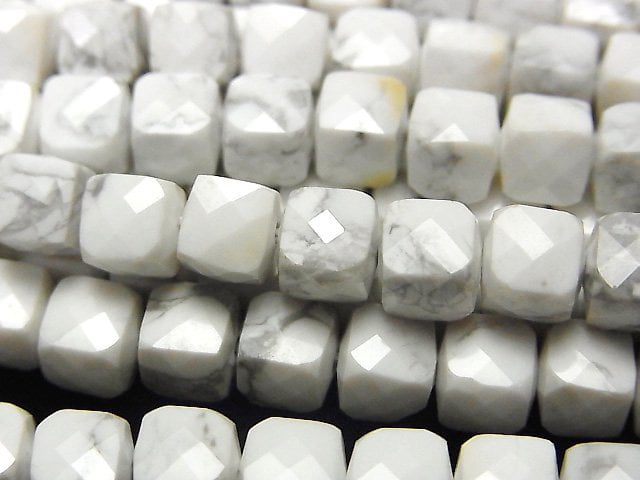
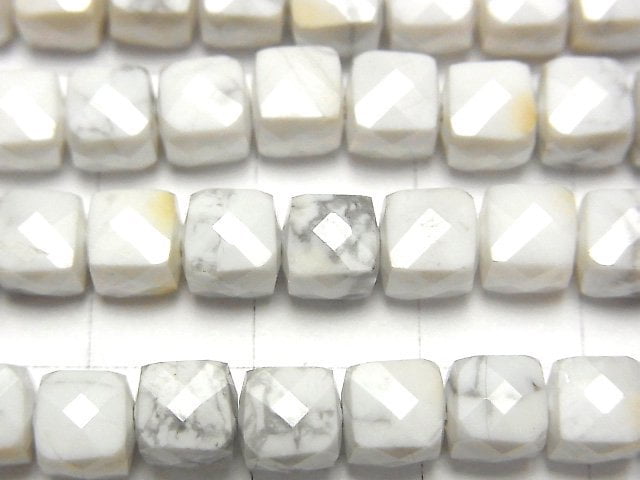
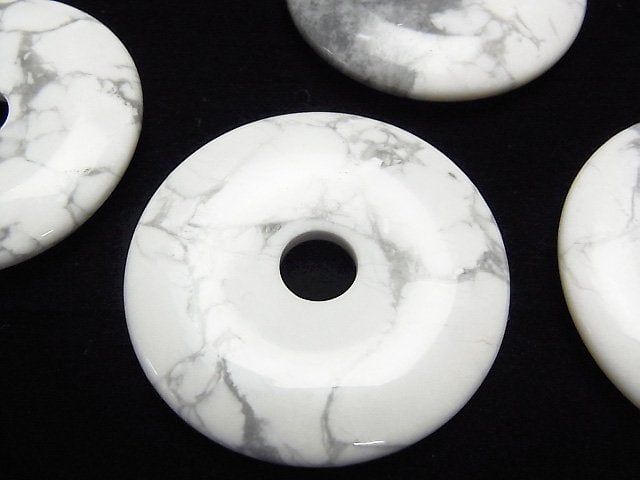
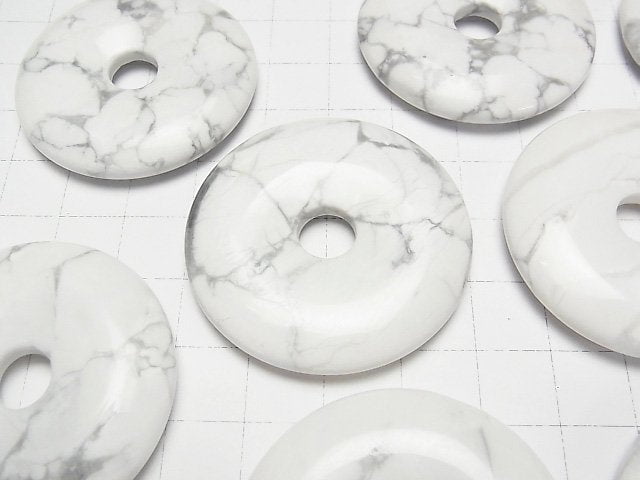
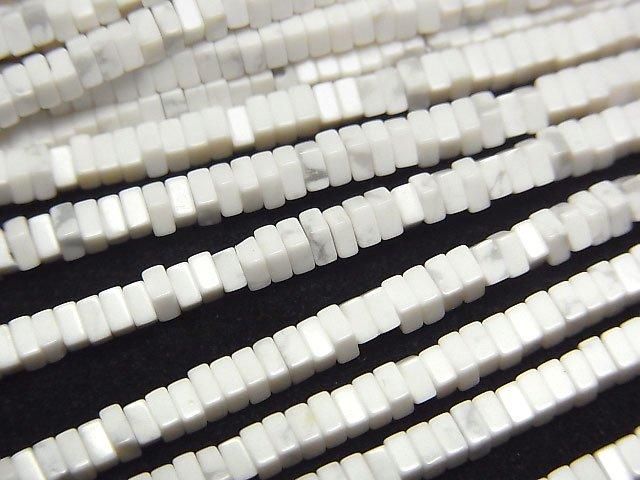
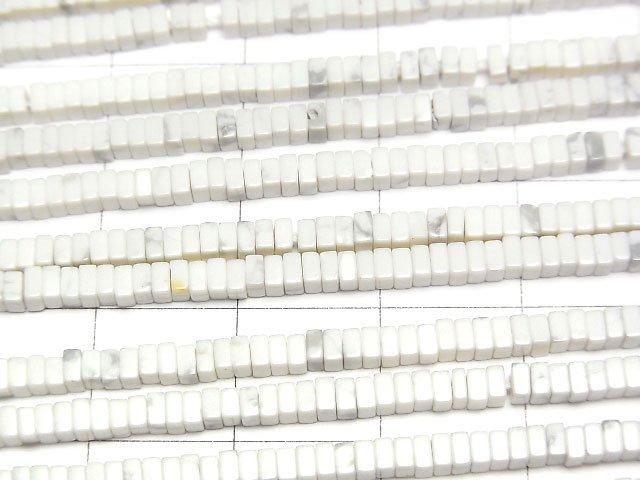
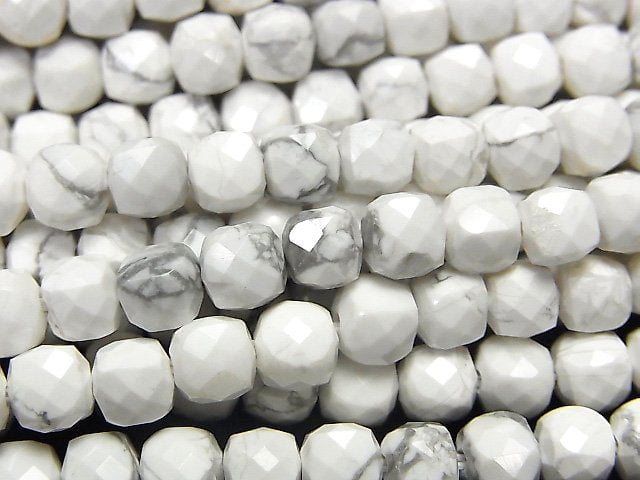
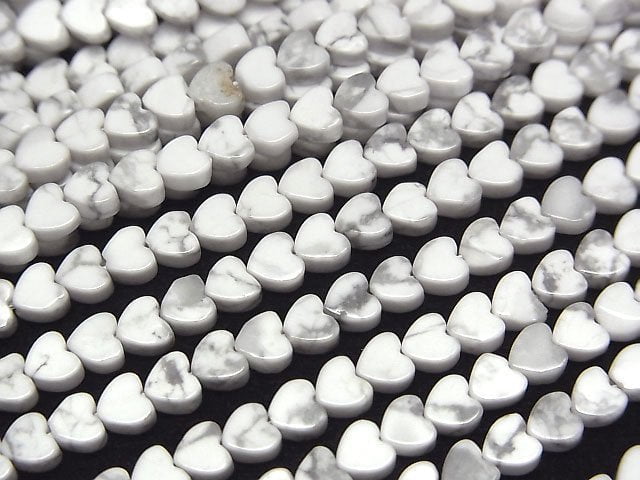
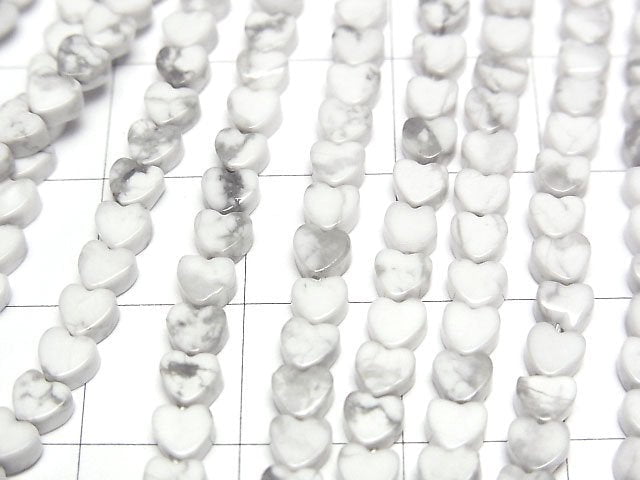
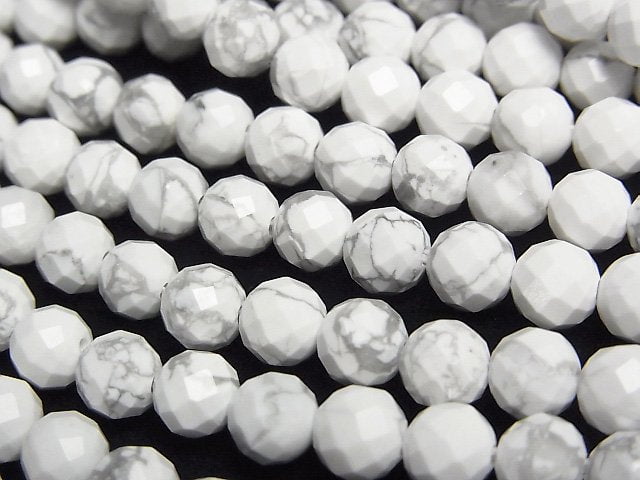
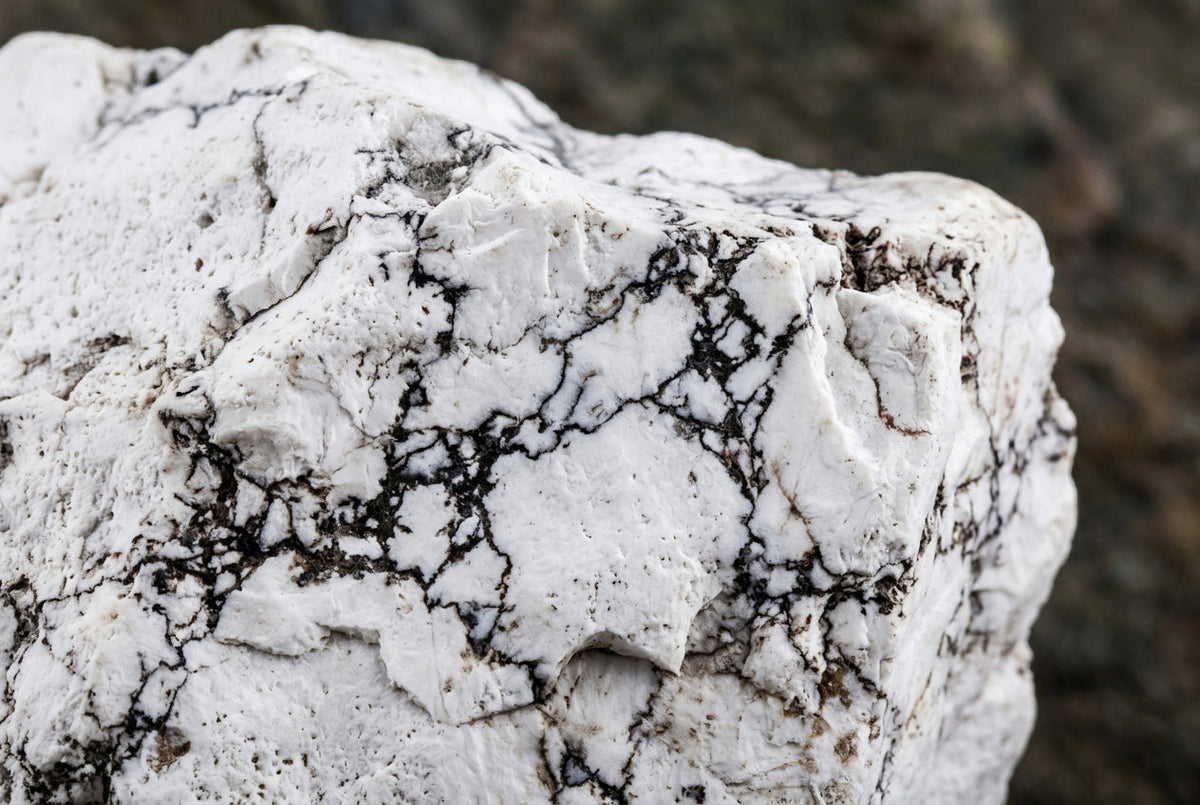
Howlite is a soft, white-to-cream stone with distinctive gray or brown web-like veining, best known in crystal traditions as a stone of calm, patience, and quiet awareness. Because it is naturally porous and pale, it is also one of the most frequently dyed stones on the market—often colored blue and sold as imitation turquoise. In this guide, you'll learn what howlite is, what it means, its physical and metaphysical properties, how to tell natural white howlite from dyed material, and how to use, cleanse, and choose howlite for jewelry making.

So, what is howlite? Howlite is a borate mineral—more precisely a basic calcium silicoborate (chemical formula Ca₂B₅SiO₉(OH)₅). As a howlite gemstone it typically forms in white or cream nodules marked by fine gray-to-brown veining that resembles marble or a spider web. Because it is relatively soft and porous, howlite readily absorbs dye, which is central to how it is used and sold today.
| Property | Detail |
|---|---|
| Category | Borate mineral (calcium borosilicate) |
| Chemical formula | Ca₂B₅SiO₉(OH)₅ |
| Mohs hardness | 3–3.5 (soft) |
| Crystal system | Monoclinic |
| Color | White to cream with gray/brown veining |
| Luster | Vitreous to dull (subvitreous when polished) |
| Chakra | Crown |
| Zodiac | Gemini |
| Main sources | Canada (Nova Scotia), United States (California), Turkey, Mexico, and others |
Howlite was first described in 1868 by Henry How, a chemist and geologist in Nova Scotia, Canada, and later named in his honor by the mineralogist James Dwight Dana. Natural, undyed material is often called "white howlite" to distinguish it from the dyed blue stones frequently marketed as turquoise. Whether you see it labeled as a howlite crystal, a howlite stone, or simply howlite stones on a strand, it is the same soft white mineral underneath.
Howlite Meaning and Symbolism
Howlite's meaning centers on calm, patience, and clarity of mind. In crystal traditions the howlite meaning is often summed up as a "stone of stillness"—valued for cooling strong emotions such as anger or frustration and for quieting a busy, overthinking mind.
Its pale color and gentle veining reinforce this symbolism: where a dark stone like obsidian is associated with protection and grounding, white howlite is associated with mental space, self-awareness, and a slower, more patient outlook. This is why the howlite stone meaning is so often described in terms of composure. Many people keep a howlite crystal on a desk or in a pocket as a reminder to pause and respond calmly rather than react—an everyday version of the howlite crystal meaning many practitioners describe.

Howlite Spiritual Meaning
The spiritual meaning of howlite revolves around mental calm and higher awareness. The howlite spiritual meaning is closely tied to stilling mental chatter, which makes it a popular stone for meditation, mindfulness, and any moment when you want to slow down and listen. In many crystal traditions it is considered a bridge between everyday awareness and a calmer, more reflective state of mind.
Crown Chakra and Higher Awareness
Howlite is most often linked to the crown chakra, the energy center associated with awareness, perspective, and connection to something larger than the self. Practitioners use white howlite in meditation to feel more mentally open and receptive, and to quiet distracting thoughts.
Calm, Patience, and Self-Awareness
Beyond meditation, howlite is traditionally associated with patience and emotional balance—cooling quick tempers and encouraging a measured response. Many people also keep a piece by the bed, since howlite is a classic crystal-tradition choice for calming an overactive mind at night.
Please note: these are traditional metaphysical beliefs, not medical or scientific facts. Howlite is not a treatment for anxiety, insomnia, or any health condition; for medical or psychological concerns, always consult a qualified professional.

Physical and Chemical Properties of Howlite
Among howlite properties, the most practical one to remember is that it is soft—Mohs 3–3.5—so it scratches easily and needs gentle handling. The physical properties of howlite also include an opaque, white-to-cream body with characteristic gray or brown veins caused by trace minerals in the surrounding rock.
| Property | Detail |
|---|---|
| Chemical composition | Basic calcium silicoborate, Ca₂B₅SiO₉(OH)₅ |
| Crystal system | Monoclinic |
| Hardness | 3–3.5 (Mohs) |
| Luster | Vitreous to dull |
| Fracture | Conchoidal to even |
| Cleavage | None |
| Specific gravity | ~2.53–2.59 |
Because howlite is soft and porous, it takes dye extremely well. That single fact explains much of what you see in the market: natural howlite is white, but dyed howlite appears in blue, green, and other colors—more on that below.
Howlite Healing Properties and Benefits
In crystal healing traditions, howlite is prized above all as a calming stone. The healing properties of howlite focus on the mind and emotions rather than the body, and this gentle, cooling character is what most people mean when they talk about howlite healing properties or howlite metaphysical properties. The sections below outline the benefits most often associated with a howlite crystal, all of which are traditional beliefs rather than proven effects.
Emotional and Mental Benefits
Commonly cited howlite benefits and howlite crystal benefits include:
- Calming anger, frustration, and heightened emotions
- Easing stress and a racing, overthinking mind
- Encouraging patience, tact, and thoughtful communication
- Supporting focus and memory during study or concentration
These are traditional associations rather than proven effects, and they describe how people choose to work with the stone—not a medical outcome.
Sleep and Overthinking
Howlite is one of the stones most associated with restful sleep in crystal tradition. Because it is linked to calming mental chatter, many people place a piece on a bedside table or under a pillow when their thoughts feel too busy at night.
Physical Associations (Traditional)
In folk and crystal-healing traditions, howlite is sometimes associated with the absorption of tension and with supporting calm, steady energy. There is no scientific evidence that howlite affects physical health, and it should never replace professional medical care.

White Howlite vs. Dyed Howlite (and "Turquenite")
Natural howlite is white to cream with gray or brown veining. Because it is porous and inexpensive, it is very often dyed—most famously a turquoise blue and sold under names like "turquenite" or "white turquoise." Dyed howlite is also colored to imitate lapis lazuli, red coral, and other stones.
Dyed howlite is not fake howlite—it is real howlite that has been colored—but it should be sold as dyed, not as genuine turquoise. A few practical tells: natural turquoise usually costs far more than a similarly sized howlite bead; dyed howlite often shows color concentrated in the veins and cracks; and a hidden or drilled surface may reveal the white body beneath the dye. In crystal traditions the white howlite meaning stays the same whether the stone is left natural or dyed—calm, patience, and clarity—since the color is added on top of the same white mineral.
Howlite vs. Magnesite and Turquoise
Howlite is easy to confuse with a few other white or blue stones:
| Stone | What it is | Mohs | How to tell it apart |
|---|---|---|---|
| Howlite | Calcium borosilicate | 3–3.5 | White with gray/brown veins; does not fizz in dilute acid |
| Magnesite | Magnesium carbonate | 3.5–4.5 | Very similar look, but fizzes (effervesces) in dilute acid |
| Turquoise | Copper aluminium phosphate | 5–6 | Harder; natural turquoise is far more valuable than dyed howlite |
The classic laboratory test: magnesite reacts (fizzes) with dilute hydrochloric acid, while howlite does not. For most buyers, though, the more useful checks are price, veining pattern, and whether the seller discloses dye.
How to Use Howlite
The simplest way to work with howlite is to wear it—as a bracelet, necklace, or pendant—so its calming association stays with you through the day. Because it is soft, it is better suited to earrings, pendants, and beads than to rings that take daily impact.
At home, many people keep howlite on a desk to encourage calm focus, or by the bed to quiet the mind before sleep. For meditation, hold a smooth tumbled stone in your palm and let your breathing slow. Jewelry makers often pair white howlite with soft metals and pastel stones for a serene, minimalist look, or dye it to add color to a design.

How to Cleanse and Care for Howlite
Howlite needs gentler care than most crystals because it is soft (Mohs 3–3.5) and often dyed. Clean it with a soft, slightly damp cloth—never ultrasonic or steam cleaners, and avoid harsh chemicals, which can strip dye or damage the surface. Keep howlite out of prolonged water and away from perfumes and cleaning products, and store it separately so harder stones don't scratch it.
Be especially careful with dyed howlite: strong light and moisture can cause the color to fade over time. For energetic cleansing, favor gentle methods such as sound, moonlight, or smoke rather than salt water or long soaks.
Choosing Howlite Beads for Jewelry Making
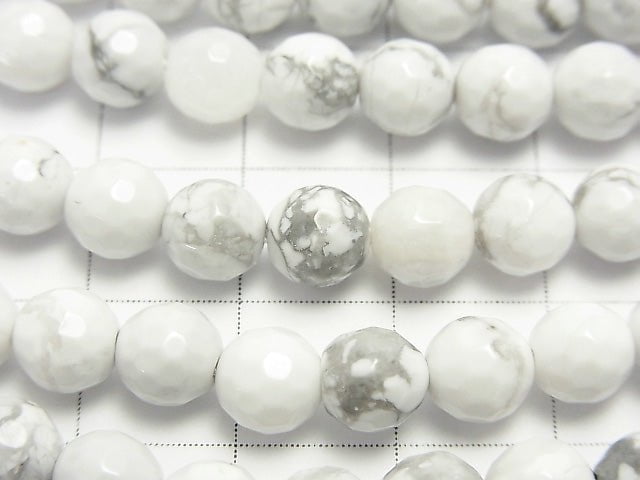
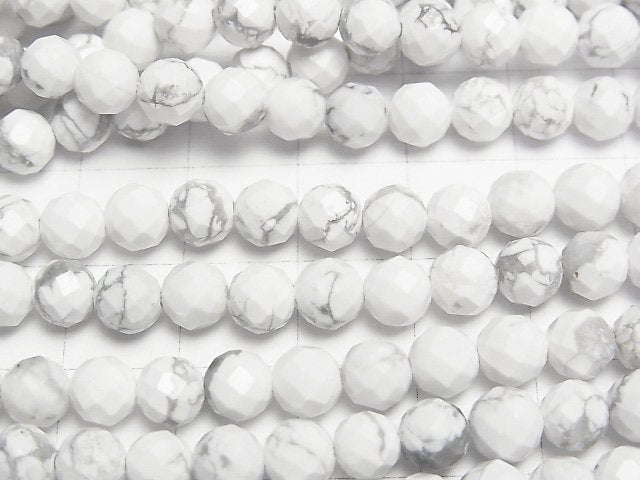
As a gemstone bead wholesaler since 2006, here's what we look at when grading howlite. For natural white howlite, look for an even, bright body with attractive, well-defined veining and a clean, consistent polish. Check that drill holes are smooth and centered—soft stones can chip at the hole if drilled roughly.
If you are buying colored howlite, make sure it is described as dyed rather than as turquoise, and expect the color to be strongest along the veins. Popular sizes for bracelets and necklaces are 6 mm to 10 mm rounds. Because howlite is very affordable, howlite stones make a great base for calming, minimalist designs—pair natural white howlite with silver or soft gold-toned findings for a clean, modern look.

Howlite FAQ

What is howlite good for?
Howlite is traditionally used as a calming stone—for easing stress, cooling anger, encouraging patience, and quieting an overactive mind before sleep. People wear it as jewelry or keep it nearby as a reminder to slow down. These are traditional beliefs, not medical claims.
Is howlite a real stone or fake?
Howlite is a genuine natural mineral. The confusion comes from dyeing: natural howlite is white, but it is often dyed blue and sold as imitation turquoise. Dyed howlite is still real howlite—just colored—so the key is that it should be described as dyed, not as turquoise.
Can howlite go in water?
Brief contact with water is generally fine for natural howlite, but it is soft and porous, so avoid long soaks, and never soak dyed howlite—water and prolonged exposure can cause the dye to fade or bleed.
Is howlite the same as white turquoise?
No. "White turquoise" or "turquenite" is usually dyed or natural howlite, not turquoise. Genuine turquoise is a different, harder mineral (copper aluminium phosphate) and is typically far more valuable.
What chakra is howlite?
Howlite is most often associated with the crown chakra, linked to awareness and calm perspective. Some traditions also connect white howlite to the third-eye chakra for intuition and mental clarity.
Shop Howlite at KenKenGems
Looking to work with howlite? KenKenGems stocks natural white howlite and dyed howlite as beads, loose stones, and cabochons—quality-graded, priced in USD, and shipped worldwide from Japan (free shipping on orders over USD $300). Browse the howlite collection to find the right size, color, and finish for your next design. You may also like our guides to related stones—turquoise, lapis lazuli, and amazonite—and every KenKenGems lot is graded under our transparent Quality Rating system.