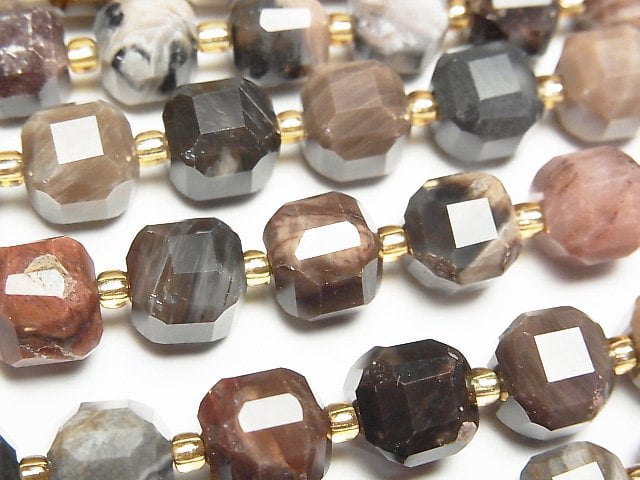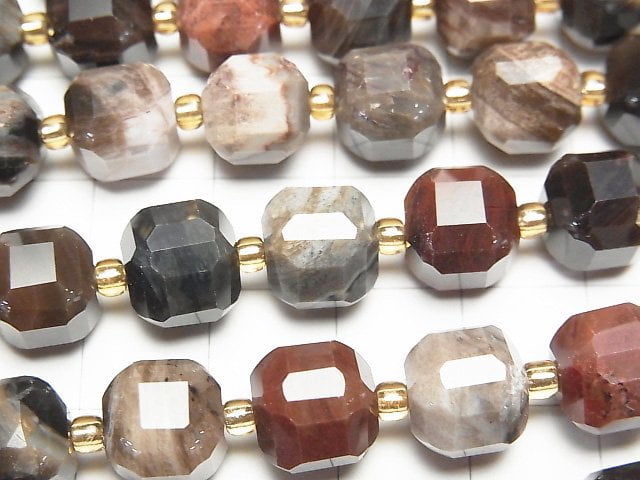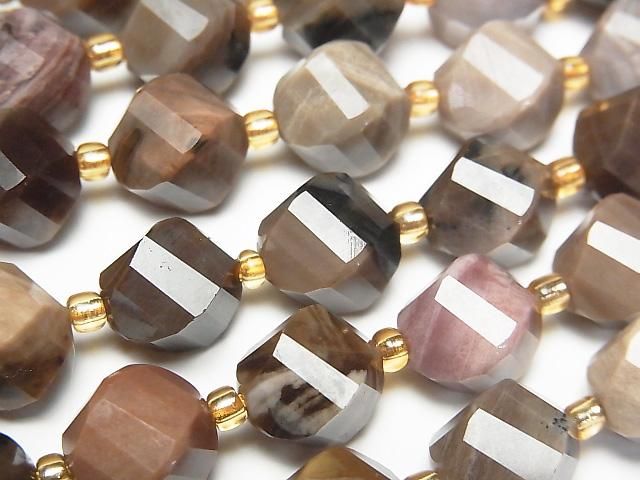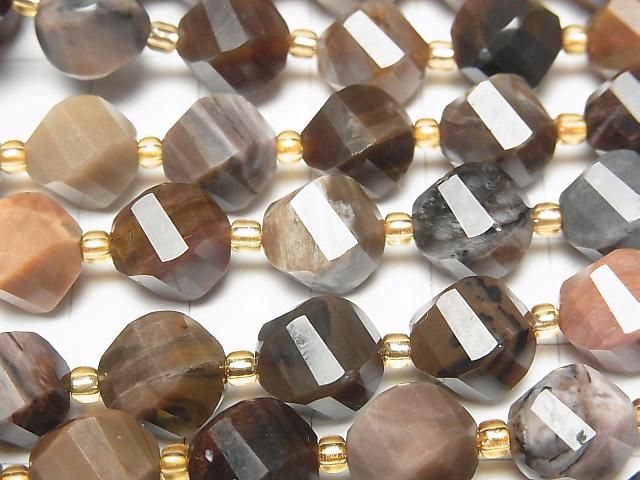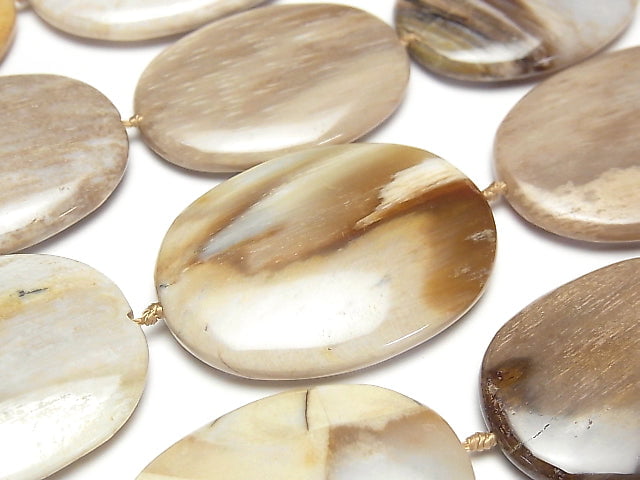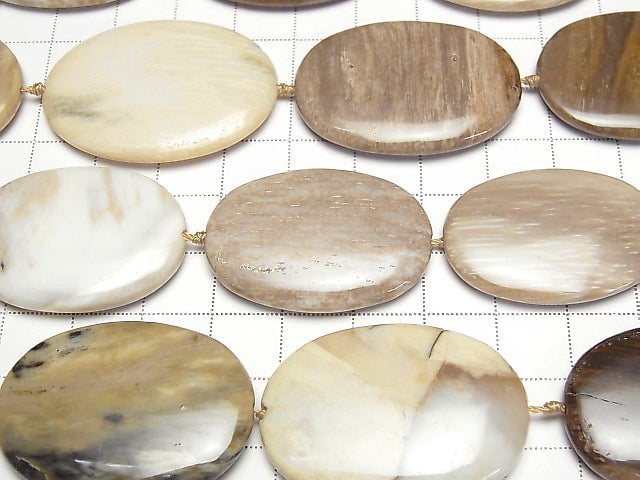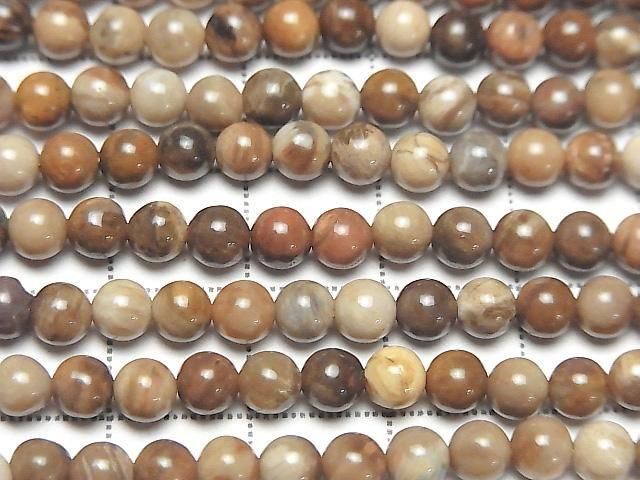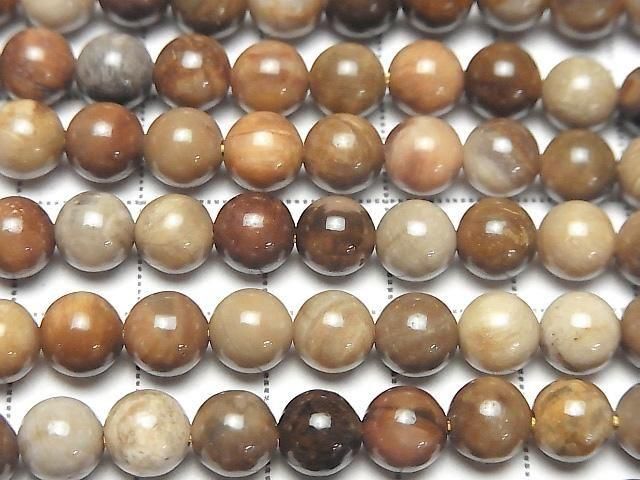

TOC
- 1. What Is Petrified Wood? Definition and Meaning at a Glance
- 1-1. Petrified Wood Quick Facts
- 1-2. Is Petrified Wood a Crystal or a Fossil?
- 2. How Petrified Wood Forms (Permineralization)
- 3. Petrified Wood Meaning and Symbolism
- 3-1. Petrified Wood Spiritual Meaning
- 4. Petrified Wood Physical and Chemical Properties
- 4-1. Petrified Wood Crystals: Wood With Quartz, Amethyst, and Druzy
- 5. Arizona's Petrified Forest: A World-Renowned Source
- 6. Petrified Wood Healing Properties and Benefits
- 6-1. Grounding, Stability, and Patience
- 6-2. Emotional Balance and Letting Go
- 7. Petrified Wood Metaphysical Properties
- 7-1. Root Chakra Connection
- 7-2. Zodiac Signs and Birthstone Connections
- 8. Types and Colors of Petrified Wood
- 9. Where Is Petrified Wood Found?
- 10. How to Use Petrified Wood
- 10-1. Petrified Wood Jewelry: Wearing and Making It
- 10-2. Carrying, Placement, and Intention Practices
- 11. How to Clean, Cleanse, and Care for Petrified Wood
- 12. How to Tell If Petrified Wood Is Real
- 13. Petrified Wood Value: How Much Is It Worth?
- 14. Frequently Asked Questions About Petrified Wood
- 14-1. Is petrified wood a crystal or a fossil?
- 14-2. How old is petrified wood?
- 14-3. What is petrified wood made of?
- 14-4. Why is petrified wood so colorful?
- 14-5. Is petrified wood dyed or treated?
- 14-6. What is the difference between agatized and opalized wood?
- 14-7. Can petrified wood get wet?
- 14-8. Can you collect petrified wood yourself?
- 14-9. What chakra is petrified wood associated with?
- 15. Shop Petrified Wood Beads, Cabochons, and Loose Stones at KenKenGems

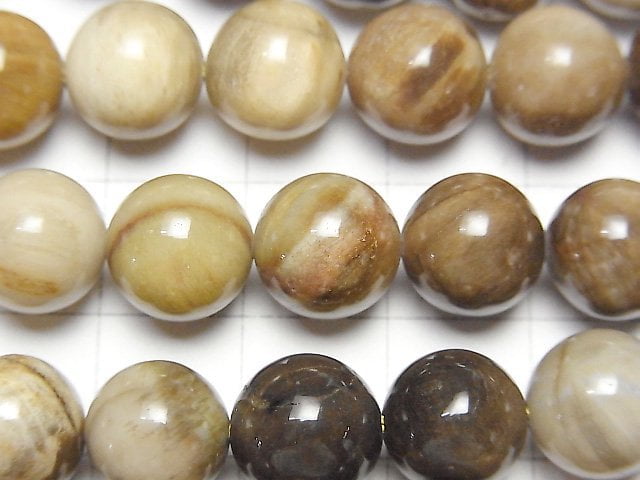
Bois pétrifié en gros pour la fabrication de bijoux
23products available in this collection.
Shop NowWhat Is Petrified Wood? Definition and Meaning at a Glance
By definition, petrified wood is fossilized wood — an ancient tree in which the original organic plant tissue has been slowly replaced, cell by cell, by minerals (mostly silica in the form of quartz and chalcedony, and sometimes opal). The word *petrified* comes from the Latin and Greek root *petra*, meaning "stone," so the name literally means "turned to stone." The result is a genuine fossil of organic origin that is also hard, polishable silica, often preserving the original growth rings and bark in remarkable detail.
In crystal traditions, petrified wood is described as a grounding stone — associated with stability, patience, endurance, and a sense of connection to the earth and the passage of time. These are traditional beliefs, not medical claims. Its colors range from earthy brown and tan to red, black, and even rare blues, and because it takes a fine polish it is popular for beads, cabochons, and display specimens alike.

Petrified Wood Quick Facts
| Property | Detail |
|---|---|
| Material | Fossilized (silicified) wood — mostly quartz and chalcedony, sometimes opal, with trace minerals |
| Type | A fossil of organic origin (an ancient tree), now composed of silica |
| Color | Brown, tan, red, yellow, orange, black, gray, white; occasionally green or blue |
| Hardness (Mohs) | 6.5–7 (quartz-hard) |
| Character | Opaque; preserves original wood grain, rings, and bark texture |
| Common treatments | Some colorful material is dyed; some slabs are stabilized/resin-filled — reputable sellers disclose this |
| Chakra (folklore) | Root |
| Zodiac (folklore) | Not a traditional birthstone; modern lore links it to earth-associated signs (e.g., Virgo, Leo) |
| Name Origin | From *petra* (Latin/Greek, "stone") — literally "turned to stone" |
| Main Sources | USA (Arizona), Argentina, Indonesia, Madagascar, Egypt, Australia |
| Keywords (folklore) | Grounding, patience, transformation, stability |
| Good to Know | It is both a fossil and a quartz material; some pieces are over 200 million years old |
Is Petrified Wood a Crystal or a Fossil?
Both — and that dual nature is exactly what makes it special. Petrified wood is a true fossil: the preserved remains of a tree that lived, in some cases, hundreds of millions of years ago. But the material that replaced the wood is crystalline quartz and chalcedony (silicon dioxide), so the finished stone is also, quite literally, a silica crystal material.
In practical terms, this means petrified wood behaves like quartz — it is hard, durable, and takes a high polish — while still carrying the grain, rings, and texture of the original tree. So if you have seen it filed under "fossils" in one place and "crystals" in another, both are correct.
How Petrified Wood Forms (Permineralization)
Petrification is a slow, fortunate accident of geology. It generally unfolds in four stages:
- Rapid burial — a fallen tree is quickly covered by sediment, mud, or volcanic ash, sealing it away from oxygen and slowing the decay that would normally rot it away.
- Mineral-rich water — groundwater carrying dissolved silica, often from volcanic ash, seeps through the buried wood.
- Mineral deposition — the silica precipitates inside the wood's cells and pores; molecule by molecule, organic tissue is replaced by quartz and chalcedony while the cellular structure is preserved.
- Uplift and exposure — after millions of years, erosion finally returns the now-stone log to the surface.
Geologists call this mineral-replacement process permineralization (and, when silica is the mineral involved, silicification). It is why a petrified log can feel and weigh like solid rock yet still show the fine grain of a tree — down to individual cell walls under a microscope. Because volcanic ash is such a rich source of dissolved silica, many of the world's great petrified wood deposits sit in regions of ancient volcanic activity.
When the silica crystallizes as microcrystalline chalcedony or agate, the result is called agatized wood; when the replacing mineral is opal (hydrated silica), it is called opalized wood. Both are true petrified wood — the terms simply describe which form of silica did the preserving.
Petrified Wood Meaning and Symbolism
The core theme associated with petrified wood is transformation through time. It began as something living and became something permanent, which is why much of its traditional symbolism circles around patience, endurance, and steady, grounded growth.
In modern crystal practice, petrified wood is traditionally associated with:
- Grounding, stability, and feeling rooted
- Patience and slow, steady progress toward long-term goals
- Transformation, resilience, and endurance
- A calming connection to nature, the earth, and the deep past
- Letting go of what no longer serves you
One honest note on the framing: practitioners generally describe petrified wood as a stone that helps you slow down and stay steady, rather than something that changes your circumstances on its own. These are traditional beliefs, not medical claims.
Petrified Wood Spiritual Meaning
Spiritually, petrified wood is regarded in crystal lore as a stone of grounding and quiet strength. Practitioners describe its energy as slow, stabilizing, and reassuring — traditionally associated with feeling anchored in the present and with cultivating patience during long or uncertain periods. Because it links the living (a tree) with the permanent (stone), many people connect it with ancestry, deep time, and a sense of perspective — a reminder that meaningful change is often gradual. A piece is often kept in the home, garden, or workspace as a symbol of steady, unhurried growth. These are traditional beliefs, not medical claims.
Petrified Wood Physical and Chemical Properties
Because petrified wood is a fossil rather than a single uniform mineral, its exact properties vary from piece to piece. The values below describe typical gem-grade, silica-rich material.
| Category | Detail |
|---|---|
| Category | Fossil / silicified wood (organic origin) |
| Main Composition | Silica — quartz, chalcedony, jasper, sometimes opal |
| Chemical Basis | Silicon dioxide (SiO2), with trace elements |
| Mohs Hardness | 6.5–7 (similar to quartz) |
| Luster | Vitreous to waxy when polished |
| Transparency | Opaque |
Its quartz-level hardness is one reason petrified wood polishes so well and is durable enough for cabochons, beads, bookends, spheres, and even tabletops.
A note on treatments: natural petrified wood already comes in many colors, but a portion of the brightly colored material on the market is dyed to intensify or add color, and some thin slabs are stabilized or resin-filled to strengthen fragile, porous pieces. Neither practice is a problem when it is disclosed — but under the FTC Jewelry Guides, treatments should be stated. Reputable sellers describe whether a piece is natural or dyed, and whether it has been stabilized, so you know exactly what you are buying.

Petrified Wood Crystals: Wood With Quartz, Amethyst, and Druzy
Shoppers often search for "petrified wood crystal" or "petrified wood with crystals," and this usually means one of two things. First, because petrified wood is made largely of quartz, the whole piece is crystalline — a fossil made of crystal. Second, some specimens contain visible crystal pockets: hollows and cracks in the original log that later filled with slower-growing, well-formed quartz.
These pockets can hold sparkling clear quartz, purple amethyst, yellow citrine, or a fine layer of tiny "druzy" crystals. Pieces that combine preserved wood grain with a glittering crystal pocket are especially collectible — at Arizona's famous deposits, cracks in the ancient logs sometimes hold large, jewel-like crystals of clear quartz and amethyst.
Arizona's Petrified Forest: A World-Renowned Source
Petrified wood has one of the most memorable origin stories in the mineral world, and its most celebrated source is Petrified Forest National Park in Arizona. Most of the petrified trees there were buried more than 200 million years ago, during the Late Triassic period — a time before the great age of dinosaurs was fully underway. Many belong to an extinct conifer scientifically named *Araucarioxylon arizonicum*, and their silica-replaced trunks are prized for brilliant rainbow coloring.
There is one crucial thing to know: it is illegal to remove petrified wood from national parks such as Petrified Forest. The material you buy from reputable dealers comes from private land and commercial deposits elsewhere in the world — never from protected sites. That distinction matters both legally and ethically, and it is part of buying petrified wood responsibly.

Petrified Wood Healing Properties and Benefits
In crystal healing tradition, petrified wood is described as a grounding stone: practitioners reach for it when they want to feel steady, calm, and rooted in the present. Its energy is described as slow and stabilizing rather than stimulating — a settling weight rather than a spark. These are traditional beliefs, not medical claims.
*Important note: the properties described below reflect metaphysical traditions and personal practice, not scientific or medical fact. Crystals are not a substitute for professional medical or mental-health care, and no stone can guarantee any particular outcome. Enjoy petrified wood as part of a mindful routine.*

Grounding, Stability, and Patience
This is petrified wood's signature theme in crystal lore. Practitioners traditionally work with it to:
- Feel more grounded and present during busy or scattered days
- Cultivate patience with slow, long-term goals and projects
- Stay steady through change, transition, and uncertainty
- Foster a calm, unhurried connection to nature
- Reflect on a sense of resilience and endurance
A common practice is to keep a tumbled stone on a desk or bedside table as a physical anchor — a small, weighty reminder to slow down and take the next step calmly. These are traditional beliefs, not medical claims.
Emotional Balance and Letting Go
Beyond grounding, petrified wood is traditionally used for a sense of emotional steadiness. In crystal lore it is associated with a calmer, more measured pace and with letting go of the past to move forward at one's own speed — its whole story, after all, is about gradual transformation. Kept nearby during busy or stressful periods, it is described as a symbol of standing firm, like a tree, while things shift around you. These are traditional beliefs, not medical claims.
Petrified Wood Metaphysical Properties
Metaphysically, petrified wood is considered in crystal lore a stone of grounding and steady growth. Practitioners traditionally believe it:
- Anchors and stabilizes scattered or restless energy
- Supports patience and a long-term, "play the long game" mindset
- Strengthens a sense of connection to the earth and to nature's cycles
- Encourages resilience through slow, organic transformation
- Works well in feng shui and grounding grids, where earthy stones are placed for stability
It is traditionally paired with clear quartz to amplify intentions, amethyst for calm and clarity, and other earthy grounding stones for stability work. These are traditional beliefs, not medical claims.
Root Chakra Connection
Petrified wood is most often associated with the root chakra (Muladhara) — the energy center linked, in these traditions, to safety, stability, and feeling grounded. Its earthy brown, red, and tan tones reinforce this connection. Practitioners place a stone at the base of the body during meditation, or keep a piece underfoot or nearby while working, to encourage a settled, secure feeling. Because its energy is considered gentle and slow, it is often recommended as a beginner-friendly grounding stone. These are traditional beliefs, not medical claims.
Zodiac Signs and Birthstone Connections
Petrified wood is not a traditional birthstone. In modern crystal lore it is most often linked to earth-associated signs such as Virgo and Leo, and more broadly to anyone seeking grounding, patience, and a steadier pace. As with most crystals, traditions consider it suitable for any sign — especially during a period of change, transition, or fresh starts.
Types and Colors of Petrified Wood
Petrified wood is famous for its range of colors, and in natural material those colors come from trace impurities present when the wood fossilized:
- Red, brown, orange, yellow — from iron oxides
- Black and gray — from carbon or manganese
- Pink to purple — from manganese
- Green and blue — rarer, from trace copper, chromium, or cobalt
Common named varieties on the market include:
- Agatized wood — the silica preserved the wood as microcrystalline chalcedony/agate, giving a hard, glassy polish and often vivid banding
- Opalized wood — replaced by opal (hydrated silica); can show a softer, sometimes play-of-color sheen and is a little more fragile
- Rainbow petrified wood — vividly multi-colored material, often from Arizona; highly decorative
- Red / brown petrified wood — the most common, from iron-rich coloring
- Black petrified wood — dramatic, carbon- or manganese-influenced
- Blue petrified wood — uncommon and especially sought after
- Petrified palmwood (Palmoxylon) — from ancient palms, with distinctive "eye" or rod patterns; it is the state stone of Texas and the state fossil of Louisiana
- Araucarioxylon — the classic, colorful conifer wood of the American Southwest
One buyer's note: some intensely uniform "rainbow," blue, or purple pieces are dyed rather than naturally colored. Dye is legitimate when disclosed, so ask whether coloring is natural — natural color tends to be nuanced and uneven, while dye often pools in cracks and looks flat.
Where Is Petrified Wood Found?
Petrified wood is found on every continent, typically in areas with a history of volcanic activity and rapid ancient burial. A few of the best-known localities:
| Locality | Known for |
|---|---|
| Arizona, USA | Petrified Forest National Park — brilliant rainbow Triassic conifer wood (Araucarioxylon) |
| Wyoming, USA | "Blue Forest" agatized wood with blue chalcedony coatings |
| Washington & Oregon, USA | Ginkgo and other well-preserved species |
| Texas & Louisiana, USA | Petrified palmwood (Palmoxylon) |
| Argentina (Patagonia) | Large petrified forests with sizable logs |
| Indonesia & Madagascar | Abundant commercial deposits — most polished/carved market pieces |
| Egypt, Australia, Greece, Namibia, China | Additional historic and commercial sources worldwide |
Today, much of the polished and carved petrified wood on the market is worked from abundant commercial deposits in Indonesia and Madagascar. Because the material is cut and selected at scale, quality varies more by color, preservation, and polish than by locality — two pieces from the same region can look quite different.

How to Use Petrified Wood
What is petrified wood good for in daily life? Its uses fall into three categories: wearing it, carrying or placing it, and using it in focused practices like meditation or intention-setting. Because it is durable and widely available, it is one of the easiest stones to work into an everyday routine.
Petrified Wood Jewelry: Wearing and Making It
Petrified wood is a natural fit for jewelry. At Mohs 6.5–7 it handles daily wear well, and its earthy palette flatters both silver and gold — cool gray-brown tones sit beautifully with silver, while warm reds and tans pair with gold. Its preserved grain means no two pieces are identical, which makes it especially appealing for one-of-a-kind designs.
For jewelry makers, petrified wood beads are a versatile, forgiving material to work with:
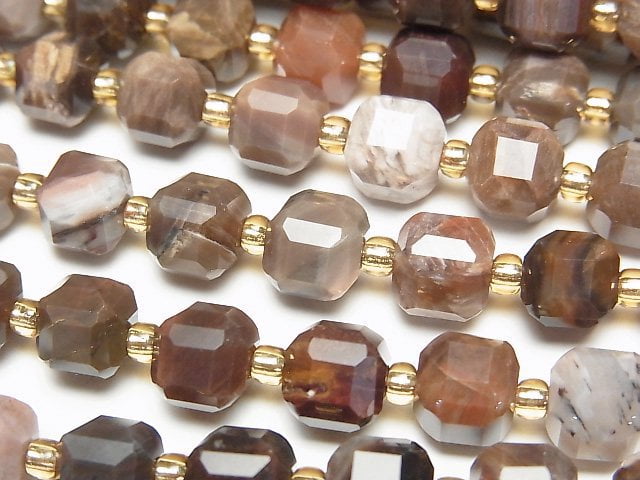
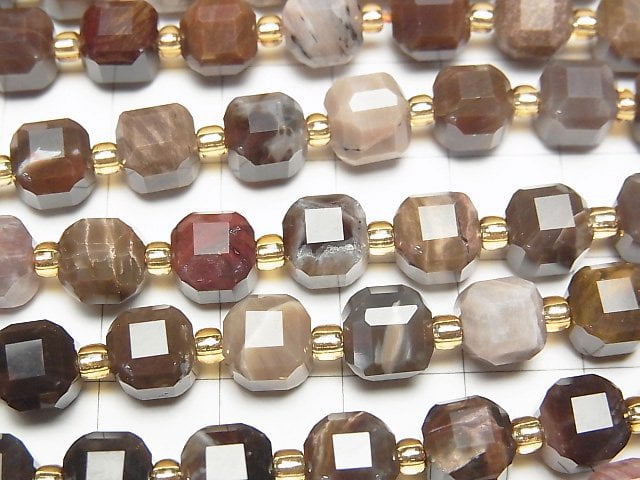
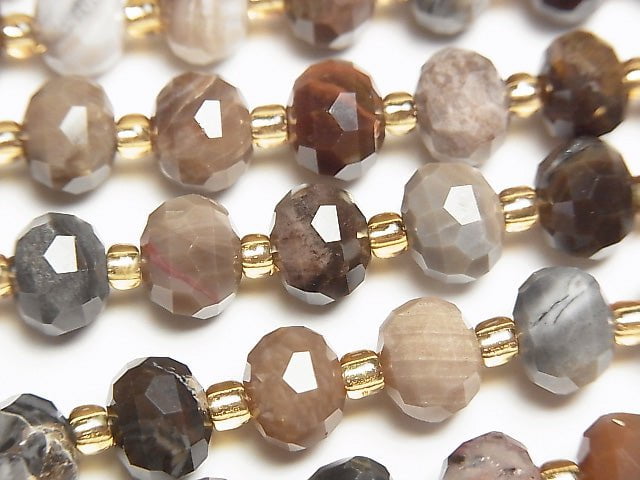
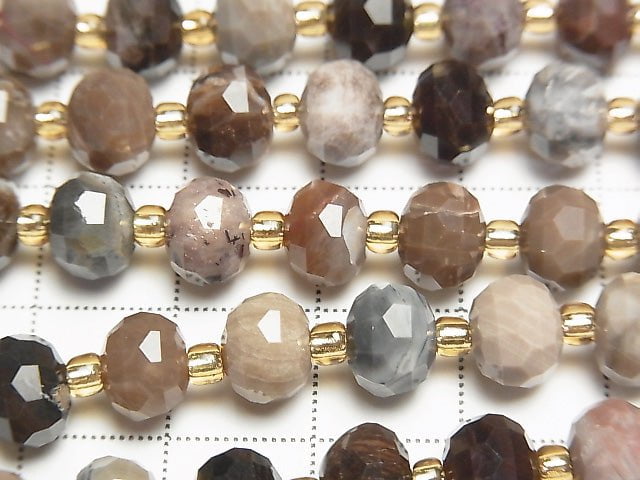
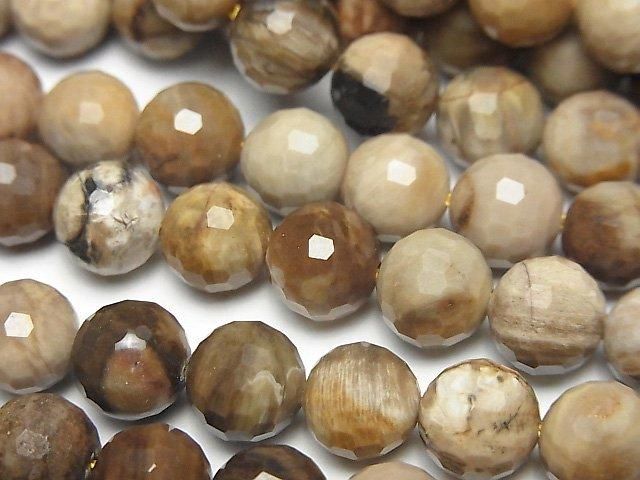
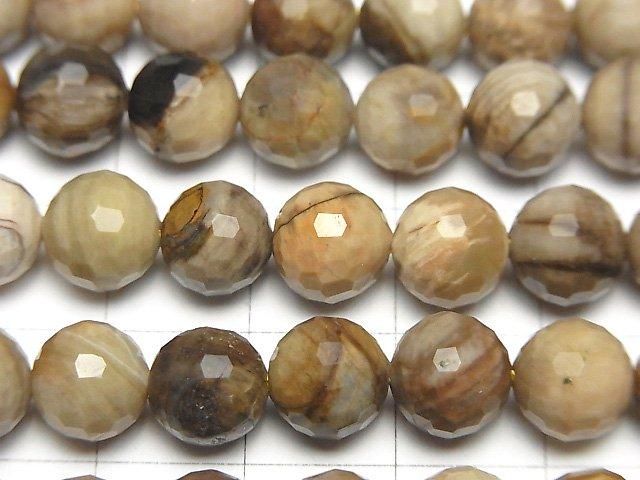
- 6 mm to 10 mm rounds are the most useful sizes for bracelets and layered necklaces
- Smooth rounds show grain and color evenly; larger beads display the wood pattern best
- Cabochons suit rings and statement pendants, where the grain becomes a focal point
- It pairs well with clear quartz, amethyst, and other earthy, neutral stones
When selecting strands, look for pieces with clear, attractive grain, good polish, and no major cracks or fillers.
Carrying, Placement, and Intention Practices
Beyond jewelry, petrified wood is traditionally kept where you want to feel steady: a desk, a bedside table, a workspace, or a grounding corner of the home. Gardeners sometimes place a piece among plants as a symbol of slow, natural growth. For intention work, hold the stone while naming a specific, concrete next step — practitioners emphasize pairing it with patient action rather than treating it as a substitute for one. In meditation, rest it in your palm or at the base of the body and breathe slowly, focusing on feeling grounded and present. These are traditional beliefs, not medical claims.

How to Clean, Cleanse, and Care for Petrified Wood
Physical care: petrified wood is hard and easy to look after. Wash it with mild soap and lukewarm water, then dry with a soft cloth. Avoid harsh chemicals, acids, and abrasive cleaners, which can dull the polish. It is quartz-hard, but it can still chip along natural cracks, so store it away from harder stones and avoid hard knocks. Brief contact with water is fine for solid, sealed pieces; avoid long soaks, especially for porous or opal-bearing material. Dyed or stabilized pieces should be kept dry, since water and prolonged sunlight can fade dye. Keep very vividly colored pieces out of prolonged direct sunlight to help preserve their color.
For energetic cleansing, practitioners use gentle methods: smoke from sage or palo santo, sound from a singing bowl, a selenite plate, or a night under the moon. A brief rinse under running water is also fine for solid, undyed stone. These are traditional beliefs, not medical claims.
How to Tell If Petrified Wood Is Real
Genuine petrified wood combines the look of wood with the hardness of stone. Because much of it is inexpensive, elaborate fakes are less common than with rare gems — but dyed material, resin imitations, and reconstituted pieces do circulate. What to check:
- Look for wood grain : real petrified wood shows growth rings, bark texture, or cellular detail — the fingerprint of the original tree
- Test the hardness and weight : it is quartz-hard (6.5–7 Mohs), so it feels heavy, cold, and solid, and will not scratch with a knife
- No wood smell or lightness : it is rock, not timber — it should not feel or smell like ordinary wood
- Check the polish : genuine pieces take a glassy, waxy shine that plastic or resin rarely matches convincingly
- Watch color variation : authentic natural material shows nuanced, uneven color rather than a flat, printed-looking dye; dye tends to pool in cracks
If a "petrified wood" item is unusually light, warm to the touch, or perfectly uniform in color, be cautious — it may be dyed, stabilized, reconstituted, or an outright imitation. None of those are necessarily bad value, but they should be disclosed. Buy from suppliers who state the material and any treatment clearly.
Petrified Wood Value: How Much Is It Worth?
Petrified wood ranges from very affordable to genuinely valuable, and quality — not locality — drives the price. The main value factors are color, pattern, preservation detail, size, and polish. Typical US retail ranges:
- Tumbled stones and small rough: about $2–$15
- Polished slices, coasters, and cabochons: roughly $10–$60 by size and color
- Decorative slabs, bookends, and spheres: tens to a few hundred dollars
- Large, vividly colored, or finely detailed specimens (e.g., top rainbow or blue material): several hundred dollars or more
The most valuable pieces show strong, varied color, crisp wood grain, high polish, and no major cracks or fillers. Rare colors like blue and green, and pieces with a sparkling crystal pocket, command the highest prices; naturally colored, untreated material is generally valued above dyed material. *(Prices are approximate market ranges for orientation only and will vary by seller, size, and quality.)*

Frequently Asked Questions About Petrified Wood
Is petrified wood a crystal or a fossil?
Both. It is a genuine fossil — the preserved remains of an ancient tree — that is made of crystalline quartz and chalcedony, so it qualifies as both a fossil and a crystal material.
How old is petrified wood?
It varies by location. Much of the famous material from Arizona's Petrified Forest is more than 200 million years old, dating to the Late Triassic period. Petrified wood from other regions ranges widely in age.
What is petrified wood made of?
Mostly silica — primarily quartz, along with chalcedony, jasper, and sometimes opal. Trace elements such as iron, carbon, and manganese give it its many colors.
Why is petrified wood so colorful?
The colors come from trace minerals present when the wood fossilized: iron creates reds, browns, and yellows; carbon and manganese create black, gray, and purple tones; and rarer elements can produce green or blue. Note that some brightly colored pieces are dyed rather than naturally colored.
Is petrified wood dyed or treated?
Some is. Natural petrified wood is already colorful, but a portion of vivid material is dyed, and some slabs are stabilized or resin-filled to strengthen porous stone. These treatments are fine when disclosed; ask your seller whether the color is natural and whether the piece has been stabilized.
What is the difference between agatized and opalized wood?
Both are petrified wood — the difference is which form of silica did the preserving. Agatized wood was replaced by microcrystalline chalcedony/agate (hard and glassy); opalized wood was replaced by opal, which can show a softer sheen and is slightly more fragile.
Can petrified wood get wet?
Yes, briefly. At Mohs 6.5–7 it tolerates a quick rinse; just avoid long soaks and salt water, and keep porous or opal-bearing pieces drier. Dyed or stabilized stone should be kept dry.
Can you collect petrified wood yourself?
Only where it is legal. Removing petrified wood from national parks such as Petrified Forest is prohibited. Collect only on lands where it is permitted, or buy from reputable dealers.
What chakra is petrified wood associated with?
In crystal lore, the root chakra — its grounding, earthy energy is traditionally used to support a feeling of stability, security, and being present. These are traditional beliefs, not medical claims.
Shop Petrified Wood Beads, Cabochons, and Loose Stones at KenKenGems
Ready to bring a piece of deep time into your designs? KenKenGems is a Japan-based gemstone bead supplier trusted by jewelry makers worldwide, and every strand we list is hand-selected for attractive grain, even color, and a clean polish. You'll find:
- Petrified wood bead strands — rounds, smooth cuts, and fancy shapes
- Cabochons and polished pieces for rings, pendants, and statement designs
- Raw and tumbled pieces for grids, decor, and display
We describe our material accurately — petrified wood is sold as petrified wood, with any treatment such as dyeing or stabilization disclosed. Prices are listed in USD, and we ship to the United States and Canada.


![[Pièce unique] Tranche brute de bois pétrifié n°33](http://store.kenkengems.com/cdn/shop/files/187038895_0cdf25ca-bef7-4a05-85e6-818c3b582210.jpg?v=1753354981&width=640)
![[Pièce unique] Tranche brute de bois pétrifié n°33](http://store.kenkengems.com/cdn/shop/files/187038895_o1_2aa81e30-006f-4a53-8424-04079b711be3.jpg?v=1753354989&width=640)
![[Pièce unique] Tranche brute de bois pétrifié n°39](http://store.kenkengems.com/cdn/shop/files/188857682_3c0d88a8-bd3e-4f46-99b4-eef9063d5944.jpg?v=1761034042&width=640)
![[Pièce unique] Tranche brute de bois pétrifié n°39](http://store.kenkengems.com/cdn/shop/files/188857682_o1_e2c633bf-94a4-4a66-b97a-705b33da2392.jpg?v=1761034048&width=640)