TOC
- 1. What Is Zoisite?
- 1-1. Zoisite Quick Facts
- 1-2. Zoisite vs. Epidote vs. Tanzanite: Clearing Up the Names
- 2. What Is Zoisite Made Of? Formation and Chemistry
- 3. The History and Meaning of Zoisite
- 3-1. Zoisite Spiritual Meaning and Symbolism
- 4. Zoisite Colors, Types, and Varieties
- 4-1. Ruby Zoisite (Anyolite)
- 4-2. Tanzanite (Blue Zoisite)
- 4-3. Thulite (Pink Zoisite)
- 4-4. Chrome Zoisite and Other Colors
- 5. Ruby Zoisite Meaning: The "Stone of the Great Heart"
- 5-1. Chakra, Zodiac, and How People Use It
- 6. Zoisite Metaphysical and Healing Properties
- 7. Zoisite Value: How Much Is It Worth?
- 8. How to Use and Care for Zoisite
- 9. How to Tell Real Zoisite and Ruby Zoisite
- 10. Frequently Asked Questions About Zoisite
- 10-1. What is zoisite?
- 10-2. What is ruby zoisite, and what does it mean?
- 10-3. Is ruby zoisite the same as anyolite?
- 10-4. Is tanzanite a type of zoisite?
- 10-5. Is zoisite valuable?
- 10-6. Can zoisite get wet, and how do I clean it?
- 11. Shop Zoisite and Ruby Zoisite at KenKenGems

What Is Zoisite?
Zoisite is a calcium aluminum sorosilicate mineral with the formula Ca2Al3(SiO4)(Si2O7)O(OH). It crystallizes in the orthorhombic system and comes in a remarkable range of colors — green, blue, pink, brown, gray, yellow, and colorless — which is why one mineral species gives us several famous gemstones under different names.

The most searched-for forms of the zoisite stone are ruby zoisite (green zoisite with ruby, also called anyolite), tanzanite (the blue-violet variety), and thulite (the pink variety). Transparent crystals are faceted into gems, while opaque material — especially green ruby-in-zoisite — is carved into beads, spheres, and figurines. Because of this variety, you will see the same family called a zoisite crystal, a zoisite gemstone, and a zoisite stone interchangeably.


Zoisite Quick Facts
| Property | Detail |
|---|---|
| Mineral | Zoisite (a sorosilicate of the epidote family) |
| Chemical formula | Ca2Al3(SiO4)(Si2O7)O(OH) |
| Hardness (Mohs) | 6 – 7 (good, but not as hard as quartz or sapphire) |
| Crystal system | Orthorhombic |
| Specific gravity | About 3.10 – 3.38 |
| Transparency | Transparent (tanzanite) to opaque (ruby zoisite) |
| Colors | Green, blue-violet, pink, brown, yellow, gray, colorless |
| Main varieties | Ruby zoisite (anyolite), tanzanite, thulite, chrome zoisite |
| Named after | Baron Sigmund Zois von Edelstein (1747–1819) |
| Main sources | Tanzania, Kenya, Norway, Austria, Switzerland, India, Pakistan, USA |
Zoisite vs. Epidote vs. Tanzanite: Clearing Up the Names
Zoisite and epidote are closely related minerals with a similar structure, and historically zoisite was grouped with the epidote family. The key difference is that zoisite is orthorhombic while epidote is monoclinic. Within zoisite itself, tanzanite, thulite, and anyolite (ruby zoisite) are not separate species — they are all zoisite, just different colors caused by different trace elements. Tanzanite is the blue-violet variety (colored by vanadium), thulite is pink (colored by manganese), and ruby zoisite is green zoisite with red ruby crystals inside it.
What Is Zoisite Made Of? Formation and Chemistry
Zoisite forms mainly through regional metamorphism — heat and pressure acting on calcium-rich rocks deep in the Earth — and sometimes through hydrothermal activity, where hot mineral-rich fluids crystallize in veins and cavities. Its color depends on tiny amounts of trace elements: vanadium produces the blue-violet of tanzanite, manganese gives thulite its pink, and chromium or vanadium can create green chrome zoisite.
Many zoisite gems are heat-treated, which is a standard and accepted practice in the gem trade. Most tanzanite, for example, is brownish when mined and is gently heated to bring out its signature blue-violet color. This treatment is stable and permanent, but reputable sellers disclose it, because natural, untreated color can affect value. Ruby zoisite and thulite are usually sold in their natural colors.
The History and Meaning of Zoisite
Zoisite was first described scientifically in 1805 by the German mineralogist Abraham Gottlob Werner, who named it after Baron Sigmund Zois von Edelstein (1747–1819), a Carinthian nobleman and mineral collector who had acquired specimens found in the Saualpe mountains of what is now Austria. The mineral was originally called saualpite after that locality before Werner renamed it in Zois’s honor.
For most of its history zoisite was studied as a scientific mineral rather than prized as a gem. That changed dramatically in 1967, when the vivid blue variety was discovered in the Merelani Hills of northern Tanzania and introduced to the world as tanzanite. In crystal tradition today, zoisite is described as a stone of growth, transformation, and renewal — associations drawn from its vivid colors and relatively recent gem history rather than proven effects.
Zoisite Spiritual Meaning and Symbolism
Zoisite meaning centers on growth, individuality, and positive transformation. In crystal lore it is described as encouraging people to recover their enthusiasm after setbacks and to express their true selves. Because the mineral takes on such different personalities — the calm blue of tanzanite, the warm pink of thulite, the vibrant green-and-red of ruby zoisite — practitioners often choose a variety whose color matches the quality they want to focus on.
These are traditional beliefs and folklore, not medical claims. Crystals and stones are not a substitute for professional medical or mental-health care.
Zoisite Colors, Types, and Varieties
Because zoisite comes in so many colors, most "types" are named for their appearance and trace-element chemistry. The four you are most likely to meet are below. Where a variety is routinely treated, that is noted — always ask the seller whether a stone’s color is natural or enhanced.
Ruby Zoisite (Anyolite)
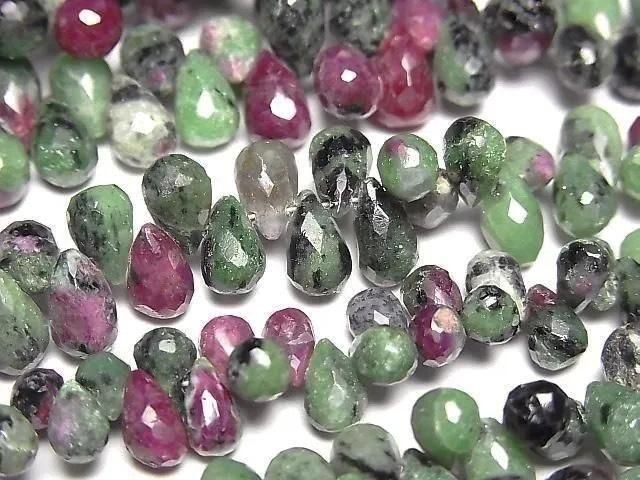
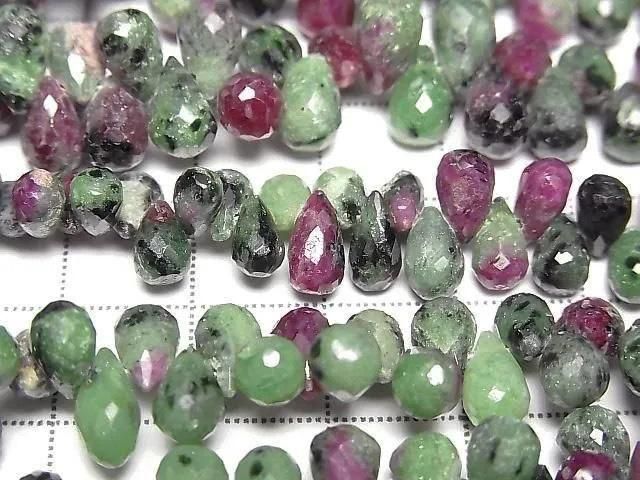
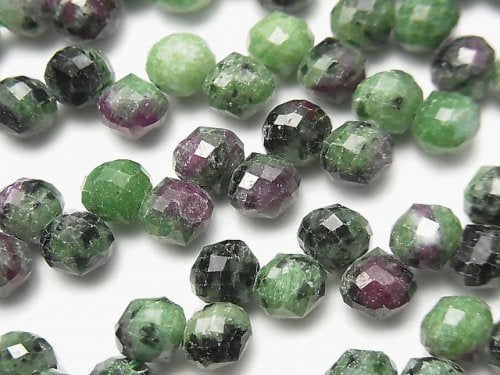
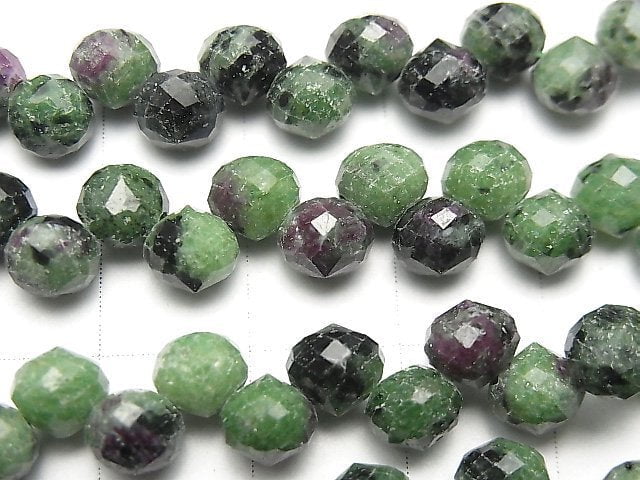
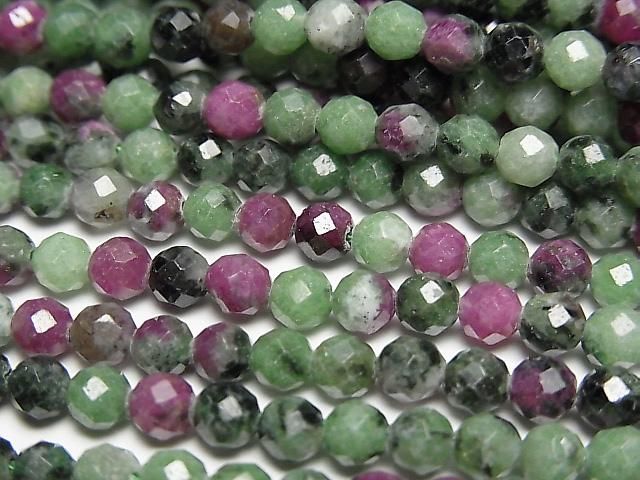
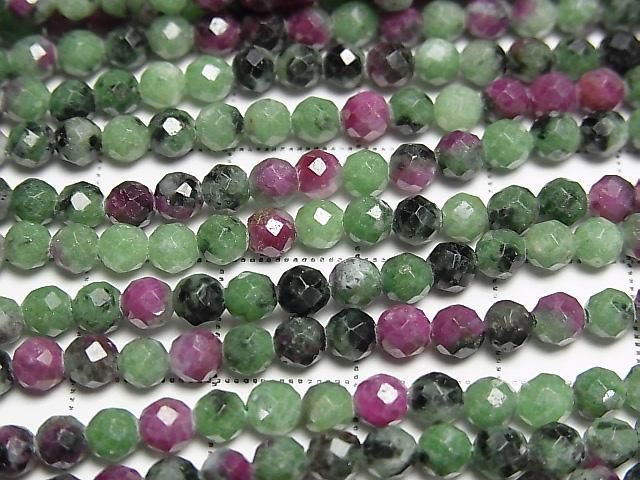
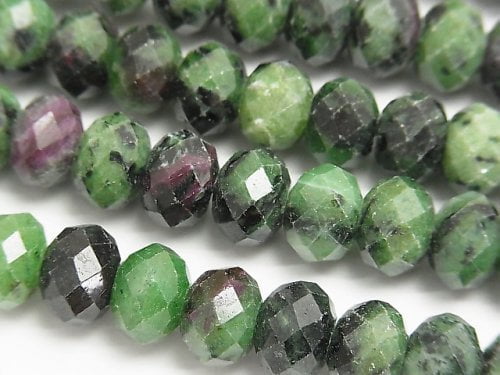
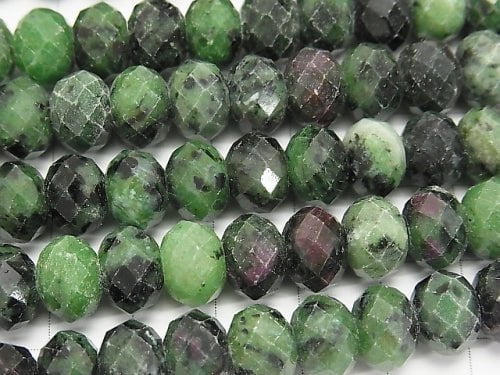
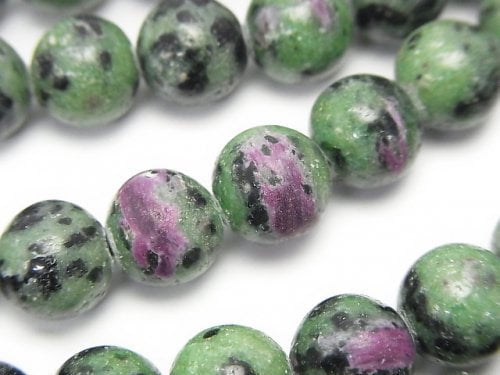
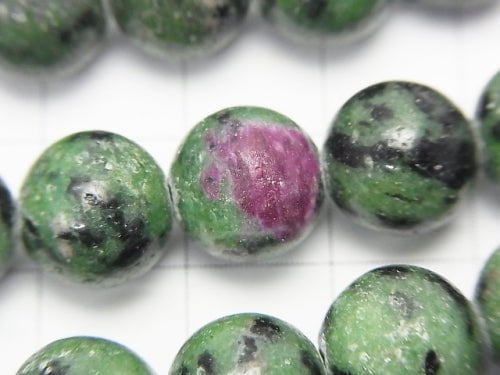
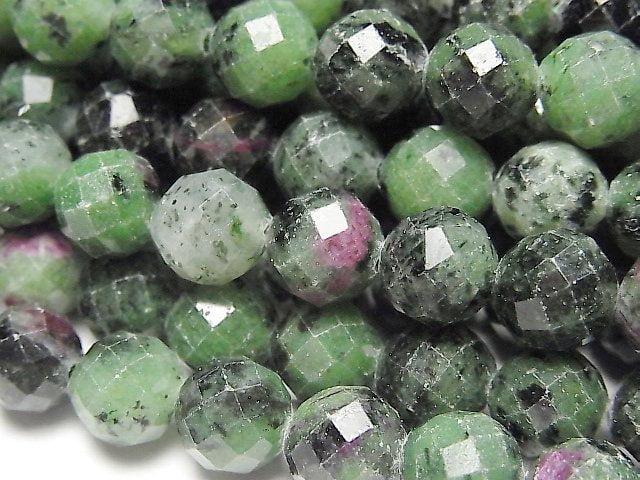
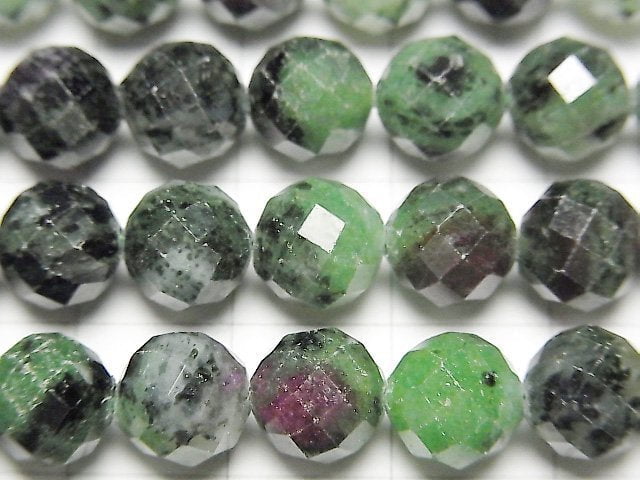
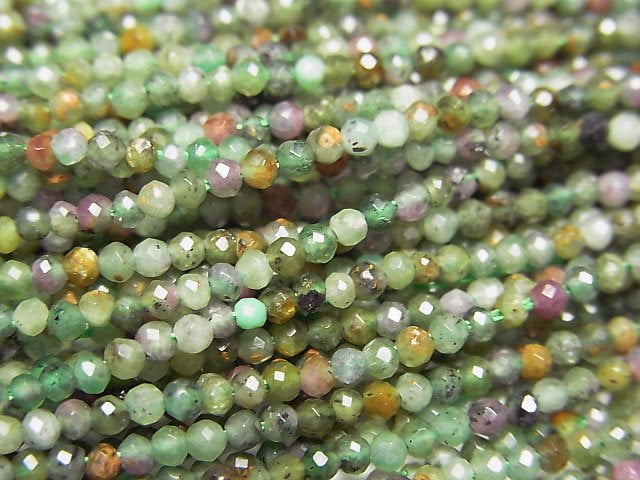
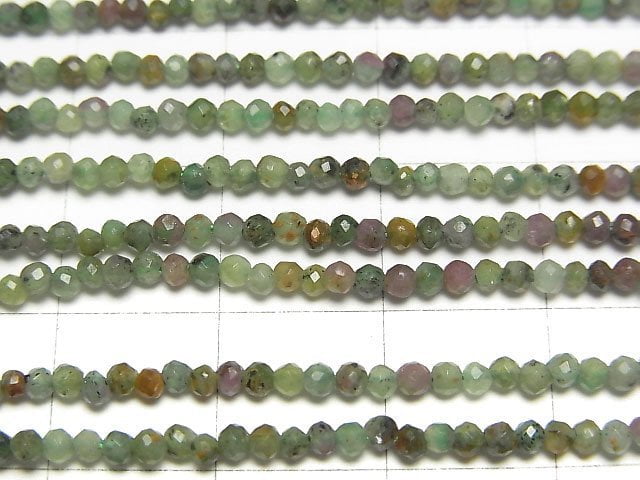
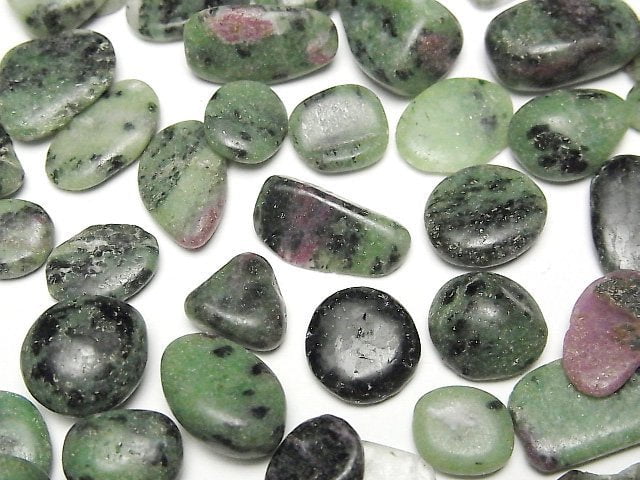
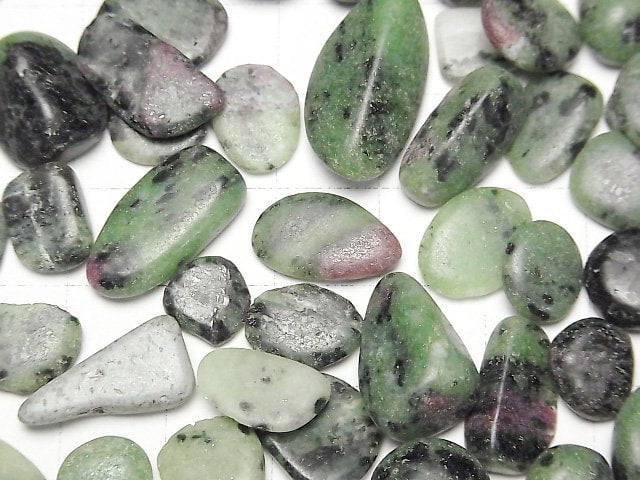
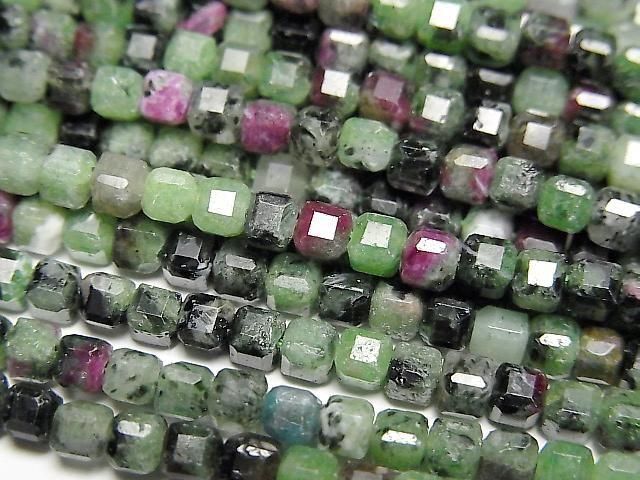
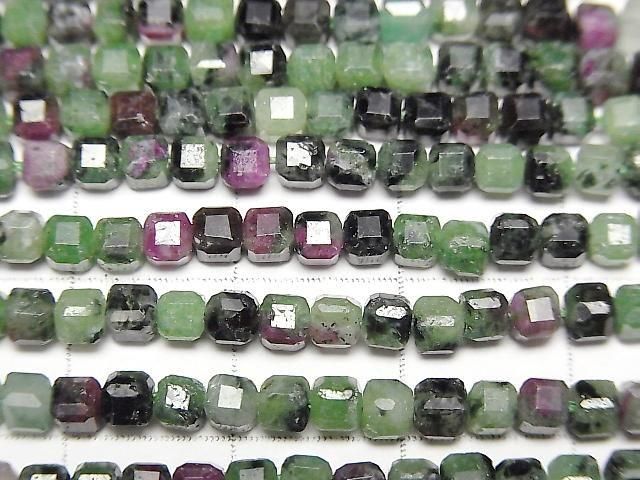
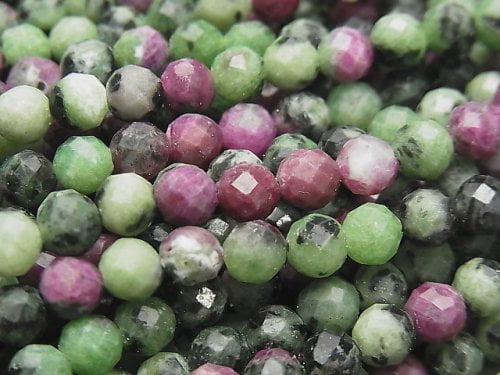
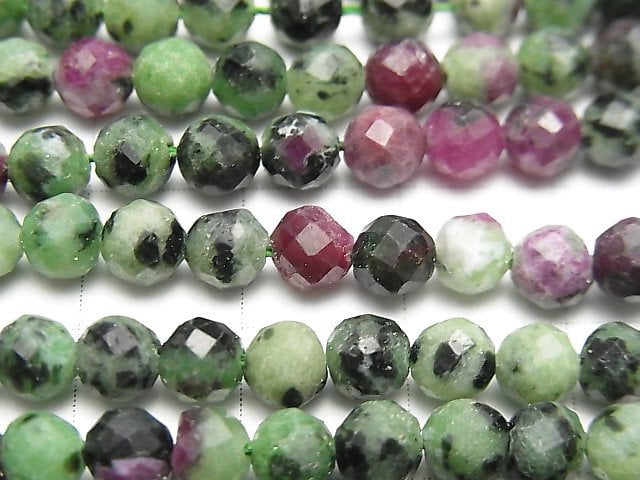
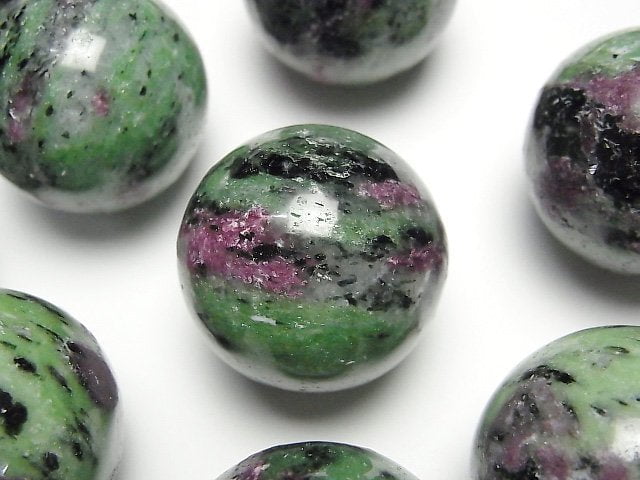
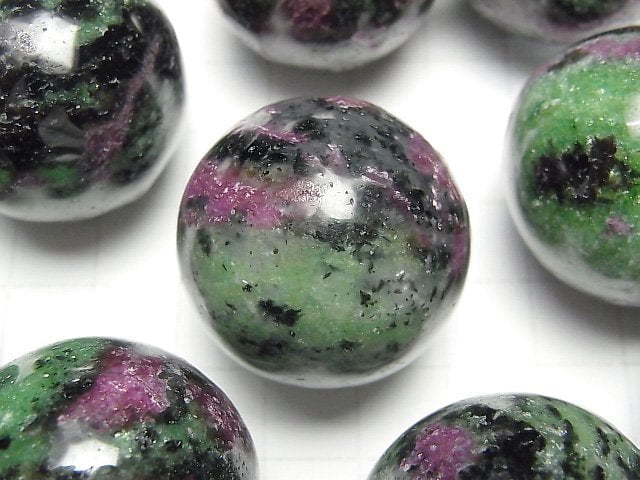
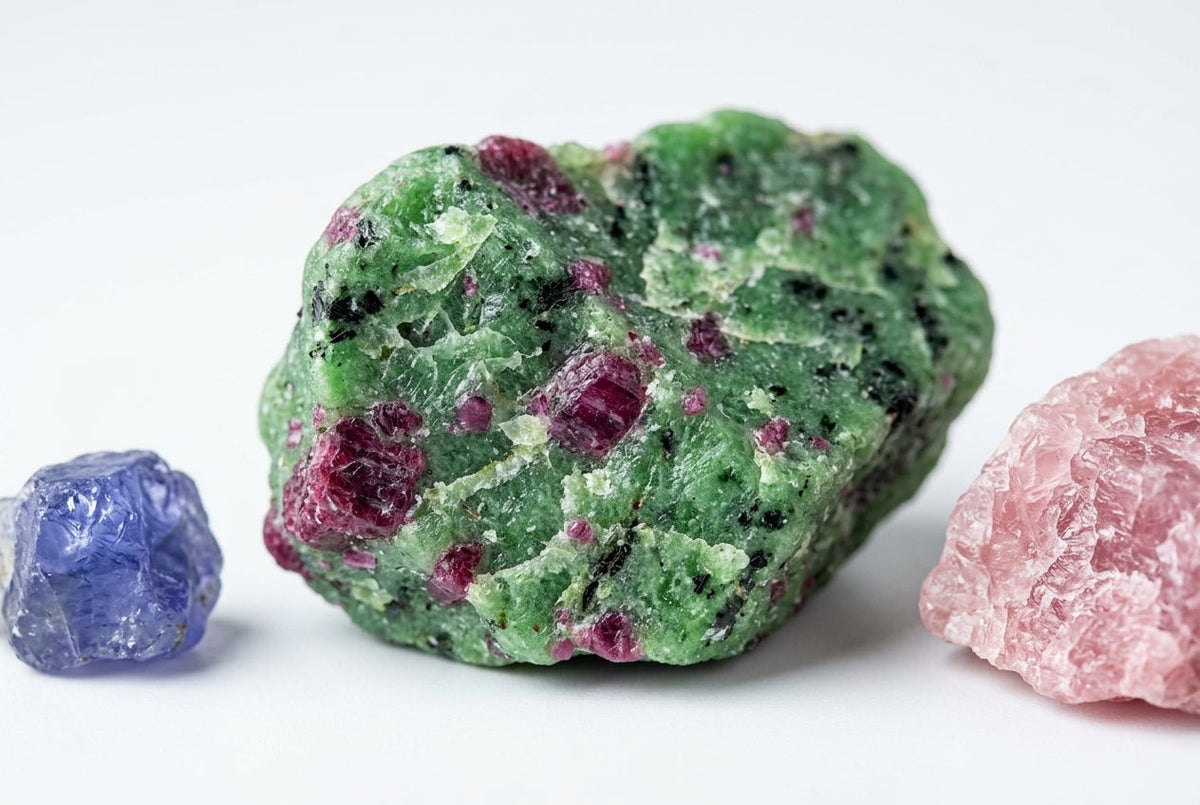
Ruby zoisite — also known as anyolite or ruby-in-zoisite — is the green variety of zoisite with opaque crimson ruby crystals growing inside it, often alongside dark flecks of black hornblende. The combination of deep green, ruby red, and black is unmistakable. The name "anyolite" comes from the Maasai word *anyoli*, meaning green, and the material is mined chiefly at Longido in Tanzania, where it was first found in the 1950s.
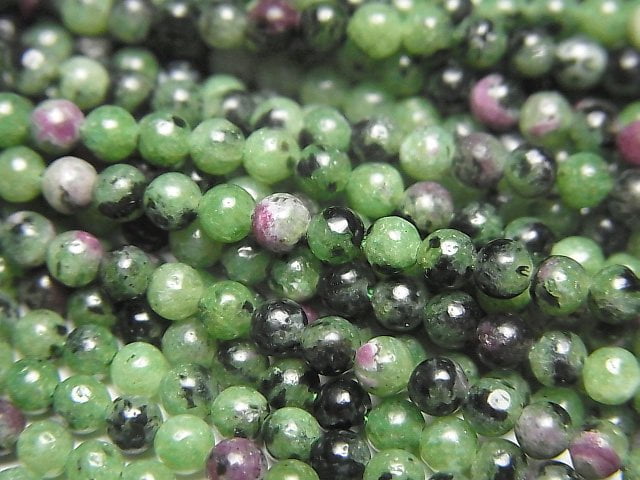
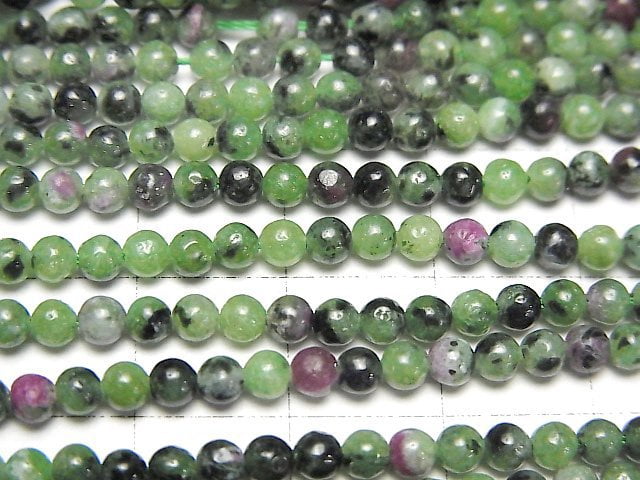
Because ruby and zoisite grow together in the same rock, the material is almost always opaque and is carved into beads, cabochons, spheres, and figurines rather than faceted. You will see this stone sold as ruby zoisite, ruby in zoisite, and ruby and zoisite — all the same green-and-red gem. It is the most popular and affordable way to own both ruby and zoisite in a single piece.

Tanzanite (Blue Zoisite)
Tanzanite is the transparent blue-to-violet variety of zoisite, colored by vanadium and found almost exclusively near Mount Kilimanjaro in Tanzania. Discovered in 1967 and named by the jeweler Tiffany & Co., it quickly became one of the world’s most popular colored gemstones. Tanzanite is strongly pleochroic, showing blue, violet, and burgundy from different angles, and the vast majority is heat-treated to turn a mined brownish color into its prized blue-violet. This is a standard, disclosed treatment.

Thulite (Pink Zoisite)
Thulite is the pink to rose-red variety, colored by manganese and sometimes called rosaline. It was first identified in Norway and named after *Thule*, an old name for the far north. Usually opaque and often mottled with white, thulite is cut into cabochons, beads, and carvings. In crystal tradition it is linked to warmth, affection, and self-love — folkloric associations rather than proven effects.

Chrome Zoisite and Other Colors
- Chrome zoisite — a translucent to transparent green variety colored by chromium (and vanadium), sometimes faceted; not to be confused with opaque ruby-in-zoisite.
- Green zoisite — clean green material without ruby inclusions, used for beads and carvings.
- Yellow and brown zoisite — less common collector colors, usually left untreated.
- Colorless and gray zoisite — the untinted base mineral, mostly of interest to mineral collectors.
Ruby Zoisite Meaning: The "Stone of the Great Heart"
Ruby zoisite meaning brings together two very different energies in folklore: the passion and vitality associated with ruby, and the growth and patience associated with green zoisite. For this reason the ruby and zoisite combination is sometimes called the "Stone of the Great Heart" and is linked in crystal lore with turning strong emotion into steady, positive action. People searching for the meaning of ruby zoisite — or the zoisite with ruby meaning — usually find it described as a stone of the heart that balances drive with calm.
The ruby zoisite spiritual meaning is often tied to the heart chakra, and the ruby with zoisite meaning is said in tradition to encourage self-worth and the healthy expression of feelings. These are traditional beliefs and folklore, not medical claims — the ruby and zoisite meaning described here reflects crystal culture, not scientific or medical fact.
Chakra, Zodiac, and How People Use It
In tradition, ruby zoisite is associated with the heart chakra (with the ruby adding a root-chakra spark), while blue tanzanite is linked to the throat and third-eye chakras and pink thulite to the heart. People commonly wear zoisite as beads, a pendant, or a ring, keep a tumbled ruby-zoisite stone as a pocket piece, or hold a sphere during meditation as a focus for intention — simple practices many enjoy regardless of belief.

Zoisite Metaphysical and Healing Properties
In crystal-healing tradition, the zoisite crystal is regarded as a stone of growth, recovery, and authentic self-expression. Practitioners describe ruby zoisite as helping people feel energized yet grounded, tanzanite as encouraging calm insight and communication, and thulite as supporting warmth and self-acceptance. Each variety is chosen for the quality its color is said to represent.
Important: these descriptions reflect folklore and personal practice, not scientific or medical fact. Zoisite cannot diagnose, treat, cure, or prevent any illness, and it is not a substitute for professional care. These are traditional beliefs, not medical claims.
Zoisite Value: How Much Is It Worth?
Zoisite’s value depends almost entirely on the variety. Tanzanite is the premium member of the family: as a faceted gem its price rises sharply with size and depth of blue-violet color, and fine stones command hundreds of dollars per carat. By contrast, ruby zoisite (anyolite) and thulite are prized for their look rather than rarity and are very affordable — as a rough guide in the US and Canada (prices in USD and not guaranteed, since quality varies), tumbled ruby-zoisite stones often run a few dollars each, and bead strands, spheres, and small carvings commonly fall in the low tens of dollars.
For ruby zoisite specifically, value comes down to color contrast and carving quality: vivid green with clear, well-shaped red ruby patches and a clean polish is worth more than dull, heavily included material. Because tanzanite is almost always heat-treated, disclosure of treatment — and, for untreated stones, documentation — matters most at the higher end of the market.
How to Use and Care for Zoisite
At about 6–7 on the Mohs scale, zoisite is reasonably hard but not as tough as quartz or sapphire, and tanzanite in particular has a direction of cleavage that makes it prone to chipping. Ruby zoisite and thulite are more forgiving because they are opaque and massive, making them well suited to beads, bracelets, cabochons, and carvings. Set zoisite jewelry — especially tanzanite rings — in protective mountings and avoid hard knocks.
Care is simple: clean with lukewarm water, mild soap, and a soft brush or cloth. Avoid ultrasonic and steam cleaners and sudden temperature changes, which can crack tanzanite, and keep stones away from harsh household chemicals. Store pieces separately so harder gems do not scratch them.
How to Tell Real Zoisite and Ruby Zoisite
Genuine ruby zoisite shows a natural, slightly uneven mix of deep green zoisite, opaque red ruby crystals, and usually some black hornblende, with a stone-hard surface (about 6–7 Mohs). Warning signs of imitation include a lightweight, plasticky feel, perfectly even "ruby" blobs with no natural variation, and colors that look painted onto the surface rather than part of the stone. Dyed quartz or glass is occasionally sold as ruby zoisite.
For tanzanite, be aware that almost all of it is heat-treated (which is normal and should be disclosed) and that some blue stones on the market are other species entirely. When buying any zoisite, ask whether the color is natural or enhanced, and favor sellers who state the stone’s variety, treatment, and origin as standard.

Frequently Asked Questions About Zoisite
What is zoisite?
Zoisite is a calcium aluminum sorosilicate mineral (Ca2Al3(SiO4)(Si2O7)O(OH)) that occurs in many colors. The same species gives us several gemstones, including ruby zoisite (anyolite), the blue variety tanzanite, and the pink variety thulite. This zoisite stone was named in 1805 after Baron Sigmund Zois.
What is ruby zoisite, and what does it mean?
Ruby zoisite (also called anyolite or ruby-in-zoisite) is green zoisite with red ruby crystals inside it. In folklore the ruby zoisite meaning combines ruby’s passion with zoisite’s growth, which is why it is nicknamed the "Stone of the Great Heart." These are traditional beliefs, not medical claims.
Is ruby zoisite the same as anyolite?
Yes. "Anyolite" is the mineralogical name for ruby-in-zoisite — green zoisite containing ruby and usually black hornblende. "Ruby zoisite" and "ruby and zoisite" are the common trade names for the same green-and-red material, mined mainly at Longido in Tanzania.
Is tanzanite a type of zoisite?
Yes. Tanzanite is the transparent blue-to-violet variety of zoisite, colored by vanadium and found in Tanzania. Most tanzanite is heat-treated to develop its blue-violet color, which is a standard, disclosed practice.
Is zoisite valuable?
It depends on the variety. Tanzanite is the valuable one and is priced per carat as a faceted gem, while ruby zoisite and thulite are affordable and sold mainly as beads, cabochons, and carvings. Prices vary with color, clarity, and workmanship and are not guaranteed.
Can zoisite get wet, and how do I clean it?
It is fine to rinse zoisite briefly in lukewarm water with mild soap and a soft brush. Avoid long soaks, harsh chemicals, ultrasonic and steam cleaners, and sudden temperature changes — tanzanite in particular can crack from heat or shock.
Shop Zoisite and Ruby Zoisite at KenKenGems
Ready to add zoisite to your designs or collection? KenKenGems supplies ruby zoisite (anyolite) and related zoisite as bead strands, tumbled stones, cabochons, and spheres, chosen for vivid color and clean polish. Prices are listed in USD, with shipping across the United States and Canada. Browse the collection to find the green-and-red ruby zoisite or other zoisite that speaks to you.