
蛋白石特性
蛋白石因其特有的變彩而特別受歡迎——這是指顏色閃光會隨著觀察角度的變化而變化,並且只出現在蛋白石中。除了其歡快的變彩,蛋白石也因其穩定性而備受讚賞——這對於含有約百分之六水分的珠寶來說是一個重要標準。蛋白石的另一個特點是它們有貴蛋白石、黑蛋白石、火蛋白石、粉紅蛋白石、礫石蛋白石等多種類型。
蛋白石珠的特點

![[影片] 頂級珍貴蛋白石 AAA++ 圓形 5-8 毫米漸變半串或 1 串珠子 (約 15 英寸/38 厘米)](http://store.kenkengems.com/cdn/shop/files/151751550.jpg?v=1773554739&width=500)
![[影片] 頂級珍貴蛋白石 AAA++ 圓形 5-8 毫米漸變半串或 1 串珠子 (約 15 英寸/38 厘米)](http://store.kenkengems.com/cdn/shop/files/151751550_o1.jpg?v=1773554725&width=640)
[影片] 頂級珍貴蛋白石 AAA++ 圓形 5-8 毫米漸變半串或 1 串珠子 (約 15 英寸/38 厘米)
![[影片]高品質衣索比亞蛋白石 AAA 裸石 圓形刻面 8x8mm 2顆](http://store.kenkengems.com/cdn/shop/files/151573741_386deeab-62d6-4690-b7b2-820d9b515be8.jpg?v=1726620433&width=640)
![[影片]高品質衣索比亞蛋白石 AAA 裸石 圓形刻面 8x8mm 2顆](http://store.kenkengems.com/cdn/shop/files/151573741_o1_4e9e7071-1085-4056-bfb3-e2eb67477072.jpg?v=1726620427&width=640)
[影片]高品質衣索比亞蛋白石 AAA 裸石 圓形刻面 8x8mm 2顆
![[影片]粉紅色蛋白石 AAA- 裸石 圓形刻面 4x4毫米 10顆](http://store.kenkengems.com/cdn/shop/files/151427656.jpg?v=1729210975&width=640)
![[影片]粉紅色蛋白石 AAA- 裸石 圓形刻面 4x4毫米 10顆](http://store.kenkengems.com/cdn/shop/files/151427656_o1.jpg?v=1729210862&width=640)
[影片]粉紅色蛋白石 AAA- 裸石 圓形刻面 4x4毫米 10顆


1串 $34.99!條紋藍歐泊 AA++ 栗色(葉子雕刻)1串珠子(約7英吋/18公分)

![[影片] 埃塞俄比亞蛋白石 AA 級 + 方形圓珠 (圓盤) 半串或 1 串珠子 (約 15 英寸 / 38 公分)](http://store.kenkengems.com/cdn/shop/files/149790328_o1.jpg?v=1716594424&width=640)

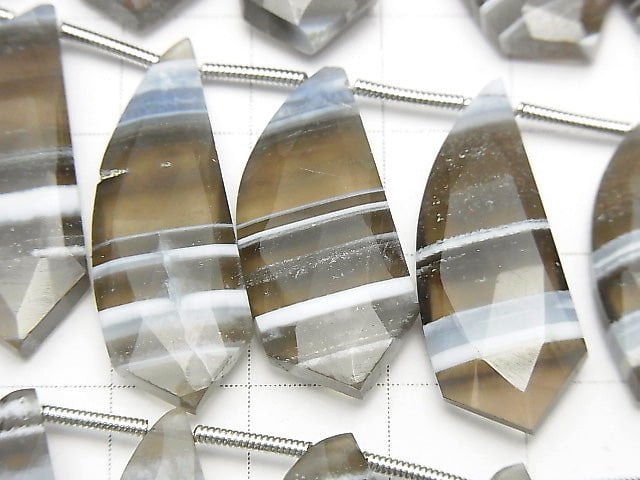
藍色條紋蛋白石 AA++ 刻面馬眼形珠串 (約 7 英寸 / 18 公分)
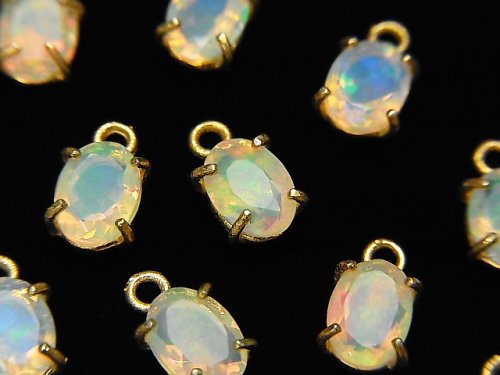
![[Video]高品質衣索比亞蛋白石 AAA 蛋面刻面 7x5mm 18KGP 2 件 $16.99!](http://store.kenkengems.com/cdn/shop/files/150237510_o1.jpg?v=1724058309&width=640)
[Video]高品質衣索比亞蛋白石 AAA 蛋面刻面 7x5mm 18KGP 2 件 $16.99!
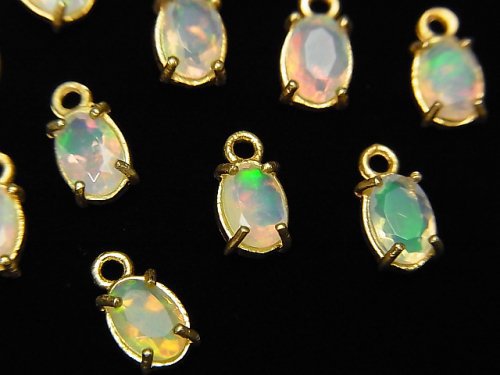
![[影片]高品質衣索比亞蛋白石 AAA 級包鑲橢圓刻面 6x4mm 18KGP 2 件](http://store.kenkengems.com/cdn/shop/files/150237132_o1.jpg?v=1724058529&width=640)
[影片]高品質衣索比亞蛋白石 AAA 級包鑲橢圓刻面 6x4mm 18KGP 2 件


粉紅蛋白石 AAA 級 - 圓形蛋面 4x4 公釐 10 顆 $6.79!
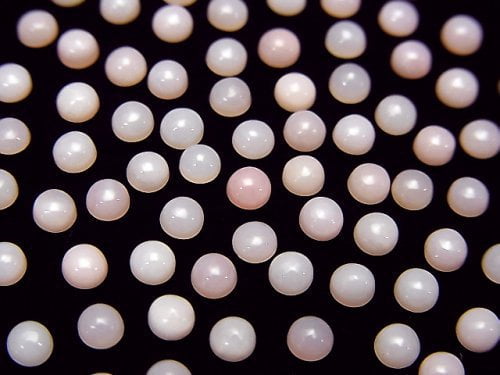
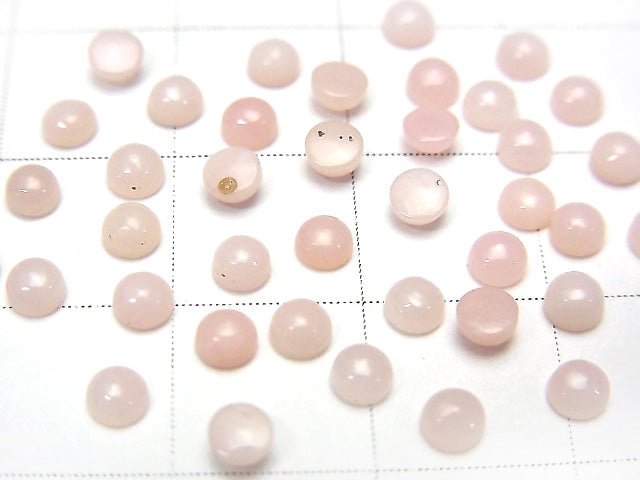
粉紅蛋白石 AAA 圓形素面蛋面 3x3mm 10顆
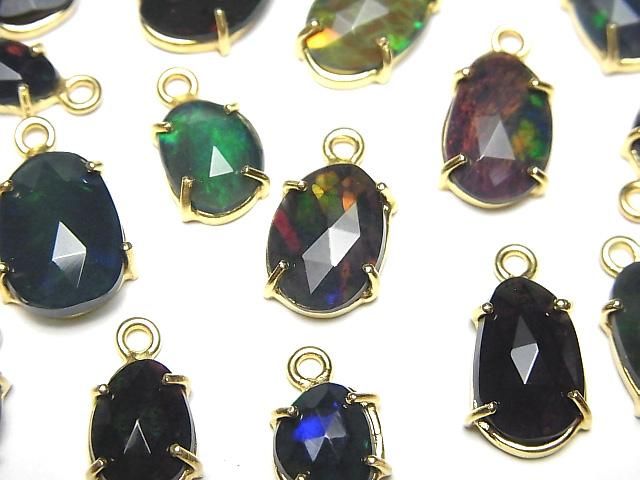
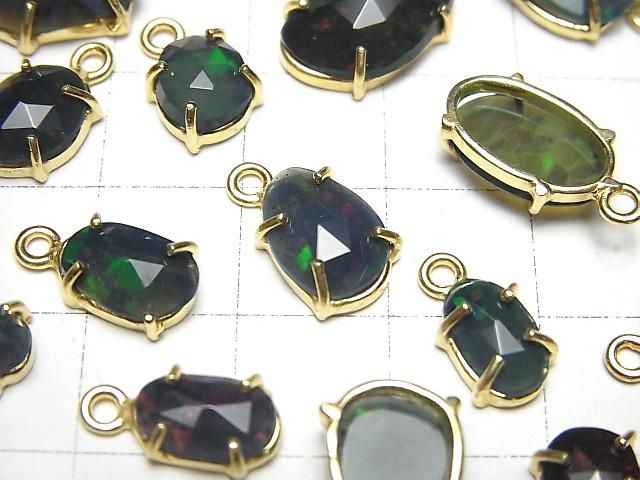
高品質黑色蛋白石 AAA 爪鑲 自由形狀 玫瑰切割 18KGP 3件
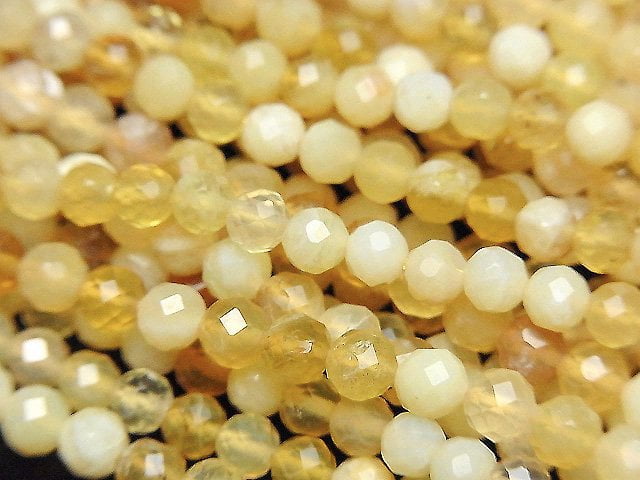
![[影片]高品質!黃色蛋白石 AA++ 刻面圓珠 4mm 1串 (約15英吋/37公分)](http://store.kenkengems.com/cdn/shop/files/150150184_o1_31cc77ec-7e9a-4e09-8ce2-8ed338eab804.jpg?v=1716596584&width=640)
[影片]高品質!黃色蛋白石 AA++ 刻面圓珠 4mm 1串 (約15英吋/37公分)
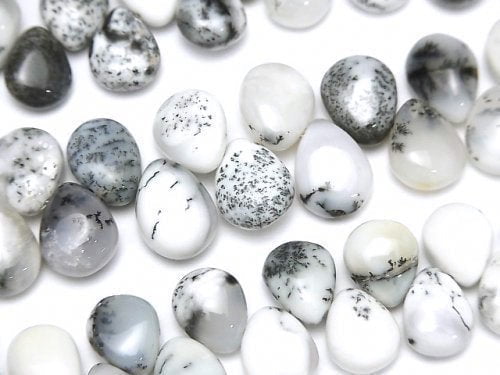
![[影片]樹枝狀蛋白石梨形(光滑)半串或1串珠子(約7吋/18公分)](http://store.kenkengems.com/cdn/shop/files/149676985_o1.jpg?v=1724061289&width=640)
[影片]樹枝狀蛋白石梨形(光滑)半串或1串珠子(約7吋/18公分)
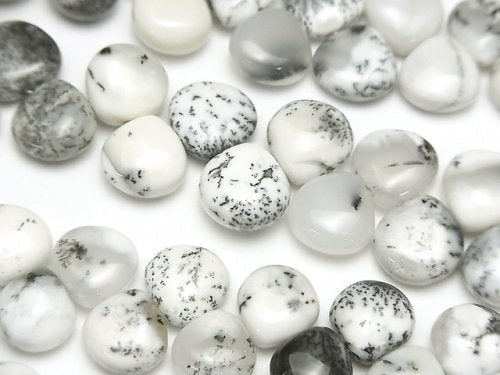

樹枝狀蛋白石 栗色 (光滑) 半串或一串珠子 (約 7 英寸/18 公分)
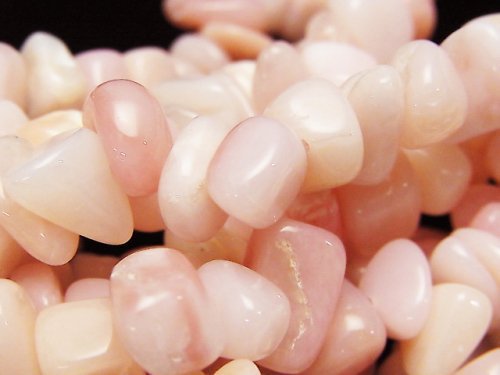

粉蛋白石 AA++ 碎石 (小塊狀) 1 串珠子 (約 15 英吋/38 公分)
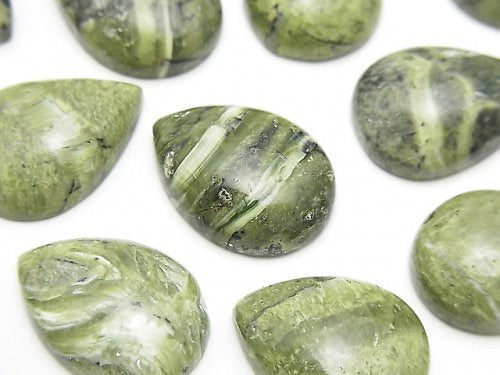
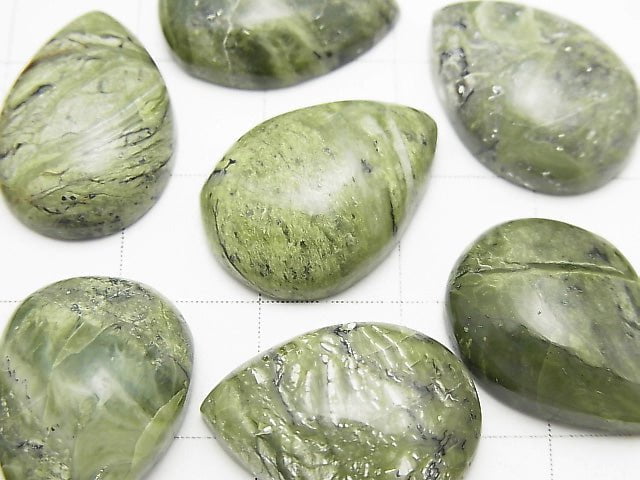
綠蛋白石梨形凸圓面 18x13mm 2顆 $8.79!
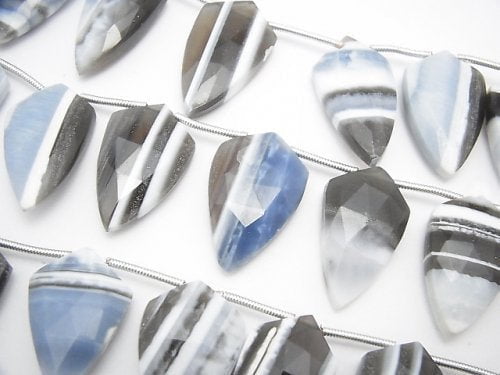

1串 44.99 美元 條紋藍蛋白石 AA++ 刻面馬眼形 1串珠子 (約7英吋/18公分)
![[視頻] 高品質!粉紅蛋白石 AA+ 128 切面圓珠,略小於 8 毫米,半串或一串(約 15 英寸/37 厘米)](http://store.kenkengems.com/cdn/shop/files/148877029.jpg?v=1773564731&width=500)
![[視頻] 高品質!粉紅蛋白石 AA+ 128 切面圓珠,略小於 8 毫米,半串或一串(約 15 英寸/37 厘米)](http://store.kenkengems.com/cdn/shop/files/148877029_o1.jpg?v=1773564711&width=640)

![[Video]樹枝狀蛋白石梨形凸圓形 18x13mm 2顆](http://store.kenkengems.com/cdn/shop/files/148747062_o1.jpg?v=1724072843&width=640)
[Video]樹枝狀蛋白石梨形凸圓形 18x13mm 2顆
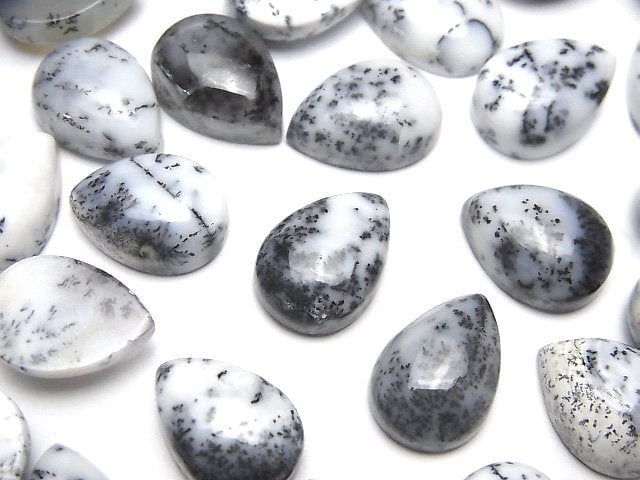
![[影片]樹枝狀蛋白石梨形凸圓面 14x10公釐 2顆](http://store.kenkengems.com/cdn/shop/files/148746965_o1.jpg?v=1724074154&width=640)
[影片]樹枝狀蛋白石梨形凸圓面 14x10公釐 2顆

![[影片]樹枝狀蛋白石 橢圓形 蛋面切磨 18x13mm 2顆](http://store.kenkengems.com/cdn/shop/files/148746653_o1.jpg?v=1724072829&width=640)
[影片]樹枝狀蛋白石 橢圓形 蛋面切磨 18x13mm 2顆

![[影片]樹枝狀蛋白石橢圓形凸圓形戒面 14x10公釐 2顆](http://store.kenkengems.com/cdn/shop/files/148746446_o1.jpg?v=1716602476&width=640)
[影片]樹枝狀蛋白石橢圓形凸圓形戒面 14x10公釐 2顆

![[影片]樹枝狀蛋白石橢圓形凸圓形寶石 10x8mm 5顆](http://store.kenkengems.com/cdn/shop/files/148746252_o1.jpg?v=1716602452&width=640)
[影片]樹枝狀蛋白石橢圓形凸圓形寶石 10x8mm 5顆
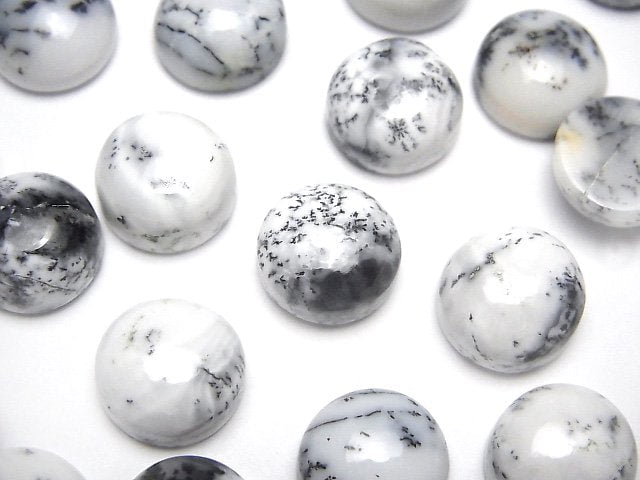
![[影片]樹枝狀蛋白石圓形凸圓形戒面 12x12毫米 2顆](http://store.kenkengems.com/cdn/shop/files/148745994_o1.jpg?v=1716602224&width=640)
[影片]樹枝狀蛋白石圓形凸圓形戒面 12x12毫米 2顆

![[影片] 樹枝狀蛋白石 圓形 凸圓形 10x10mm 4顆 $6.79!](http://store.kenkengems.com/cdn/shop/files/148745585_o1.jpg?v=1716602104&width=640)
[影片] 樹枝狀蛋白石 圓形 凸圓形 10x10mm 4顆 $6.79!

![[Video]高品質黑色蛋白石 AAA - 圓形凸圓形 8x8mm 2 顆](http://store.kenkengems.com/cdn/shop/files/148412581_o1_6f0632fd-2e8c-4438-8ed3-3d5ba76cfbda.jpg?v=1724082050&width=640)
[Video]高品質黑色蛋白石 AAA - 圓形凸圓形 8x8mm 2 顆
![[Video]高品質黑色歐泊 AAA 圓形凸圓形 7x7 毫米 2 顆 $16.99!](http://store.kenkengems.com/cdn/shop/files/148412246_98e9d65c-e829-4b3f-9f63-12ad5da72347.jpg?v=1718566030&width=640)
![[Video]高品質黑色歐泊 AAA 圓形凸圓形 7x7 毫米 2 顆 $16.99!](http://store.kenkengems.com/cdn/shop/files/148412246_o1_52e9df45-9f48-4d22-80b6-621f3192adf9.jpg?v=1718566024&width=640)
[Video]高品質黑色歐泊 AAA 圓形凸圓形 7x7 毫米 2 顆 $16.99!
![[影片] 高品質黑色歐泊 AAA 圓形凸圓形寶石 6x6mm 4顆 $19.99!](http://store.kenkengems.com/cdn/shop/files/148412086_3458b6fb-86d1-41d9-8110-7bce633ae0a6.jpg?v=1718565921&width=640)
![[影片] 高品質黑色歐泊 AAA 圓形凸圓形寶石 6x6mm 4顆 $19.99!](http://store.kenkengems.com/cdn/shop/files/148412086_o1_cdc31edc-b4d1-4ae1-9637-36e7b7ab12a0.jpg?v=1718565915&width=640)
[影片] 高品質黑色歐泊 AAA 圓形凸圓形寶石 6x6mm 4顆 $19.99!
![[影片] 高品質黑色歐泊 AAA 圓形凸圓面 5x5mm 4顆](http://store.kenkengems.com/cdn/shop/files/R9768001.jpg?v=1773120790&width=640)
![[影片] 高品質黑色歐泊 AAA 圓形凸圓面 5x5mm 4顆](http://store.kenkengems.com/cdn/shop/files/R9768002.jpg?v=1773120804&width=640)
[影片] 高品質黑色歐泊 AAA 圓形凸圓面 5x5mm 4顆

![[影片] 高品質黑色歐泊 AAA 圓形凸圓形 3x3mm 10顆](http://store.kenkengems.com/cdn/shop/files/148411075_o1.jpg?v=1724082440&width=640)
[影片] 高品質黑色歐泊 AAA 圓形凸圓形 3x3mm 10顆

![1串 $11.79!藍色蛋白石碎石珠 [SS尺寸] 1串珠子 (約15英吋 / 37公分)](http://store.kenkengems.com/cdn/shop/files/148072579_o1.jpg?v=1724088320&width=640)
1串 $11.79!藍色蛋白石碎石珠 [SS尺寸] 1串珠子 (約15英吋 / 37公分)
![[影片]高品質!澳洲珍貴蛋白石 AA+ 刻面圓珠 2毫米 半串或1串(約15英吋/38公分)](http://store.kenkengems.com/cdn/shop/files/147599605_c6fb3018-3857-42be-b525-21513b36ce06.jpg?v=1730663207&width=640)
![[影片]高品質!澳洲珍貴蛋白石 AA+ 刻面圓珠 2毫米 半串或1串(約15英吋/38公分)](http://store.kenkengems.com/cdn/shop/files/147599605_o1_5f1596b4-78ab-42ff-b0cc-9300fdd6207d.jpg?v=1730663119&width=640)
[影片]高品質!澳洲珍貴蛋白石 AA+ 刻面圓珠 2毫米 半串或1串(約15英吋/38公分)
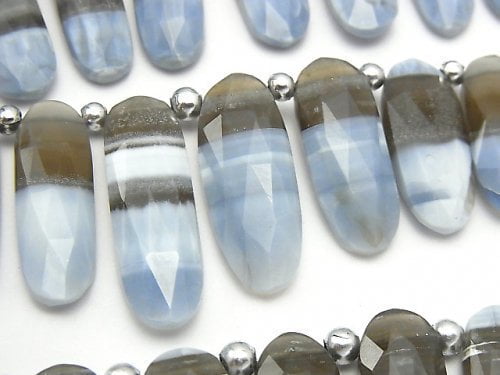
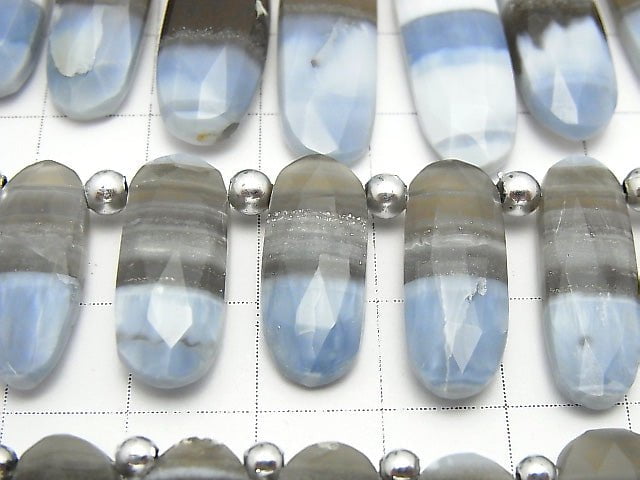
1串 39.99 美元 條紋藍蛋白石 AA++ 刻面橢圓形 1串珠(約 7 英吋/18 公分)
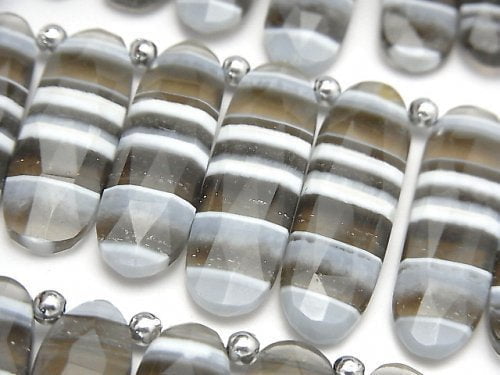
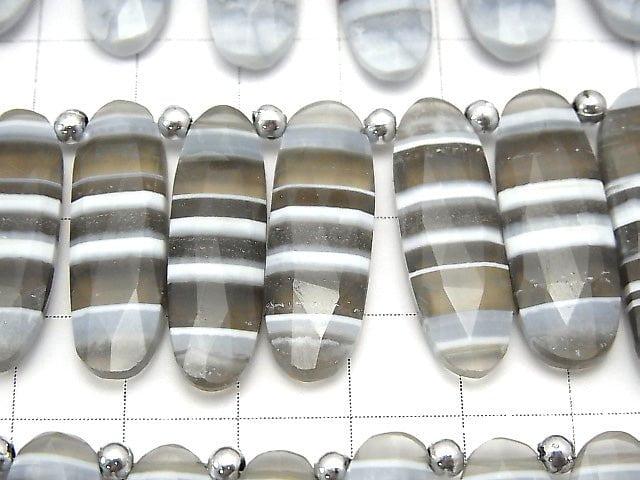
1串49.99美元!藍紋蛋白石AA++刻面橢圓1串珠子(約7英吋/18公分)

![[影片] 條紋藍蛋白石 AA++ 不規則五角形刻面切工淚滴形頂部側鑽孔 1 串珠(約 7 英吋/18 公分)](http://store.kenkengems.com/cdn/shop/files/147071358_o1.jpg?v=1724097415&width=500)
![[影片] 高品質衣索比亞蛋白石 AAA - 裸石圓形刻面 3x3mm 10顆](http://store.kenkengems.com/cdn/shop/files/147381359.jpg?v=1773571390&width=640)
![[影片] 高品質衣索比亞蛋白石 AAA - 裸石圓形刻面 3x3mm 10顆](http://store.kenkengems.com/cdn/shop/files/147381359_o1.jpg?v=1773571372&width=640)
[影片] 高品質衣索比亞蛋白石 AAA - 裸石圓形刻面 3x3mm 10顆
![[影片] 高品質黑色歐泊 AAA 橢圓形素面切割 10x8mm 1顆](http://store.kenkengems.com/cdn/shop/files/147368330.jpg?v=1773571450&width=640)
![[影片] 高品質黑色歐泊 AAA 橢圓形素面切割 10x8mm 1顆](http://store.kenkengems.com/cdn/shop/files/147368330_o1.jpg?v=1773571434&width=640)
[影片] 高品質黑色歐泊 AAA 橢圓形素面切割 10x8mm 1顆
![[影片]頂級黑蛋白石 AAA 橢圓凸圓形 8x6mm 2顆](http://store.kenkengems.com/cdn/shop/files/R9996508.jpg?v=1742711899&width=640)
![[影片]頂級黑蛋白石 AAA 橢圓凸圓形 8x6mm 2顆](http://store.kenkengems.com/cdn/shop/files/R9996509.jpg?v=1742711887&width=640)
[影片]頂級黑蛋白石 AAA 橢圓凸圓形 8x6mm 2顆

![[影片] 高品質黑色歐泊 AAA 圓形刻面裸石 6x6mm 4顆](http://store.kenkengems.com/cdn/shop/files/147367928_o1.jpg?v=1724100661&width=640)
[影片] 高品質黑色歐泊 AAA 圓形刻面裸石 6x6mm 4顆

![[影片]高品质黑色欧泊 AAA 裸石 圆形刻面 5x5mm 5颗](http://store.kenkengems.com/cdn/shop/files/147367482_o1.jpg?v=1724098399&width=640)
[影片]高品质黑色欧泊 AAA 裸石 圆形刻面 5x5mm 5颗
![[影片] 高品質黑色歐泊 AAA 未鑽孔圓形刻面 4x4mm 10顆 $15.99!](http://store.kenkengems.com/cdn/shop/files/R9989348.jpg?v=1737245467&width=640)
![[影片] 高品質黑色歐泊 AAA 未鑽孔圓形刻面 4x4mm 10顆 $15.99!](http://store.kenkengems.com/cdn/shop/files/R9989350.jpg?v=1737245463&width=640)
[影片] 高品質黑色歐泊 AAA 未鑽孔圓形刻面 4x4mm 10顆 $15.99!
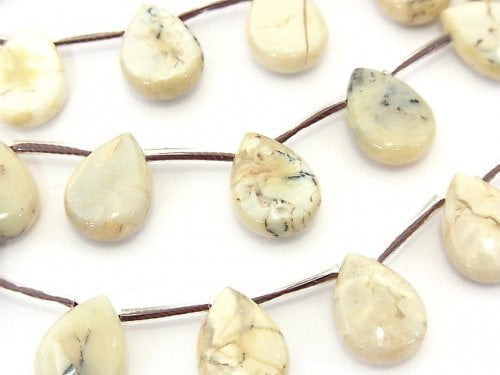
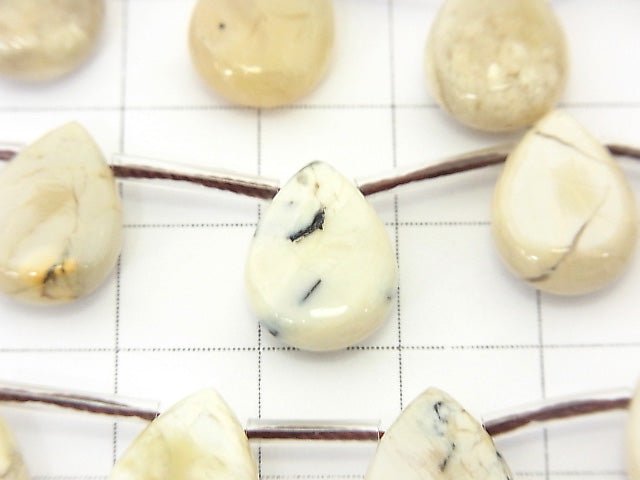
1串 $12.99!非洲蛋白石 梨形(平滑)14x10x6毫米 1串珠子(約15英吋/38公分)


1串11.79美元!非洲蛋白石梨形(光滑)12x8x5mm 1串珠子(約15英寸/36厘米)

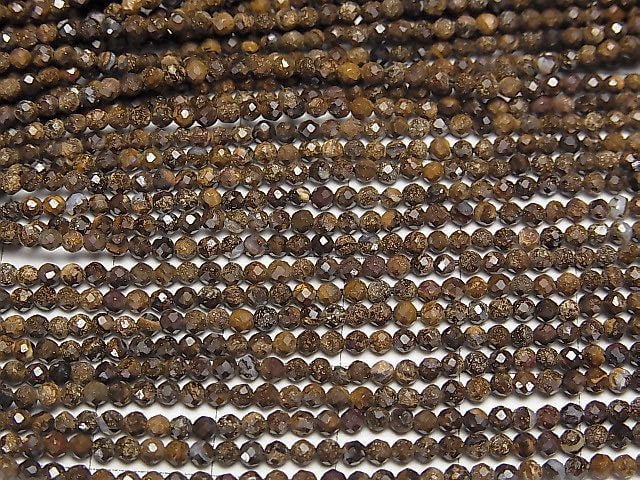

![[Video]一股4.79美元!高品質!黃色蛋白石AAA - 多切面紐扣圓珠 2x2x1.5毫米 一股珠子 (約15英吋 / 38公分)](http://store.kenkengems.com/cdn/shop/files/142407389_o1.jpg?v=1716612312&width=640)

![[影片] 高品質!粉紅色蛋白石 AA+ 刻面圓形 4x4x3mm 1 串珠子 (約 15 英吋 / 38 公分)](http://store.kenkengems.com/cdn/shop/files/145717254_o1.jpg?v=1724140016&width=500)

![[影片] 高品質!粉色蛋白石 AA++ 刻面圓珠 5毫米 1串(約15英寸/37公分)](http://store.kenkengems.com/cdn/shop/files/144604436_o1.jpg?v=1716619162&width=640)
[影片] 高品質!粉色蛋白石 AA++ 刻面圓珠 5毫米 1串(約15英寸/37公分)
![[影片] 高品質!粉紅色蛋白石 AA++ 刻面圓珠 4 毫米 1 股串珠(約 15 英寸/37 厘米)](http://store.kenkengems.com/cdn/shop/files/144603654_12366d25-fabb-46f1-afab-ac39a57f1d08.jpg?v=1773576685&width=640)
![[影片] 高品質!粉紅色蛋白石 AA++ 刻面圓珠 4 毫米 1 股串珠(約 15 英寸/37 厘米)](http://store.kenkengems.com/cdn/shop/files/144603654_o1_f4de0120-cf66-4691-8f0c-72af78160a06.jpg?v=1773576670&width=640)
[影片] 高品質!粉紅色蛋白石 AA++ 刻面圓珠 4 毫米 1 股串珠(約 15 英寸/37 厘米)
最近瀏覽
衣索比亞蛋白石(Welo蛋白石):寓意、價值、特性
埃塞俄比亞蛋白石是眾神的禮物

古人相信蛋白石是眾神的禮物。據稱,它是從天上降臨給我們的。這是有根據的,因為美國國家航空暨太空總署的火星偵察軌道器在火星上發現了蛋白石礦床。然而,飄渺的蛋白石卻是在地球深處誕生。如果您正在尋找一種令人驚嘆的礦物來製作您的珠寶,埃塞俄比亞蛋白石正是您所需要的。
埃塞俄比亞蛋白石的歷史
蛋白石自文明開端以來就已為人所知。作家們將其比作火山、星系和煙火。崇拜者和鑑賞家給這種寶石起了詩意的名字——潘朵拉、世界之光、女皇等。在古羅馬,這種寶石象徵著愛和希望。羅馬人將這種寶石稱為「opalus」,意為「珍貴的石頭」。
雖然蛋白石已經存在了數千年,但埃塞俄比亞品種直到 20 世紀末才受到關注。1993 年,當謝瓦地區的梅澤佐礦床被發現時,來自埃塞俄比亞的寶石首次進入國際市場。這些石頭是層狀火山岩的一部分。它們的體色呈橙色和紅棕色,被稱為火蛋白石。2008 年,位於埃塞俄比亞首都亞的斯亞貝巴附近的沃洛省因發現了第一批乳白色和幾乎半透明的石頭而聞名全球。2013 年,同一省份的 Stayish 礦場開採,成為稀有黑蛋白石的來源。
最早的沃洛蛋白石品質平平,因為它們有裂紋的趨勢。然而,隨著礦井的深入,埃塞俄比亞寶石的品質顯著提高。如今,沃洛蛋白石被認為是埃塞俄比亞其他蛋白石中最穩定的。

埃塞俄比亞蛋白石的意義
儘管埃塞俄比亞蛋白石採礦業相對年輕,但早期人類在幾個世紀前就發現了這種寶石。由於礦床在某些地方靠近地表,因此易於開採用於貿易和收藏。利基博士在肯亞發現了蛋白石文物,這意味著蛋白石貿易遠遠超出了埃塞俄比亞。

歷史學家推測,埃塞俄比亞蛋白石是示巴女王珠寶收藏的一部分。她前往耶路撒冷時,將一些蛋白石贈送給所羅門王。一顆特別令人印象深刻的蛋白石是馬克·安東尼和參議員諾尼烏斯之間爭執的原因。皇帝想購買一顆精美的蛋白石作為禮物送給克利奧帕特拉,但參議員不願割捨他的珍貴資產。於是馬克·安東尼下令殺死參議員。有傳言稱這顆石頭幫助諾尼烏斯逃脫了死亡。從那時起,人們開始相信蛋白石的神秘特性,尤其是它帶來好運的力量。
兩種蛋白石
蛋白石是火山活動、溫泉和侵蝕的結果。目前所有可用的蛋白石都屬於沉積或熱液成因。當水滲入地下並捕獲溶解的矽酸鹽時,就會形成沉積蛋白石。一旦進入腔體,水離開,矽酸鹽形成微觀球體,隨後硬化並成為寶石。沉積蛋白石的礦床發現於澳大利亞。
埃塞俄比亞蛋白石屬於熱液成因。它們通過火山後和熱液過程在火成岩中誕生。其獨特的結構是裂縫和碎片的結果,這些裂縫和碎片充滿了礦物內含物。由於這些標記,蛋白石呈現出令人著迷的色彩變幻。
埃塞俄比亞寶石又稱疏水蛋白石。這些蛋白石是微孔的,即它們可以吸收水和其他液體。蛋白石在接觸水後會產生不可預測的反應。有些石頭可能會變得渾濁,有些則會完全透明,還有一些可能會失去它們的乳光。通常,石頭在乾燥後會恢復其原有特性。然而,如果乾燥不當(過快或在高溫下),埃塞俄比亞蛋白石可能會產生裂紋。總體而言,蛋白石中的含水量介於 13% 到 30% 之間。

埃塞俄比亞蛋白石的治療功效
與所有天然寶石一樣,埃塞俄比亞蛋白石擁有一些神奇的特性,可以影響一個人的健康和福祉。
薩滿建議佩戴蛋白石首飾以幫助尋找愛情。根據靈媒的說法,這些石頭有助於打開脈輪,並對情緒產生有益的影響。最重要的是,它們使尋找靈魂伴侶變得更容易,並為生活帶來幸福。
埃塞俄比亞蛋白石能夠改善男性和女性的健康。至少,這是石療(使用石頭進行治療的實踐)所聲稱的。除此之外,蛋白石還能促進神經系統的正常運作,提高抗壓能力,並改善注意力。就心理健康而言,專家表示,蛋白石可以緩解焦慮並消除抑鬱。

就占星學而言,埃塞俄比亞蛋白石是天秤座人的最佳選擇。據說這些寶石能賦予他們信心和力量來解決所有問題。因此,它們有助於在商業和愛情生活中取得成功。
蛋白石也被稱為十月誕生石。有些人認為其他月份出生的人不應該佩戴蛋白石首飾。這種迷信源於沃爾特·斯科特的《安娜·吉爾斯坦》小說。事實上,蛋白石與每個人都兼容。這些石頭就像幸運符。當觀察這些令人眼花繚亂的色彩閃光時,很容易開始相信它們的神奇力量。
珍貴蛋白石
寶石學家長期以來一直在爭論蛋白石是否珍貴。貴蛋白石,即那些展現鮮豔純粹色彩、豐富色調和虹彩的寶石,受到珠寶商和珠寶愛好者的高度評價。有些寶石的價值可達數千美元,而獨特的 360 克拉皇家蛋白石估價為 300 萬美元。從這個角度來看,珠寶級蛋白石是珍貴的寶石。
普通的蛋白石,即那些缺乏乳光和半透明色彩的蛋白石,很少成為珠寶的一部分。與其高貴的同類相比,它們的價格微不足道。這些蛋白石並不珍貴。總體而言,評估蛋白石的正確方法是將其視為半寶石。
珠寶中的埃塞俄比亞蛋白石
蛋白石是相當脆弱的寶石。如果您的珠寶飾有蛋白石,掉落時很有可能會碎裂或開裂。在鑲嵌方面,最好的選擇是銀和金。乳白色和幾乎透明的水晶蛋白石在銀質鑲嵌中會顯得非常漂亮。淺色金屬能夠突出並增強其崇高的美感。金是火蛋白石的絕佳搭配,可以展現黃色和橙色的色調。有人認為金可以增強寶石的魔力。

埃塞俄比亞蛋白石凸圓面
最受歡迎的蛋白石切割方式是各種形狀和尺寸的凸圓面——圓形(珠子)、橢圓形、淚滴形、梨形等。其光滑拋光的表面能夠準確傳達獨特的色彩變幻。由於埃塞俄比亞蛋白石固有的柔軟性和易碎性,刻面切割較不常見。然而,經過高超工藝的刻面,這些寶石將成為您珠寶製作供應的寶貴補充。
Kenkengems 提供多種埃塞俄比亞蛋白石,以支架和散裝批次出售。我們從信譽良好的供應商處精選並經過精心加工,提供凸圓面、圓形(珠子)和刻面切割。無論您選擇哪種類型,我們都保證卓越的品質。