
隕石的特性
它是一種鐵隕石,在遠古時代從太空來到地球。市面上有著諸如Sericoparasite和Muoninalstad等獨特名稱。來自納米比亞的Gibeon隕石已經枯竭,其價格飆升,因此現在通常將來自瑞典的Muoninarstad隕石加工成飾品。
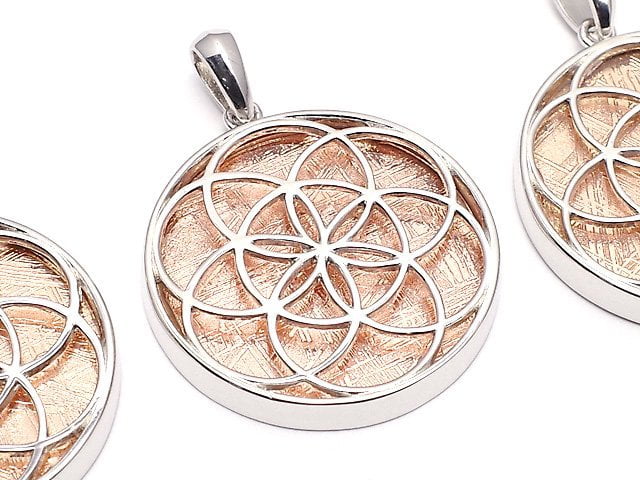
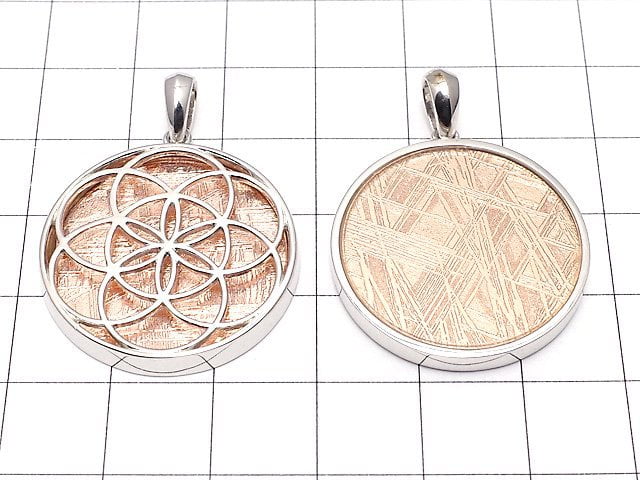
隕石生命種子設計款 硬幣項鍊墜 27mm 玫瑰金 純銀925


隕石(Muonionalusta)矩形吊墜 14x12x6mm 黃金925銀
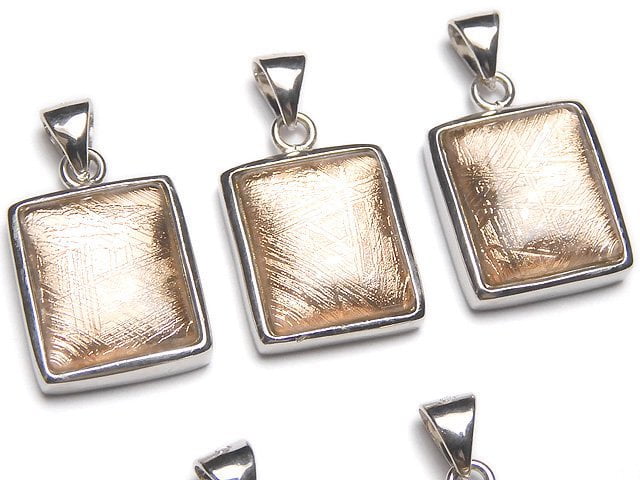
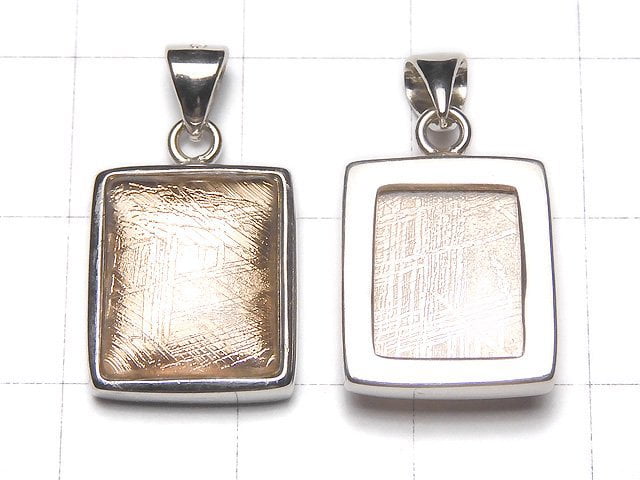
隕石 (Muonionalusta) 長方形吊墜 14x12x5mm 粉紅金 銀925


隕石 (Muonionalusta) 心形吊墜 14 x 16 x 6 mm 玫瑰金色 1 個


隕石 (Muonionalusta) 心形吊墜 14 x 16 x 5 毫米 1 件
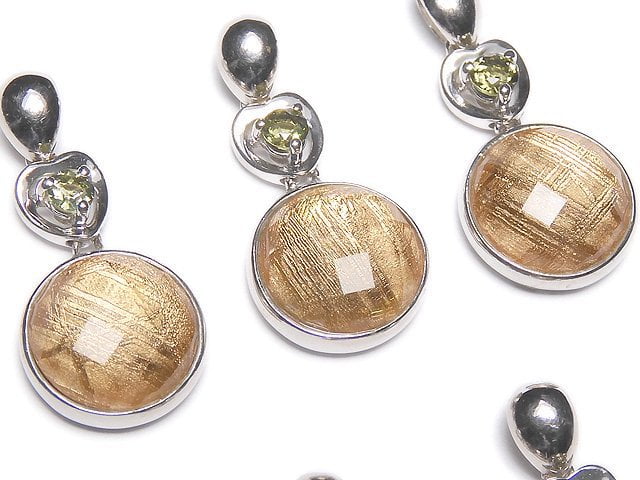
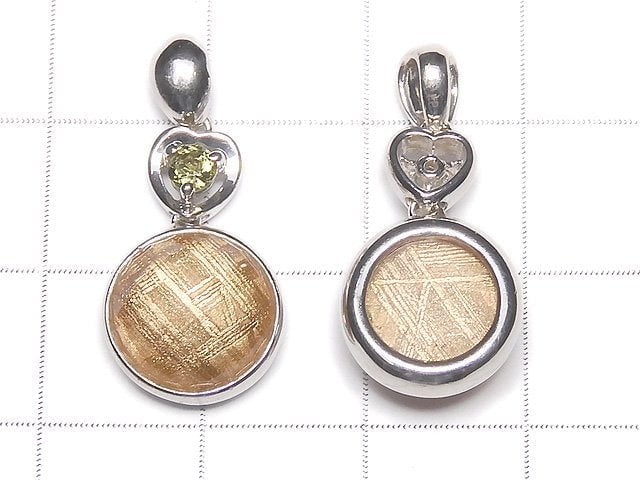
隕石與捷克隕石硬幣吊墜 11毫米 玫瑰金 銀925

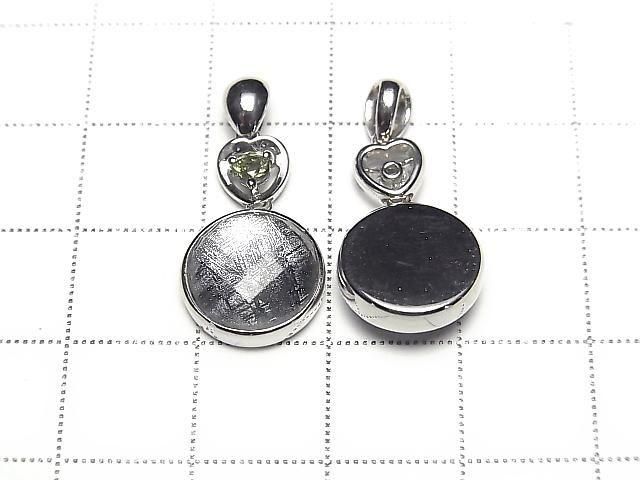
隕石和捷克隕石硬幣吊墜 11 毫米 純銀925
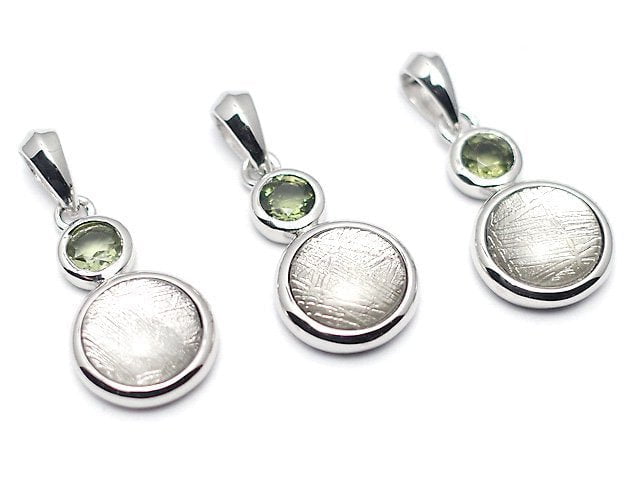
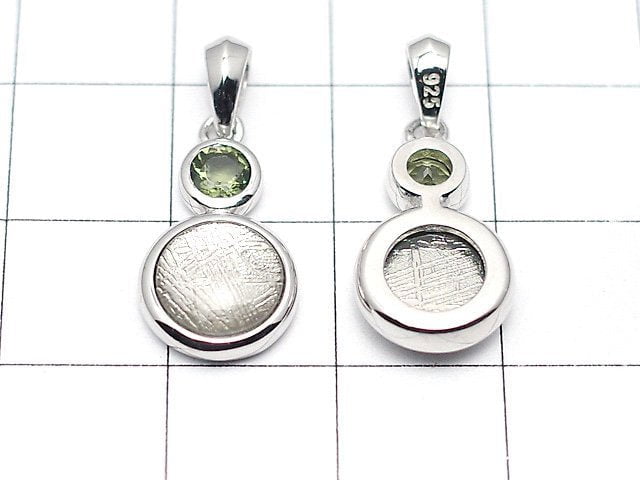
隕石與捷克隕石硬幣吊墜 10毫米 925銀
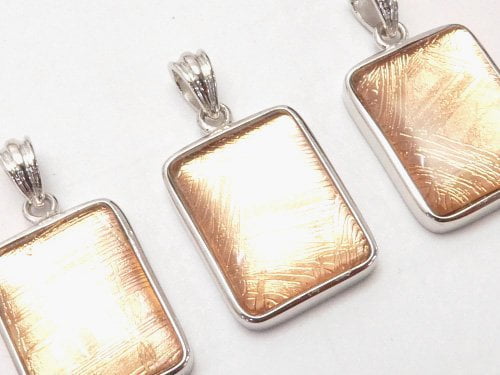

隕石長方形吊墜 18 x 13 x 6 毫米 玫瑰金 925銀

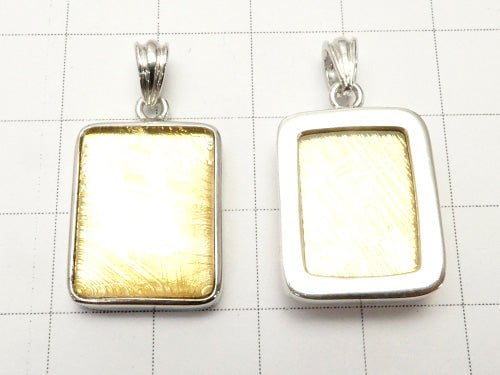
隕石長方形吊墜 18 x 13 x 6 毫米 金色 925銀

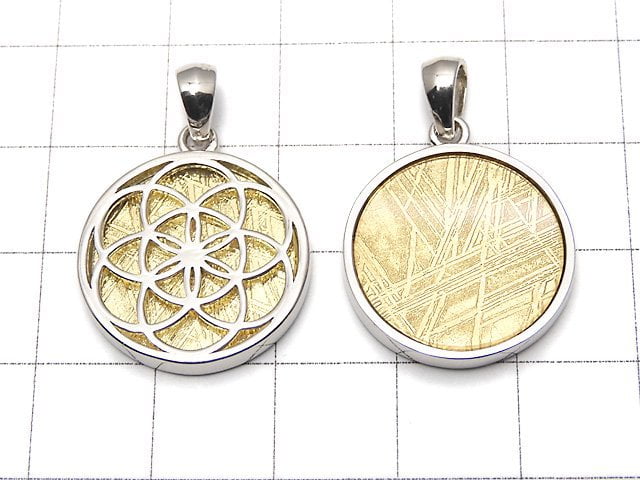
隕石生命種子設計墜飾金銀925 20mm
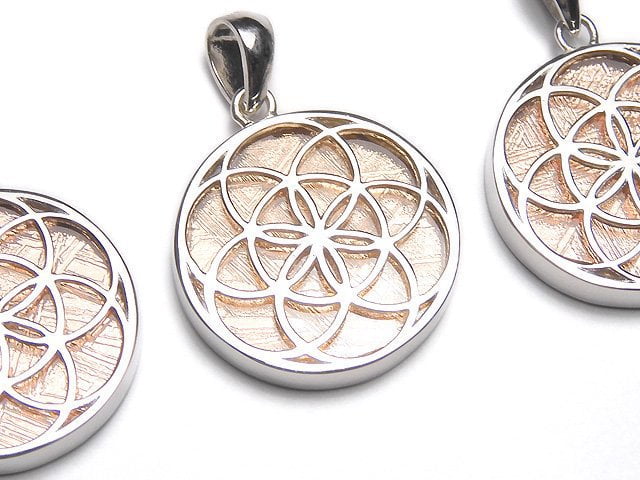
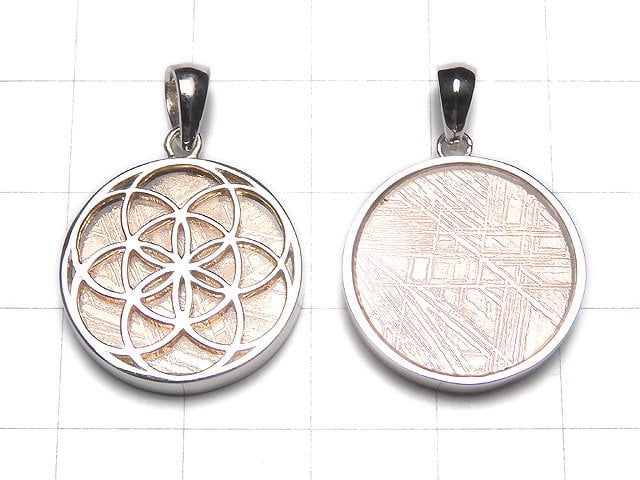
隕石生命種子設計墜飾 20毫米 玫瑰金925銀
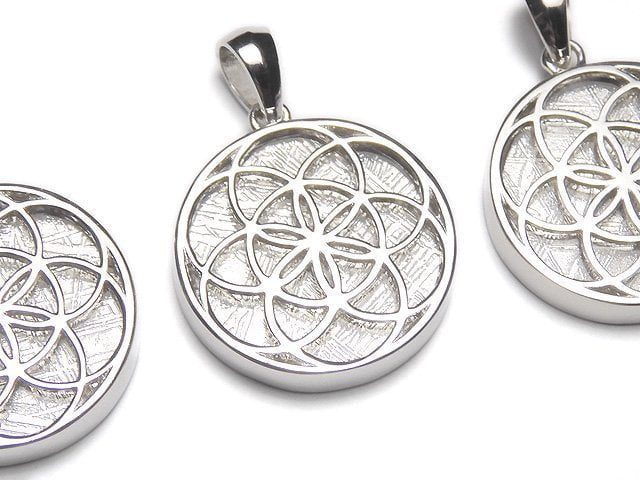

隕石生命種子設計墜飾錢幣造型 20 毫米 銀 925


隕石 (Muonionalusta) 長方形吊墜 27 x 19 x 4 毫米 1 件
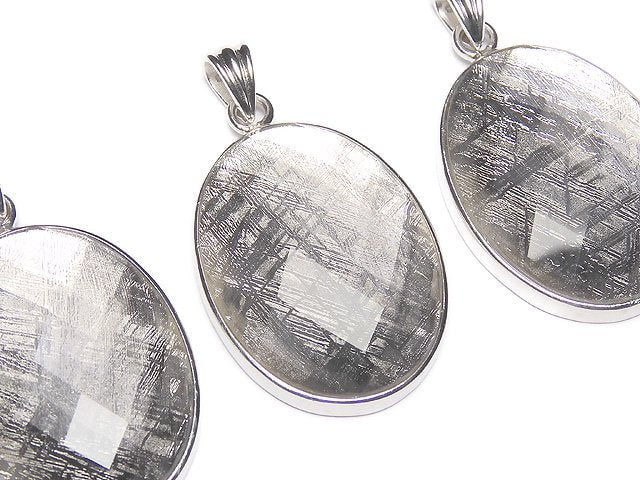

隕石(穆奧尼奧納盧斯塔)吊墜 32x24x8毫米 純銀925

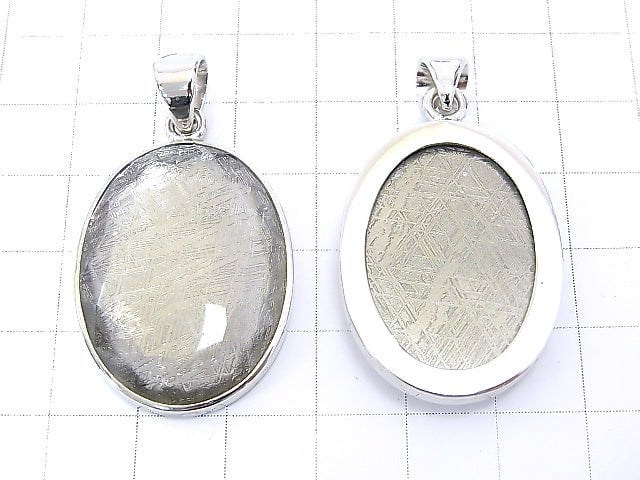
隕石刻面吊墜 32x24x7mm 純銀925
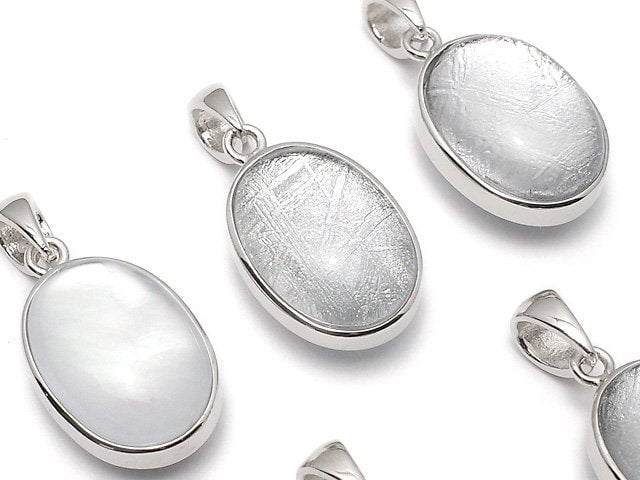

隕石和白貝橢圓形吊墜 16x11x9毫米 純銀925
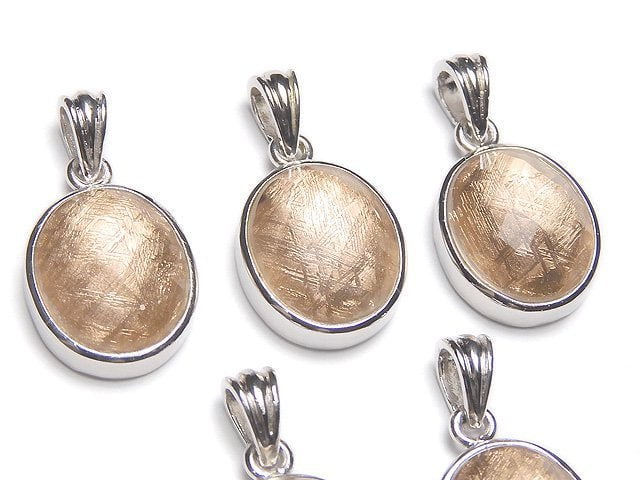
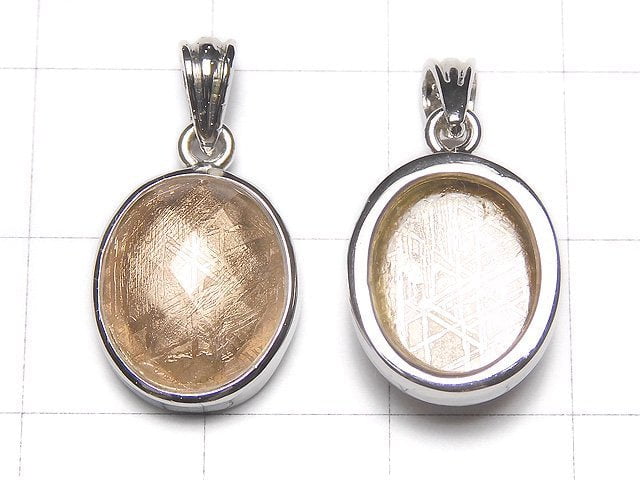
隕石刻面橢圓形吊墜 14 x 12 x 6 毫米 粉金 925銀
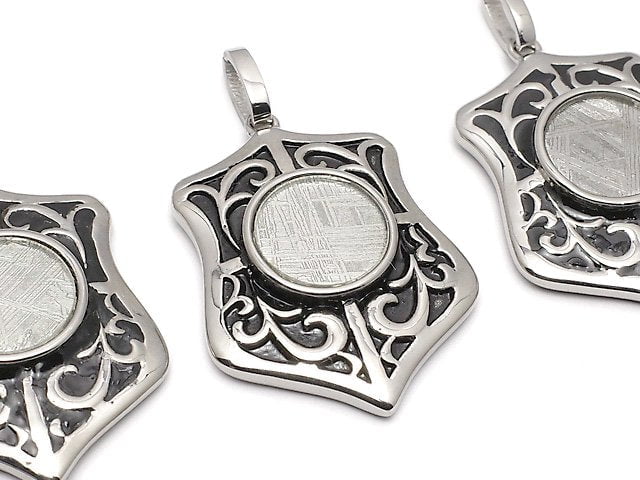
隕石 (Muonionalusta) 設計款包鑲吊墜 31 x 25 x 6 公釐 1 件
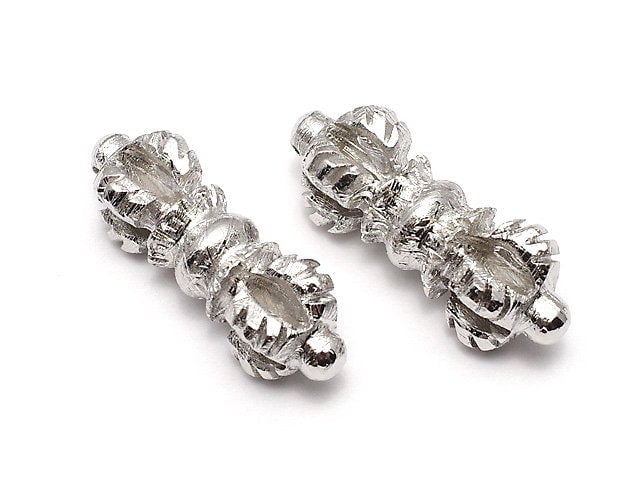
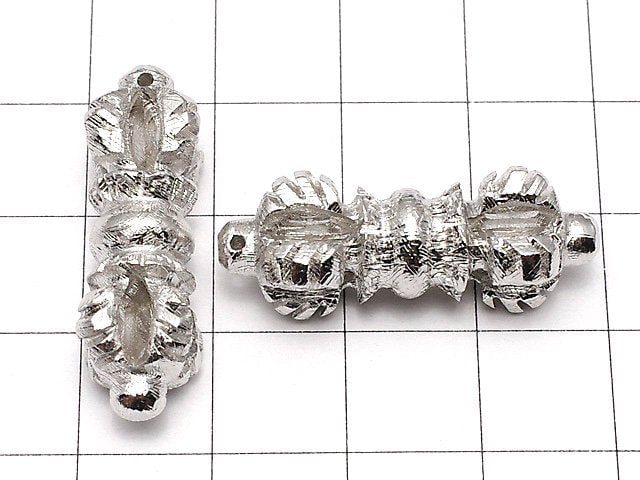
隕石 (Muonionalusta) 金剛杵 30x12x12mm 1個


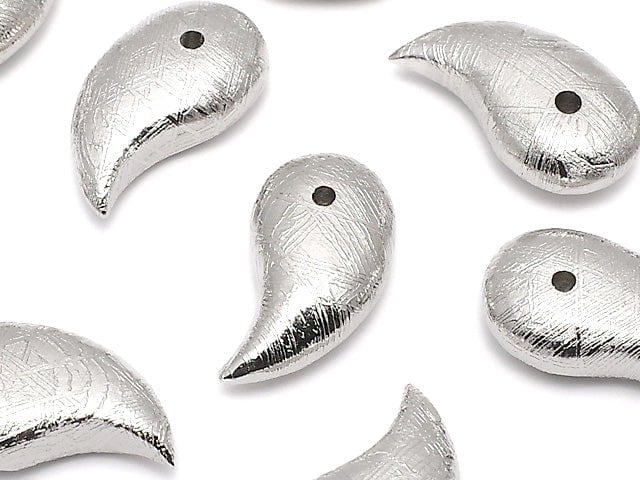
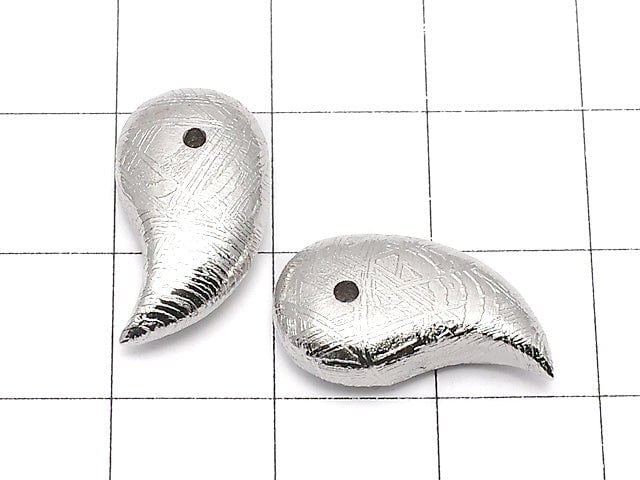
隕石(Muonionalusta)逗號形珠 18x10mm 1顆
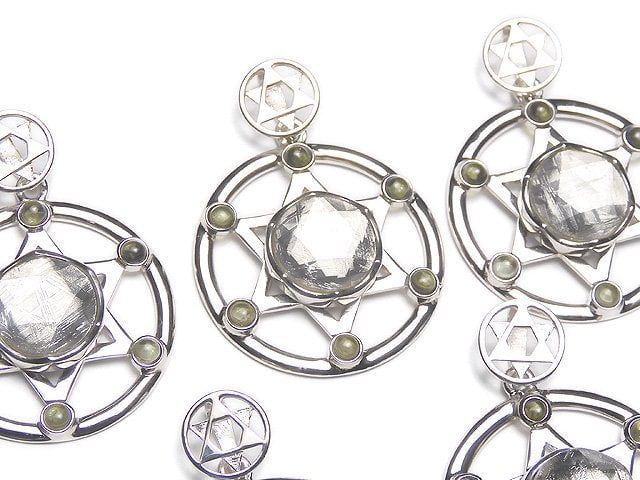
隕石 (Muonionalusta) 和捷克隕石 6顆!六芒星吊墜 30x30x7mm 1個
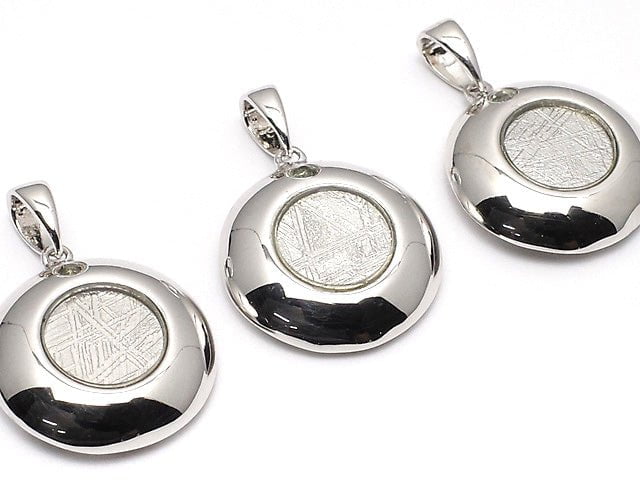
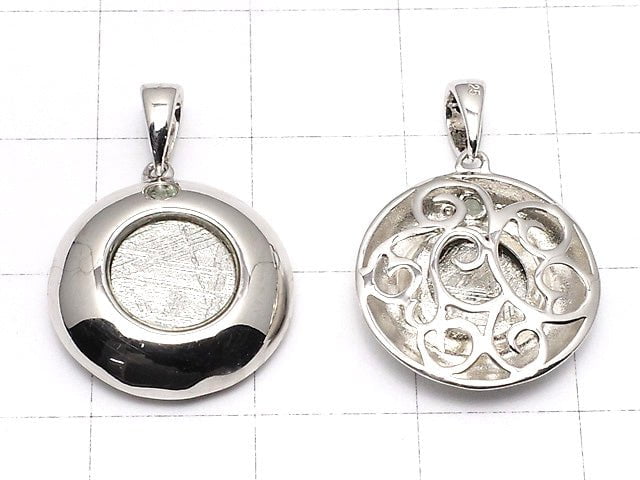
隕石 (Muonionalusta) 和捷克隕石硬幣吊墜 15 毫米 925 銀
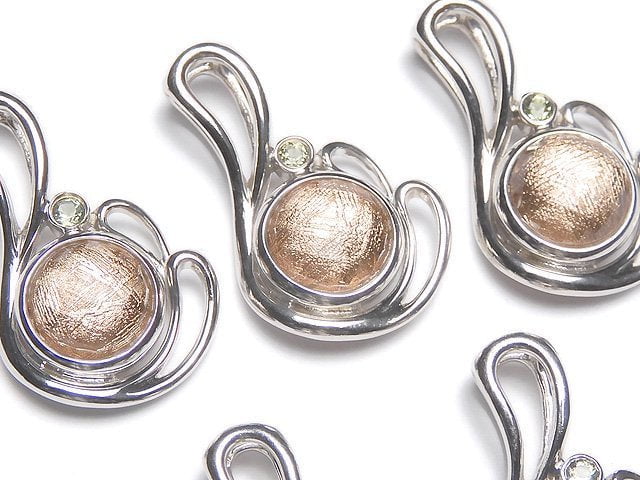
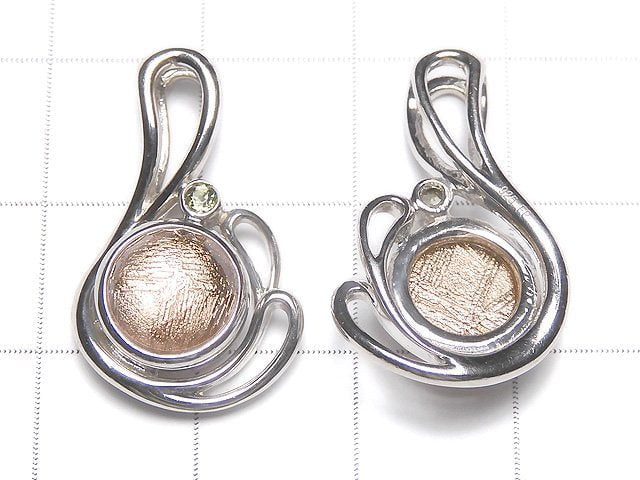
隕石與捷克隕石吊墜 24x15x7mm 玫瑰金 銀925
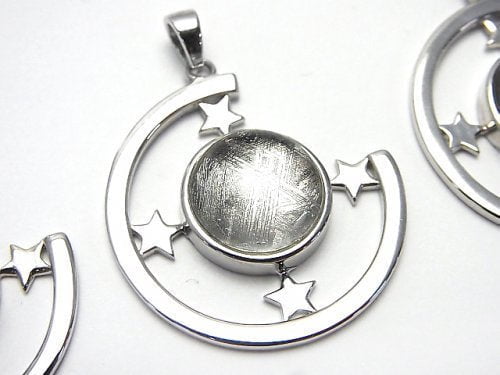
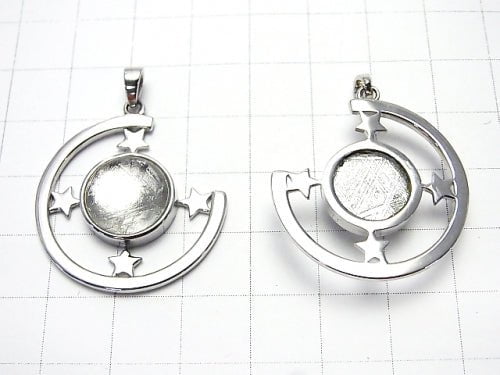
隕石 (Muonionalusta) 吊墜 28 x 28 x 6 公釐 星形包鑲 925 純銀


隕石吊墜 長方形 34x13x3毫米 雙面拋光 玫瑰金 1個
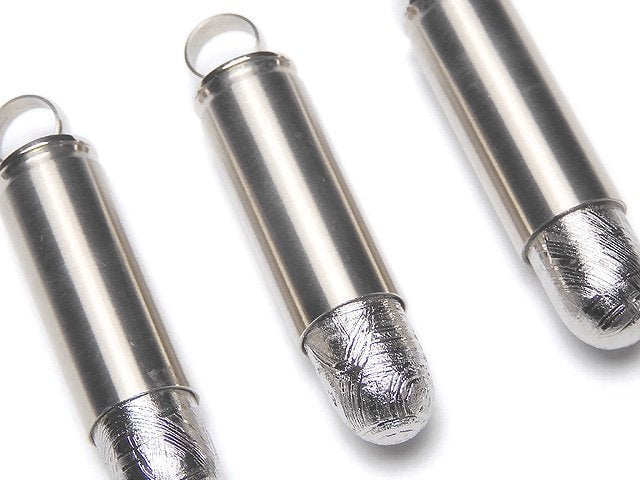
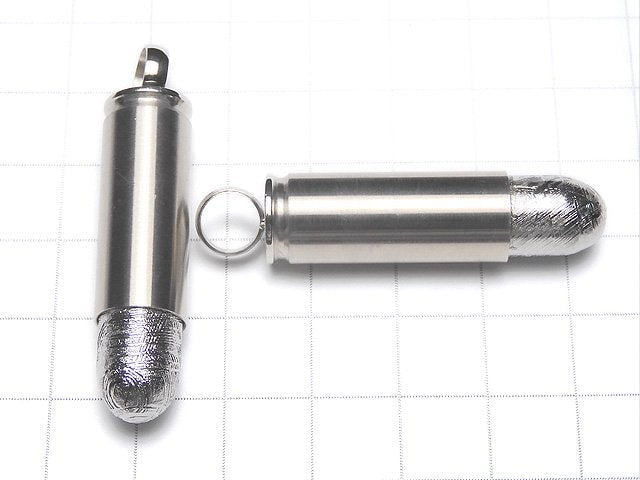
隕石 (Muonionalusta) 子彈墜飾 40x11x11 1件
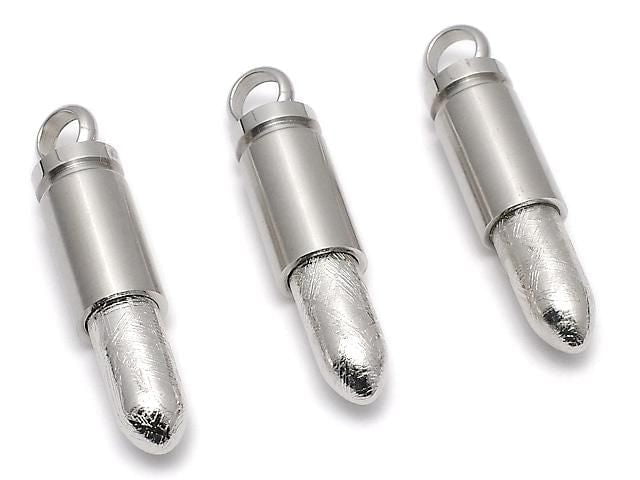
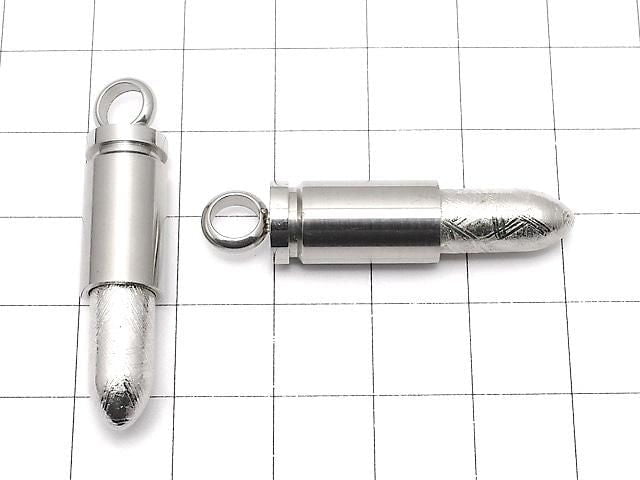
隕石 (Muonionalusta) 子彈吊墜 32x9mm 1件
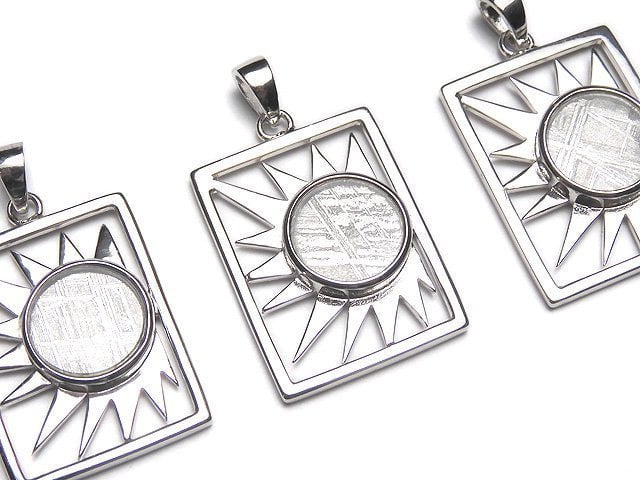

隕石(Muonionalusta)太陽圖案吊墜 24 x 18 x 3 毫米 925銀
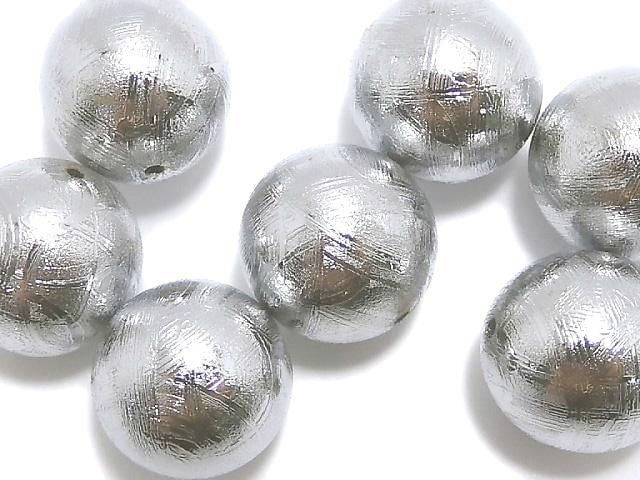
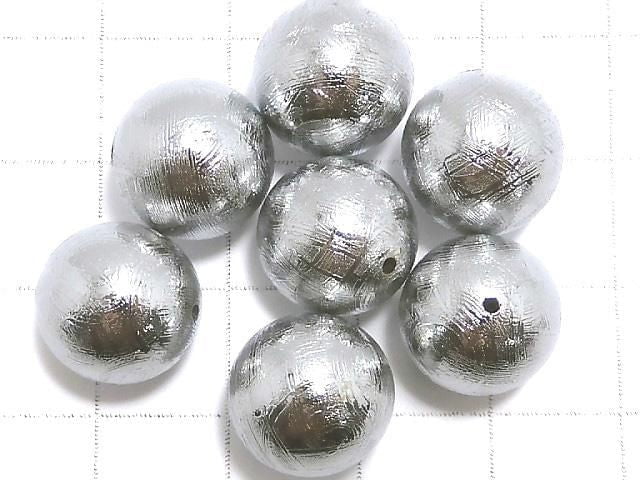
隕石 (瑞典M-A) 圓珠 12mm 1顆
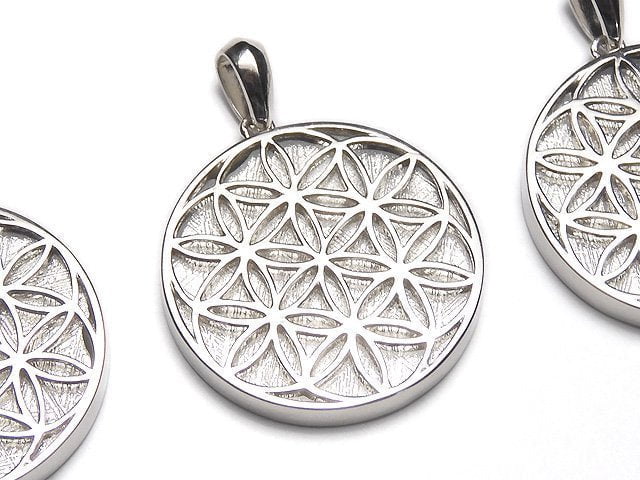
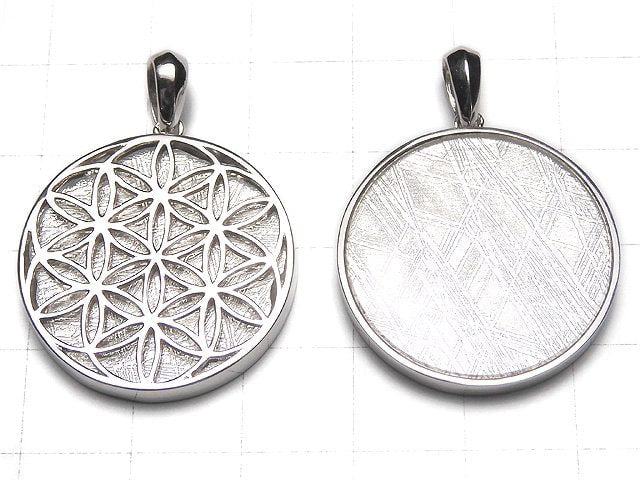
隕石生命之花設計項鍊墜子 27 毫米 純銀 925
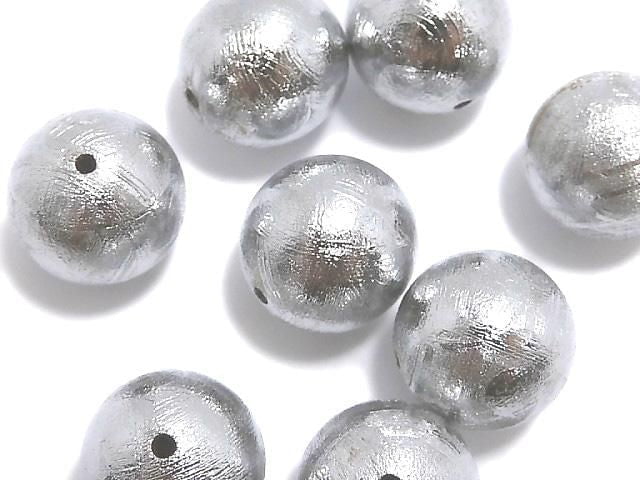
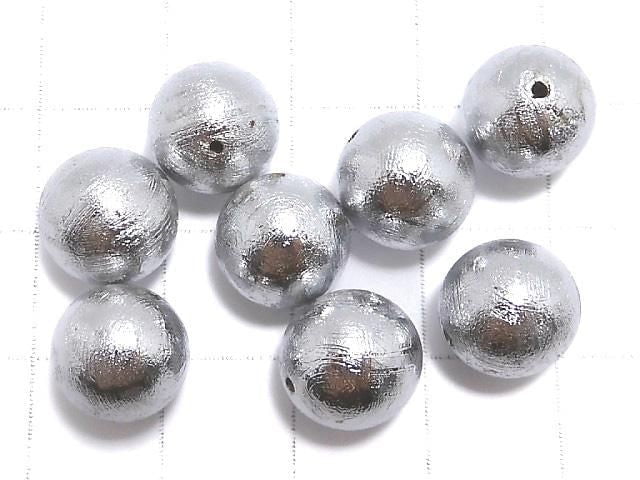
隕石(瑞典M-阿林)圓珠 10毫米 1顆
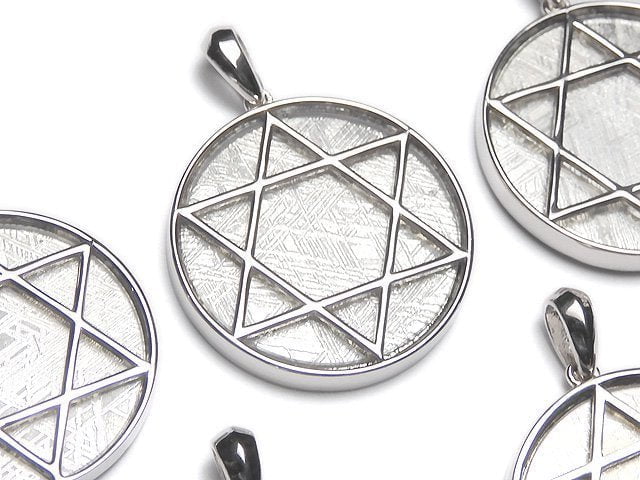
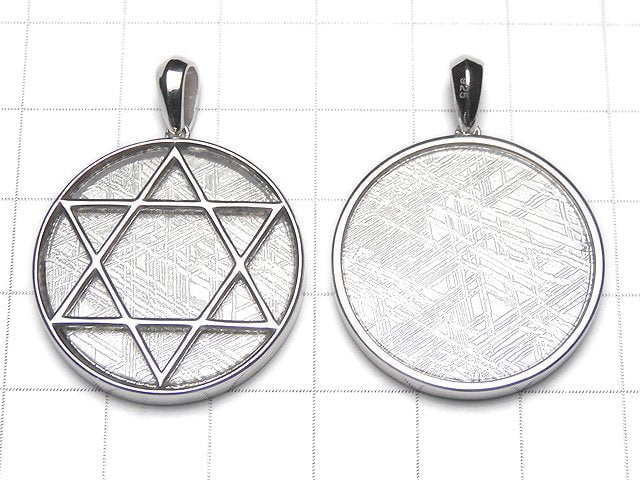
隕石(Muonionalusta)六角星形硬幣吊墜 27 毫米 純銀 925
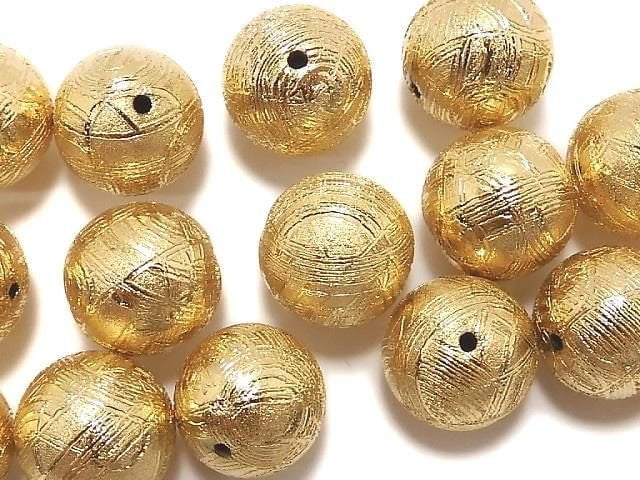
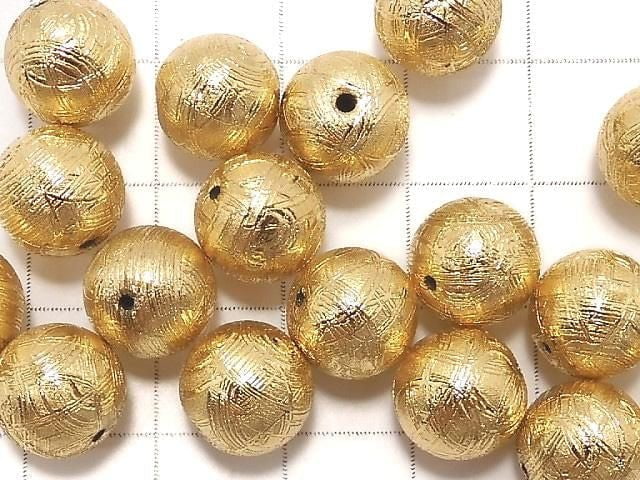
隕石(穆奧尼奧納盧斯塔)圓珠 10毫米 黃金 1顆
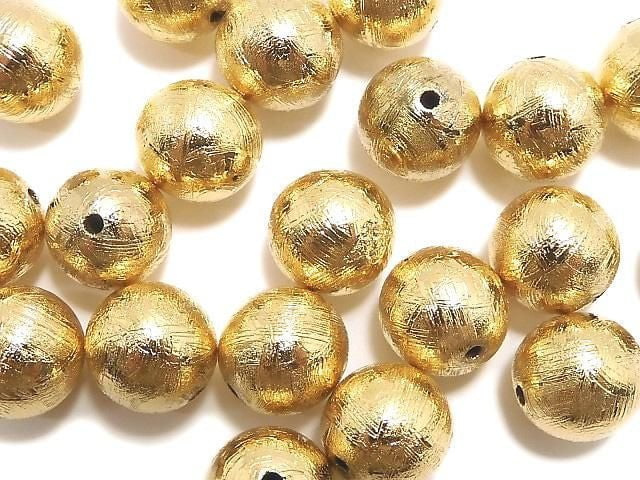
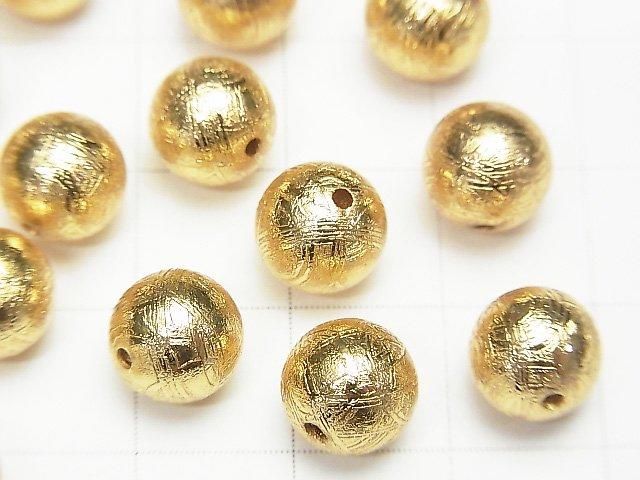
隕石 (瑞典穆奧尼奧納盧斯塔隕石) 圓珠 8毫米 黃金 1顆
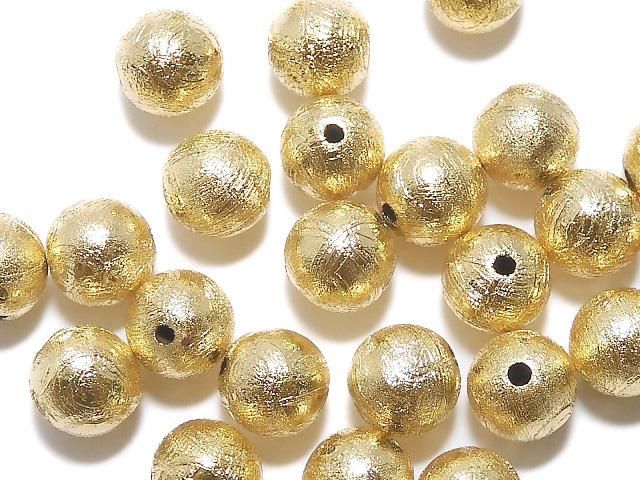

隕石 (Muonionalusta) 圓形 6mm 黃金 1顆
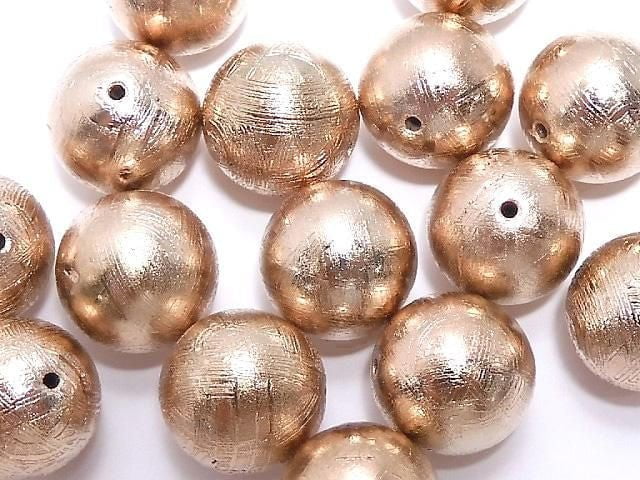
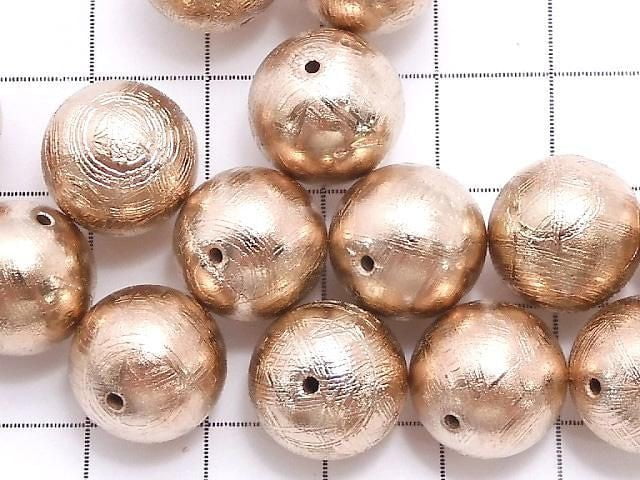
隕石 (Muonionalusta) 圓形 12mm 玫瑰金 1個
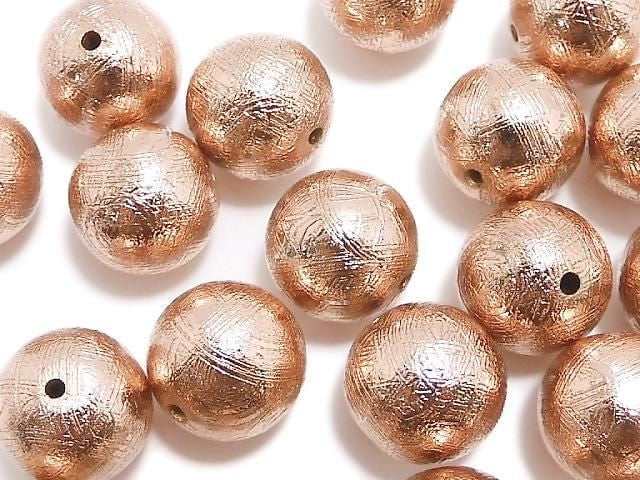
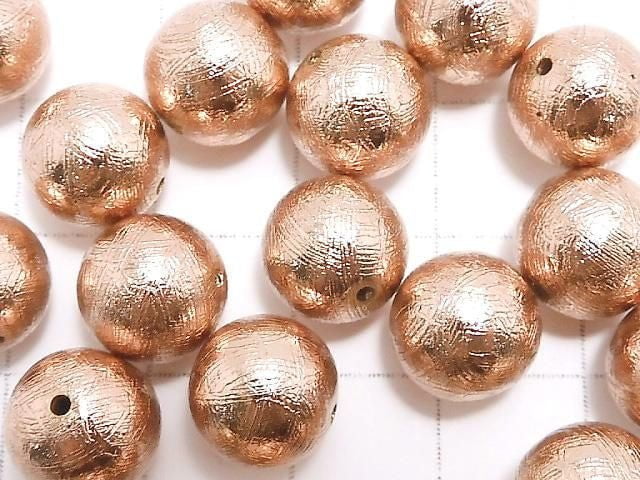
隕石(Muonionalusta)圓形 10mm 玫瑰金 1顆
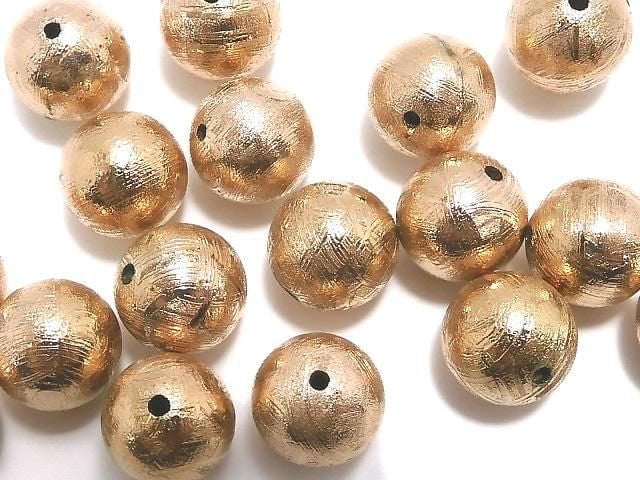
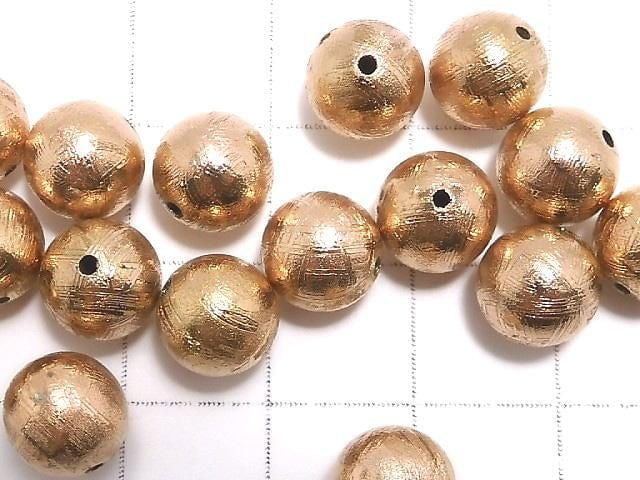
隕石 (Muonionalusta) 圓形 8mm 玫瑰金 1個
Recently viewed
Meteorite, its properties, meaning and types
- 1. Meteorite
- 2. Types of Meteorites
- 2-1. Stony meteorites
- 2-2. Iron Meteorites
- 2-3. Stony-Iron Meteorites
- 3. Gemstones Formed by Meteorite Impact
- 4. Meteorite Value
- 5. Meteorite for Sale Courtesy of KenKenGems
Meteorite
While most gems are born in the earth's crust, meteorite stones are guests from other worlds, other galaxies. Having traveled millions of miles through space, they find their last refuge on earth, and their approach is always a spectacular show. Their shine in the night sky is not the only reason we love meteors for. The appearance of raw space rocks can be unsightly - for the most part, they are gray-brown on the outside. However, as soon as you look inside, their unearthly beauty will blow your socks off. Meteorites are a great finishing touch for your jewelry thanks to the amalgamation of out-of-this-world allure and cosmic motif.
Types of Meteorites
Meteorites are dissimilar in terms of their composition. Some of them are made of rocks, another group is alloys of different metals, and others combine the features of both.
Stony meteorite
The most common (and the most ancient, more than 4.5 million years old) meteorites are comprised of silica. There are two types of stone meteorites - chondrites and achondrites.
Chondrite meteorite
Chondrites are a primitive and invariable form of space rocks because they have never been subject to geological activity or melting. You can recognize chondrites by inclusions of silica minerals and sulfide grains. One of the largest meteor showers observed by mankind brought us fragments of a chondrite stone dubbed as Sahara NWA 869. Found in the Sahara Desert, it has a deep chocolate color with gray accents and countless metallic flecks.
Achondrite meteorite
Achondrites, the other type of stony meteorite, have turned into magma and then cooled down again at some point in their life cycle. Because of these transformations, their internal structure is layered and concentric.

Iron Meteorite
Muonionalusta / Gibeon Meteorite
Contrary to what their name suggests, they are not made entirely of iron. Instead, their chemical composition features iron, nickel, sulfide, various carbide minerals, as well as trace heavy metals. Scientists believe that iron meteorites are former asteroid cores. Iron meteorites used in jewelry-making provide a stunning crystalline structure formed by different layers of nickel and known as the Widmanst?tten pattern. These cross-sectional patterns are a trademark of The Gibeon meteorite fallen in Namibia. Another well-known iron meteorite was found in 1906 in Sweden nearby the Muonio River, which gave it its current name - Muonionalusta. It is one of the oldest meteorites found on earth and one of the most gorgeous.
Campo del Cielo
If you value history associated with extraterrestrial rocks more than their pretty looks, you should consider getting a fragment of the Campo del Cielo Meteorite from Argentina. Scientists suggest that about 6,000 years ago, Earth had not one, but two moons! However, for a hitherto unknown reason, the lesser of the moons fell to earth in South America and formed what we now know as the Campo del Cielo meteorite field measuring 17 by 6 kilometers. Small, featuring a dark metallic finish and bizarre shapes, Campo del Cielo meteorites are the most mysterious and fancy decorations you can get.
Sikhote-Alin Meteorite
Sikhote-Alin Meteorite, which landed in Russia in the middle of the 20th century, provides curious specimens of an extraterrestrial iron-nickel alloy. These shards offer delightful sculptural and surface qualities that are sure to glue onlookers’ eyes to your piece of jewelry.

Stony-Iron Meteorites
These meteorites contain an iron-nickel alloy and silica in approximately equal parts. Some meteorites of this group even feature inclusions of precious stones. Depending on their chemical composition and internal structure, stony-iron meteorites are divided into pallasites and mesosiderites.
Pallasite meteorite
Pallasites look similar to Swiss cheese. They are made up of solidified nickel-iron mass and the holes are inclusions of translucent semiprecious olivine stones. Pallasites are a rare type of space rock, they make up only 1% of the known meteorites found on Earth. At the same time, there are pallasites which rarity is extreme - some of these meteorites contain diamonds instead of olivian. Presumably, these diamonds are older than the age of the entire Solar System!
The most well-known source of Pallasite stones is the Sericho meteorite from Kenya discovered in 2016. Caramel aggregations of extraterrestrial olivine are enclosed in a molten iron-nickel matrix, and this combination looks truly out-of-this-world.
Mesosiderite
Mesosiderites are formed when two asteroids collide. Their internal structure is the result of the mixing and fusion of their original components. A slice of mesosiderites displays small fragments of silicates congealed in a melted and solidified metal alloy.

Gemstones Formed by Meteorite Impact
Sometimes meteorites crash into the ground with such force that they melt themselves and the soil around them. The result of tremendous pressure and temperature are glassy tektites displaying colors ranging from green to brown and black. A meteorite that formed the Popigai crater in Russia had an impact force sufficient to turn carbon-rich soil into diamonds. Still, diamonds are an unlikely result of a collision. Most often, tektites are rather soft minerals lending themselves well to en cabochon cuts.
There is a great variety of tektites, many of them have their names originated from the regions where they were found in. Bediasites and Georgians are mined in the Chesapeake Bay crater in the United States. The countries of origin for Australians, Chinites, and Indochinites are Australia, China, and Indochina respectively. Some of the finest tektites are found near the river Moldau in Germany, and now these olive-green gems are known as Moldavites.
Impactites occur when meteorites hit the surface of the Earth and melt down silicon dioxide aka sand. Some of the most magnificent impactites have the trade name Libyan Desert Glass, as they mined in the Libyan Desert, a remote area of Sahara.
Meteorite Value
Mysterious and shrouded in multi-million-year history meteorites are highly valued. However, unlike gems of terrestrial origin, their price can fluctuate in the range from one dollar to thousands of dollars per 1 gram. The cheapest Chondrite stones can actually cost below $ 1 per gram. The price for premier Sikhote-Alin meteorites starts at $ 2-3 per gram. Pallasites are some of the most mesmerizing specimens of meteorites, and the most expensive ones, too. Their average price per gram often exceeds $20-$40.
A meteorite is always a smart investment. As the supply from a particular meteorite field depletes, the cost of space rocks skyrockets. A meteorite purchased today for a modest $10 could be worth thousands of dollars decades later.
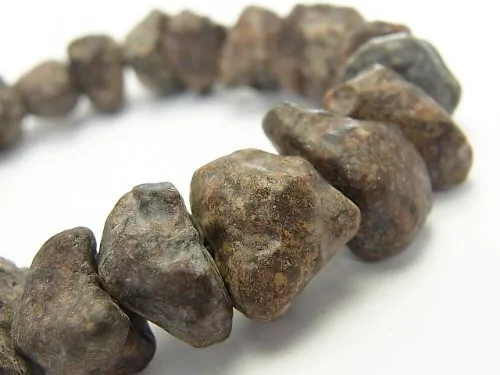
Meteorite for Sale Courtesy of KenKenGems
Rocks that fell from the sky have both scientific significance and decorative value. With a rare and extremely beautiful space gem as your talisman or piece of jewelry, you’re bound to draw interest from near and far. KenKenGems is here to quench your thirst for gem-quality extraterrestrial rocks.
Iron meteorites such as Muonionalusta or Campo del Cielo found in our catalogs make out-of-ordinary beads and inlays for earrings and pendants. The beauty of Moldavites is able to overshadow even the finest gems of terrestrial origin. Kenya Sericho Pallasite will give a new allure and significance to your body ornaments. And if you’d like to craft a one-of-a-kind piece of jewelry displaying a sculpture-quality rock, our undrilled Sikhote-Alin meteorite will come in very handy.
KenKenGems delivers meteorite stones from all over the globe, so don’t hesitate to explore the beautiful world of extraterrestrial rocks.
