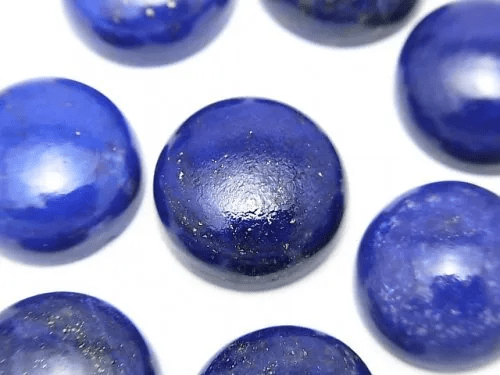
青金石的特性
青金石在公元前3千年就已經被視為搶手的商品,用來製作藝術品。對於古埃及人來說,這種珍貴的寶石是他們能贈予已故法老作為陪葬品中最珍貴的。因此,一些青金石被加工到圖坦卡蒙的黃金面具上。對於歷史上許多統治者來說,青金石被視為一種保護石。據說,古老的貿易路線,絲綢之路,以前被稱為青金石之路。這種寶石由於其天藍色,也曾被用作顏料。它被加工成化妝品並用於繪畫中。
在17世紀著名畫家約翰內斯·維梅爾的《戴珍珠耳環的少女》中,也使用了青金石來呈現那美麗的藍色。
青金石的名稱部分起源於阿拉伯語。單詞「Azul」(英文:sky),來自阿拉伯語,被引入拉丁語,並添加了單詞「Lapis」(英文:stone)。
青金石是世界上最古老的寶石之一,古人曾將其用於化妝、繪畫和裝飾。
青金石珠子的特點


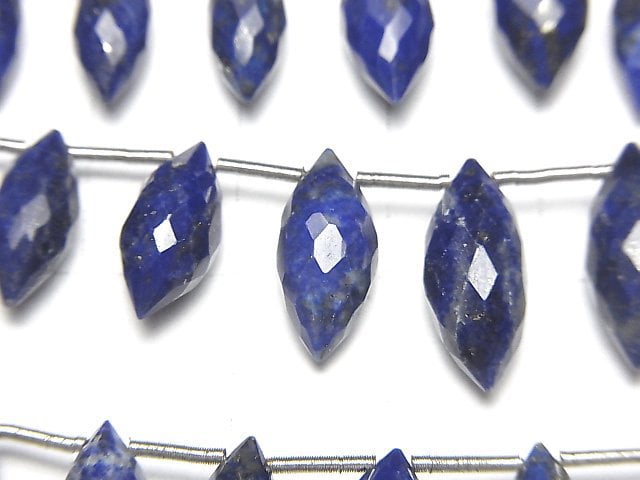
高品質青金石 AA++ 馬眼形刻面米珠半串或一串珠子 (約6英吋/14公分)
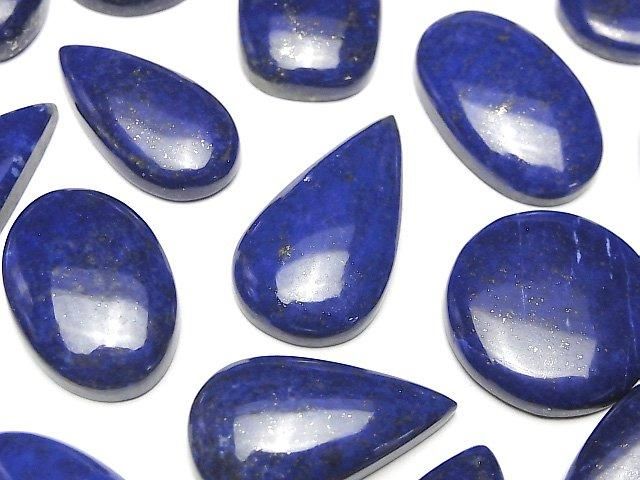
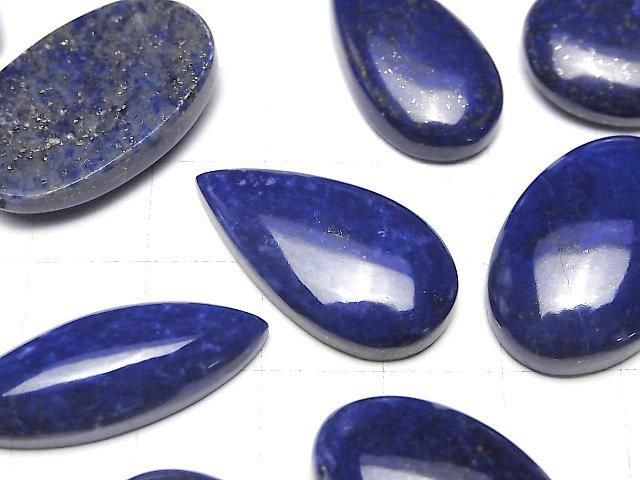
青金石 AA++ 混合形蛋面 5顆
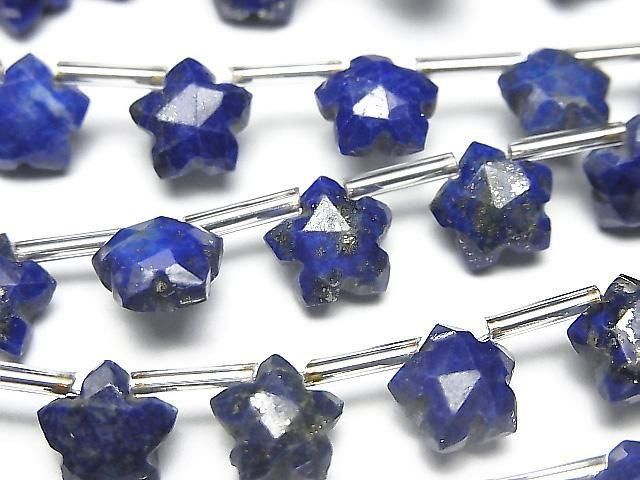
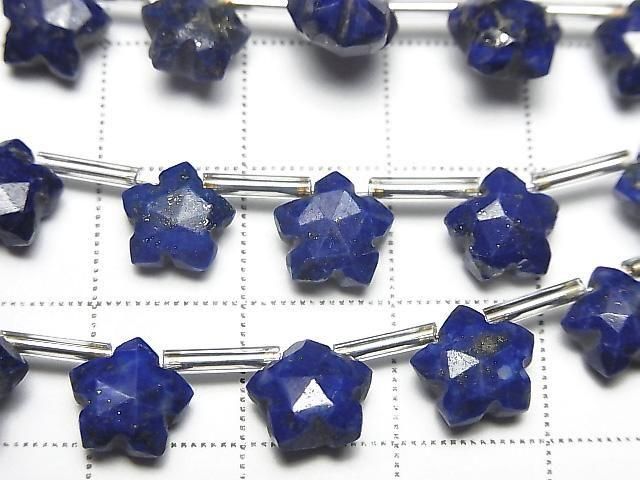
青金石 AA++ 刻面星星 8x8公釐 1串珠子 (8顆)

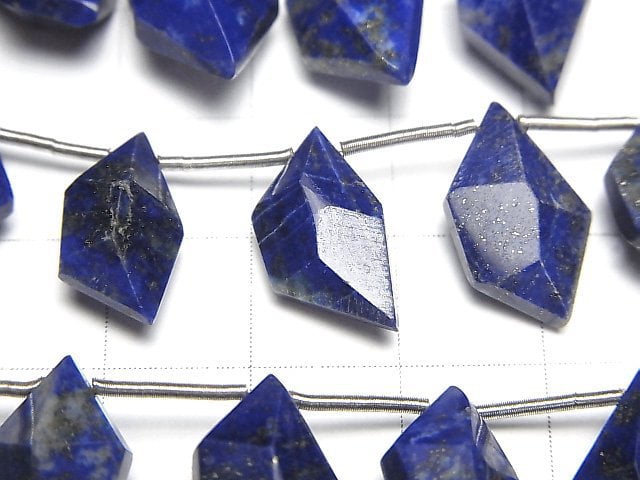
高品質AAA級青金石 - 橄欖珠 1串(約11顆)
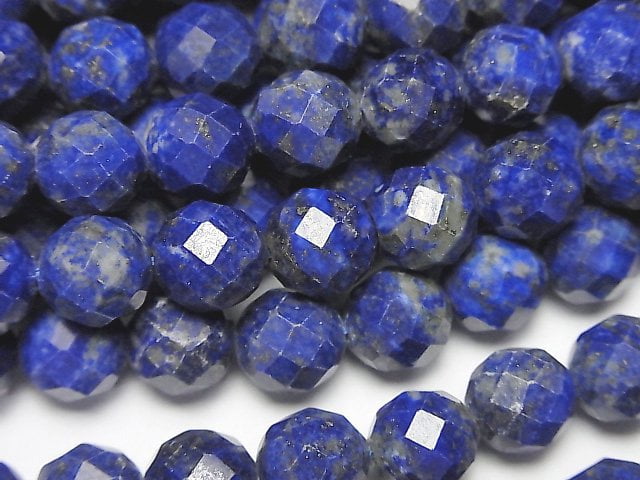
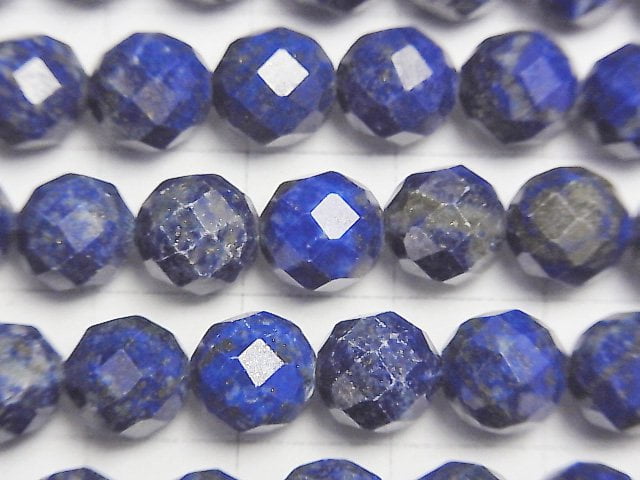
青金石 AA+ 切面圓珠 8mm 一串 (約15英吋/36公分)
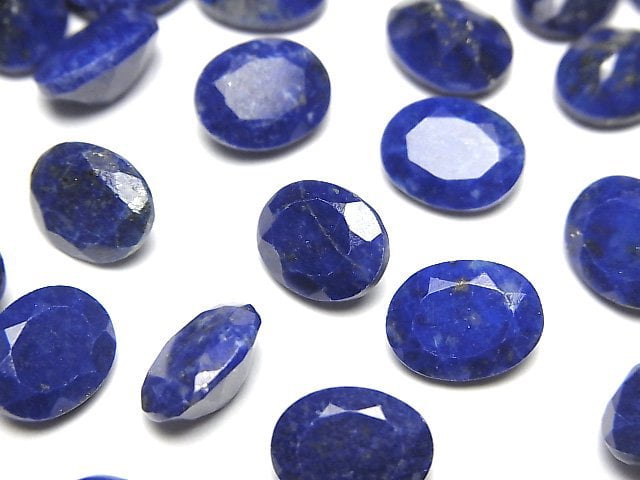
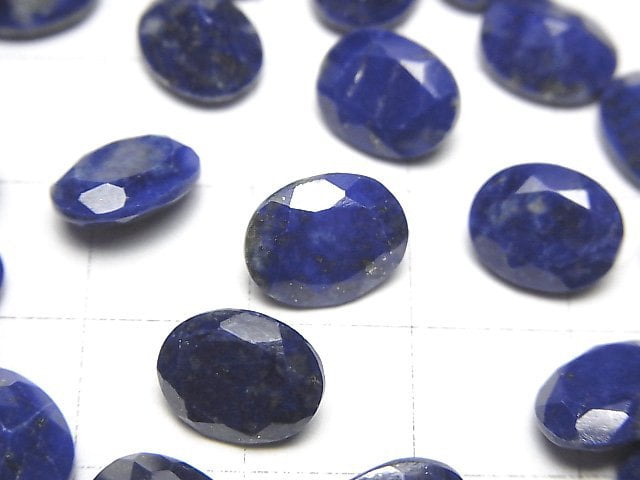
青金石 AA++ 裸石 橢圓刻面 10x8mm 3顆
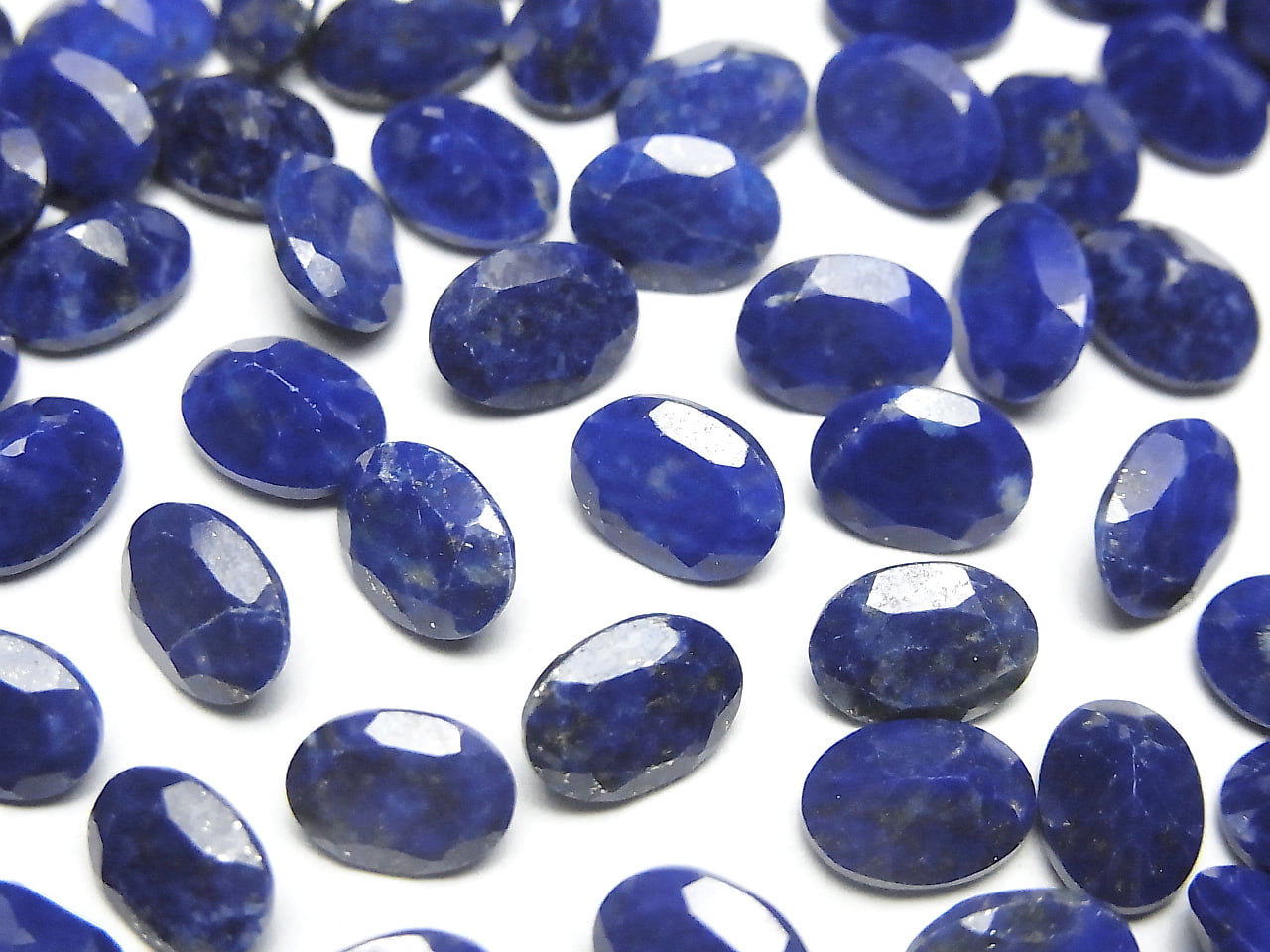
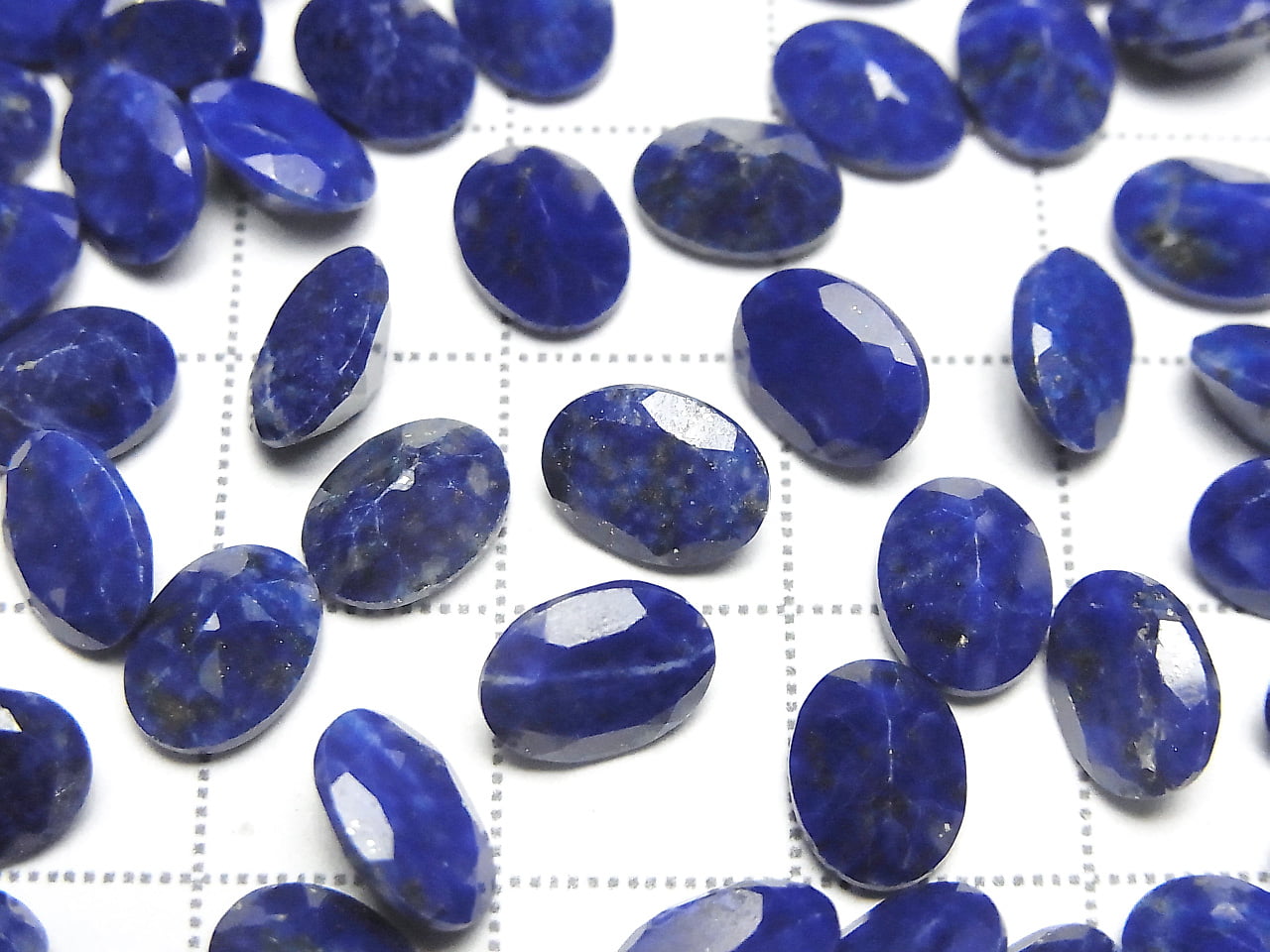
青金石 AA++ 橢圓刻面裸石 8x6mm 5顆
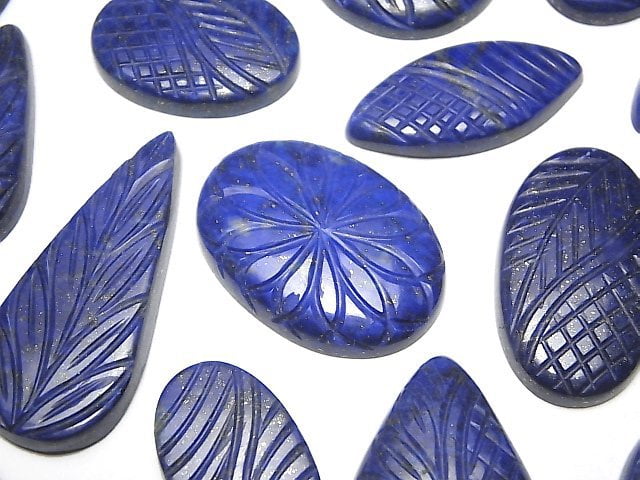
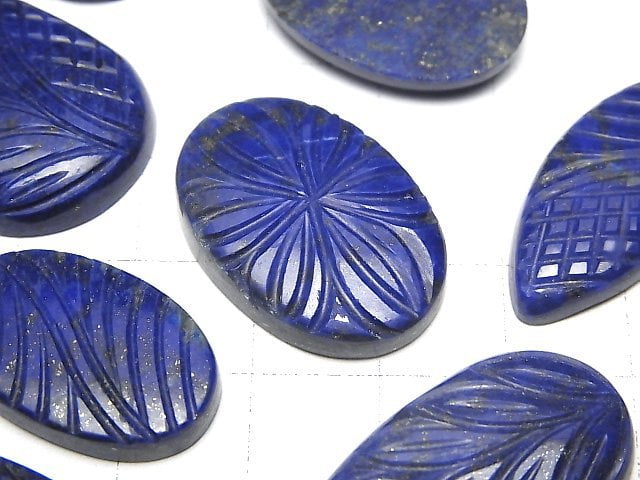
青金石 AAA 雕刻素面混合形狀 2顆
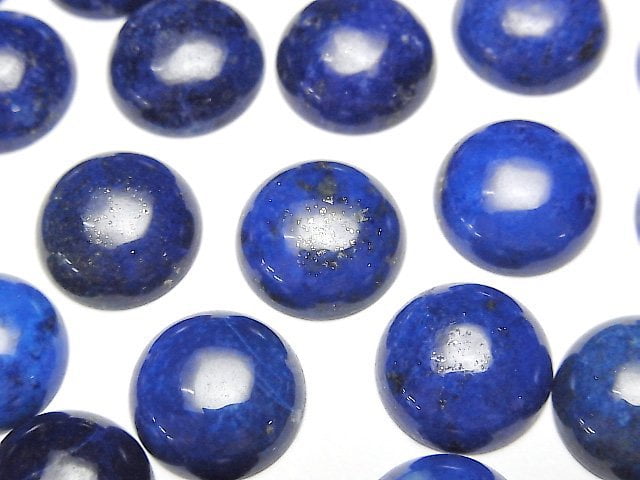
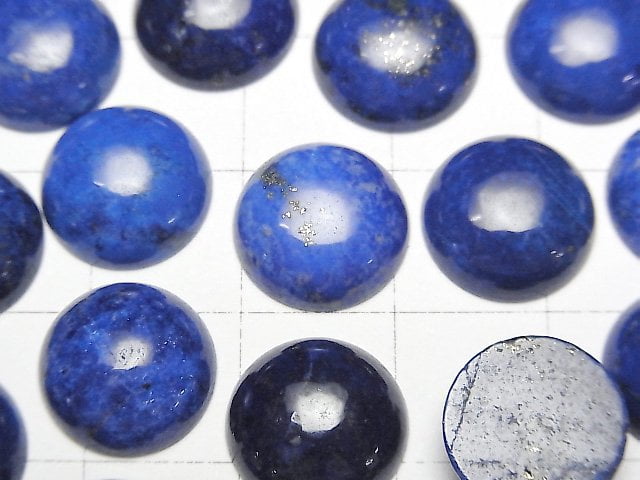
青金石 AAA 圓形素面蛋面 12x12mm 3顆

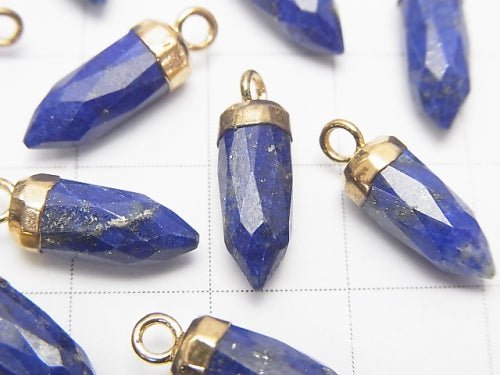
青金石AA刻面尖頭吊墜 12x5x5毫米 金色 2個
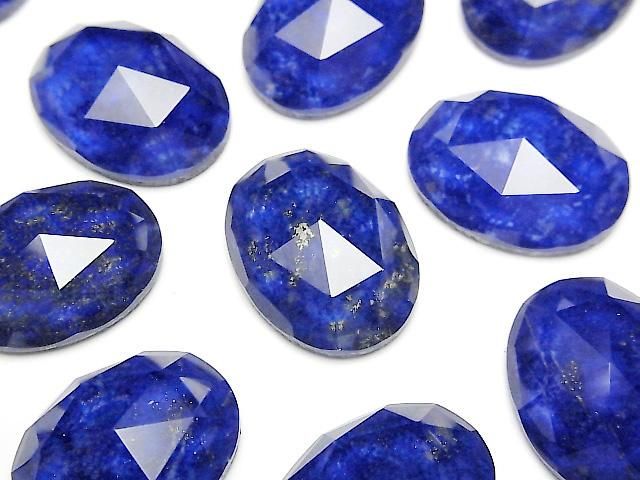
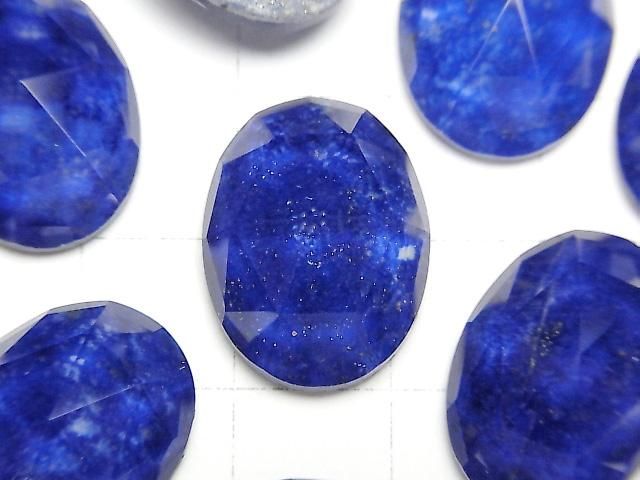
青金石 x 白水晶 AAA 橢圓玫瑰切工 20x15mm 1顆
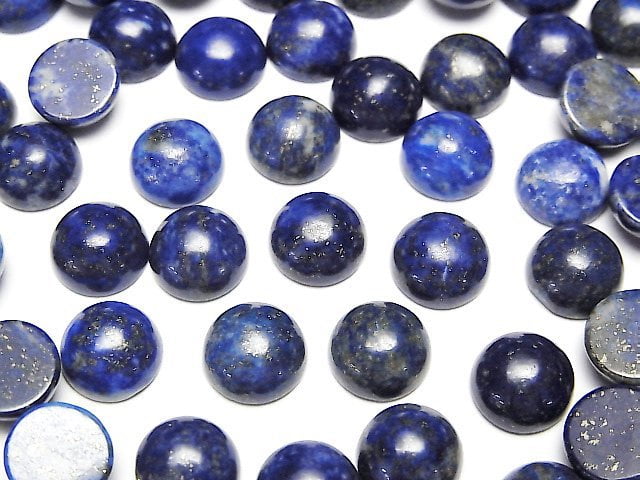
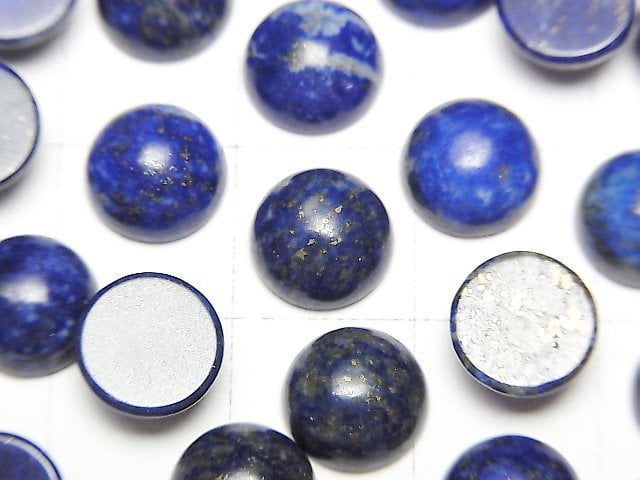
青金石 AA+ 圓形蛋面 8x8mm 5顆
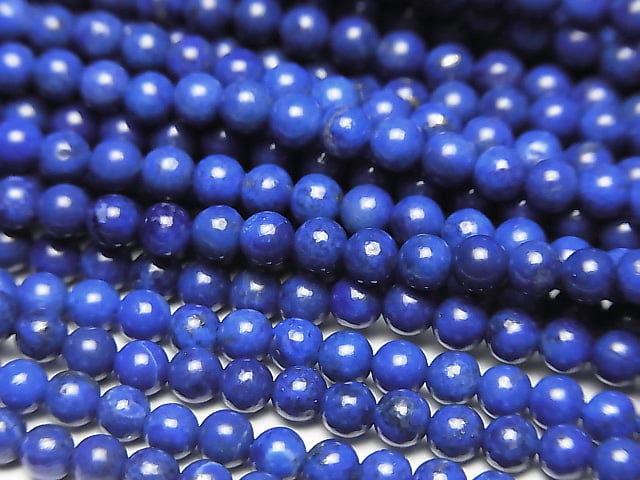
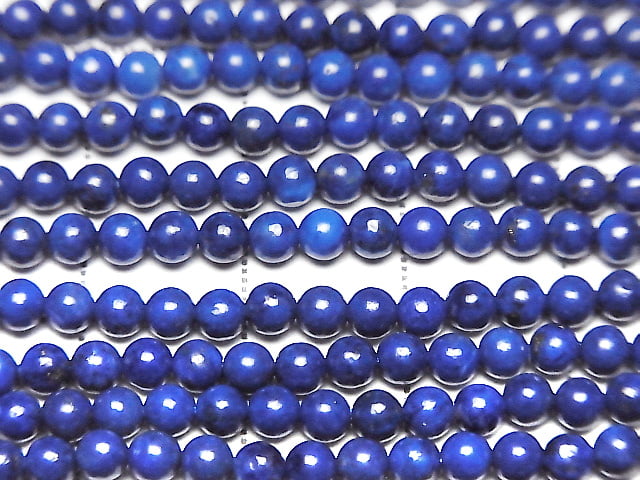
青金石 AAA 圓珠 3mm 1串 (約15英吋/38公分)

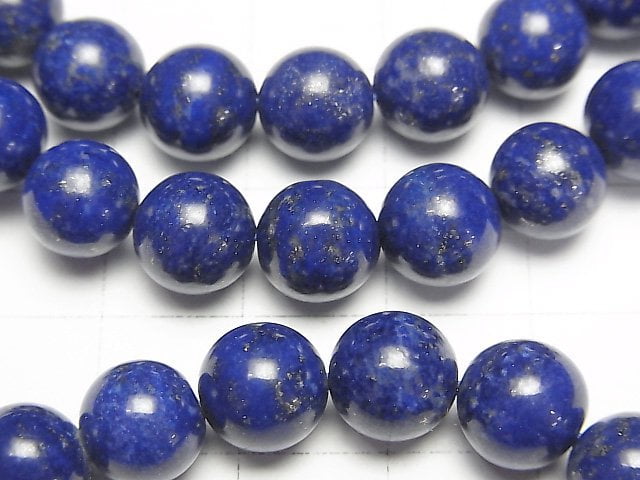
青金石 AA++ 圓珠 8.5毫米 手鍊
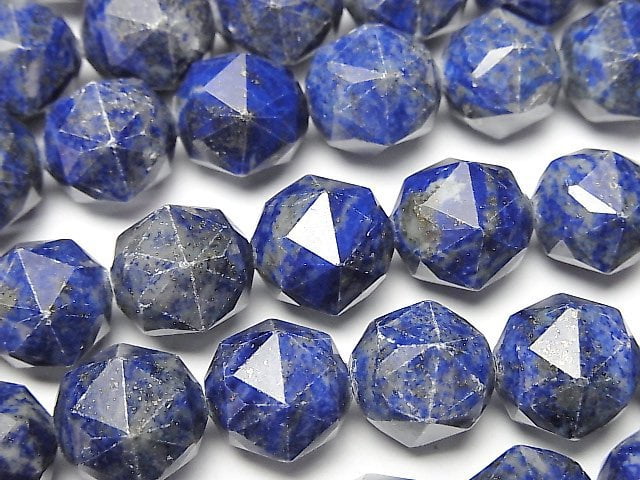
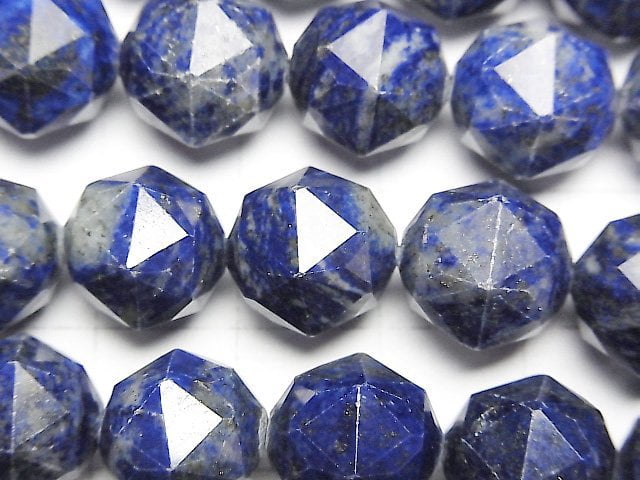
高品質!青金石 AA 刻面圓珠 12mm 半串或 1 串珠子(約 15 英寸/37 厘米)
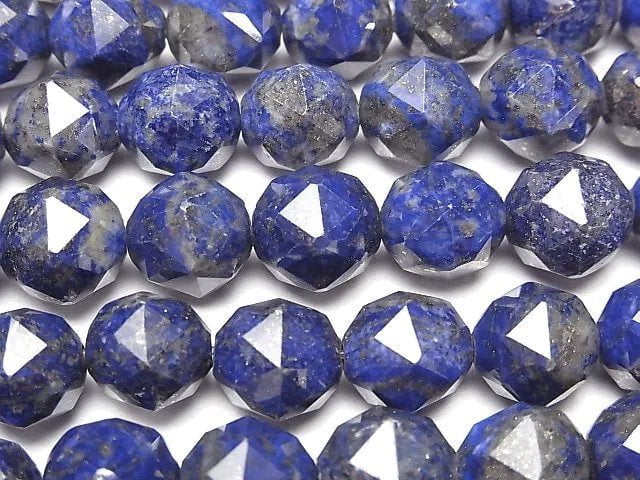
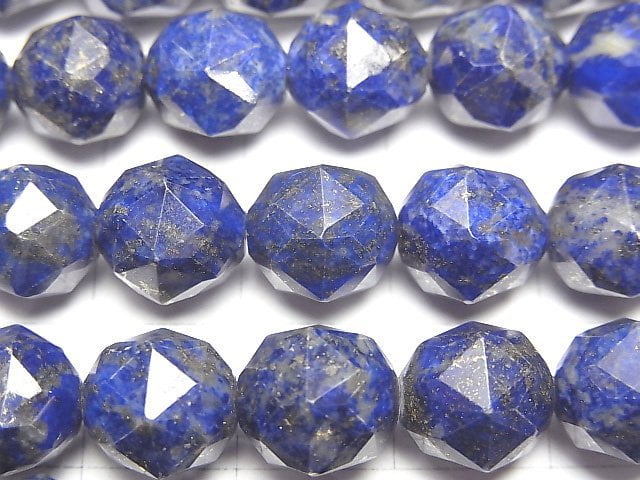
高品質!青金石 AA 刻面圓珠 10mm 1串 (約15英吋/37公分)
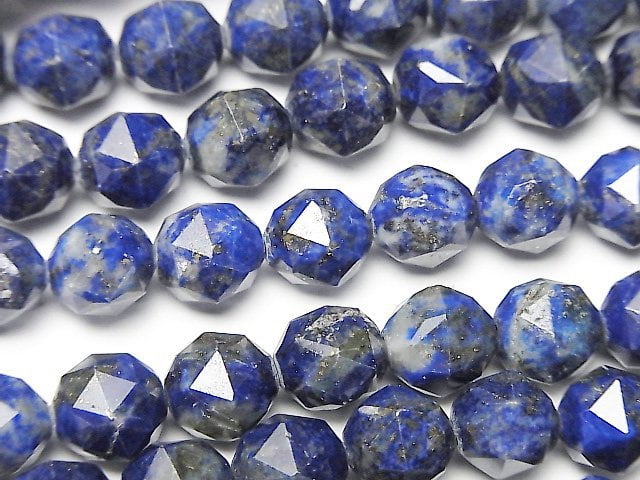
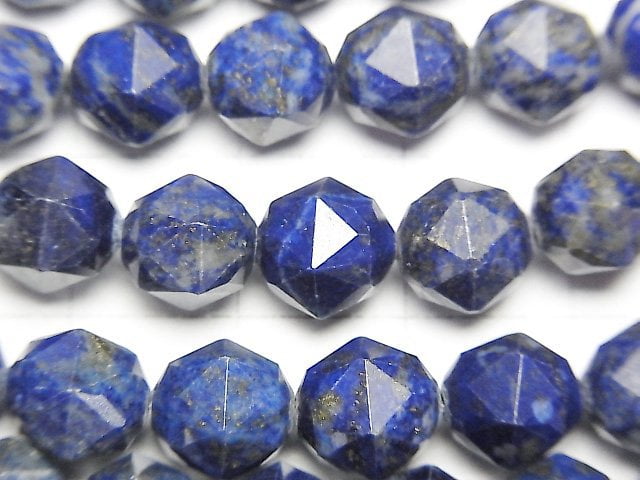
高品質!青金石 AA 刻面圓珠 8mm 1串珠子(約15英吋/37公分)

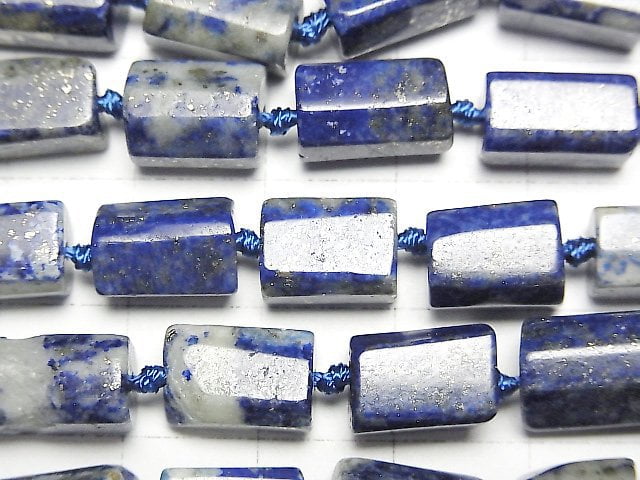
青金石 AA+ 隨形粗管珠 - 切面塊狀 1串珠 (約15英吋/38公分)

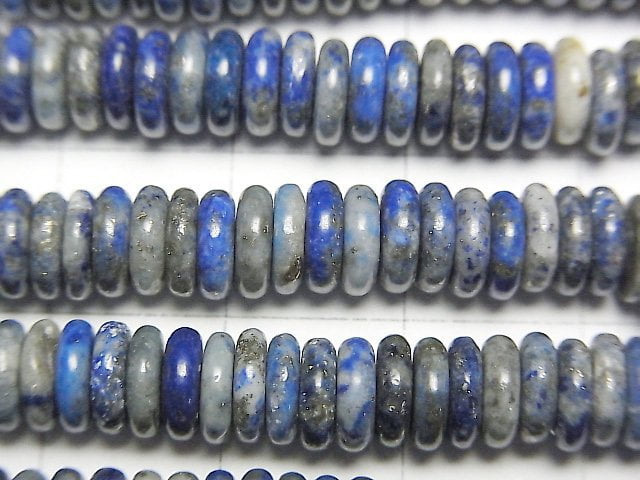
青金石圓珠 6x6x2mm 1串珠子 (約15英吋/37公分)

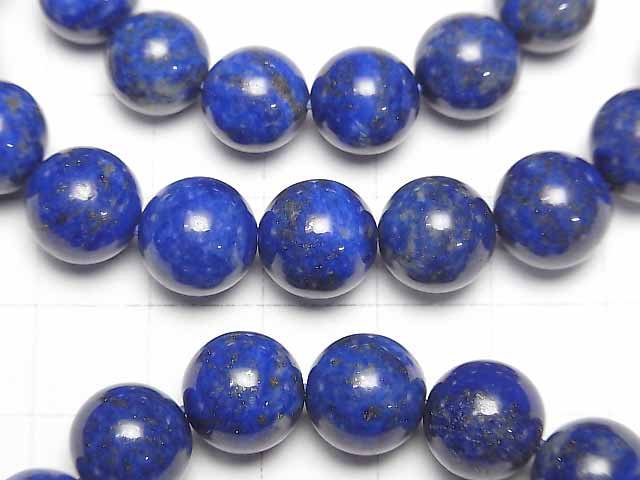
青金石 AA+ 圓珠 10毫米 手鍊

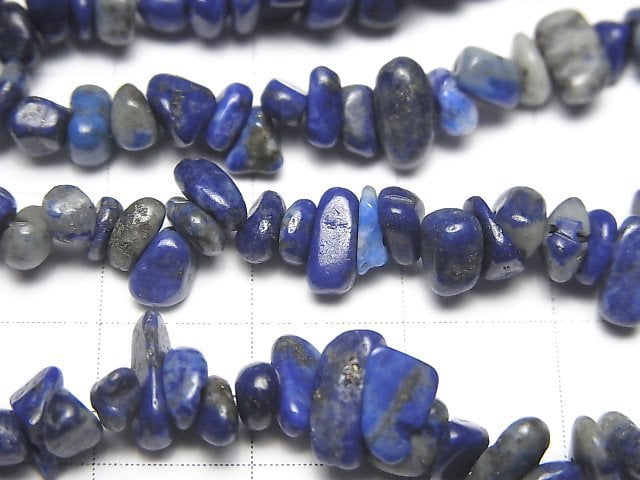
青金石 AA+ 碎石(小塊)1串珠子(約31英吋/78公分)

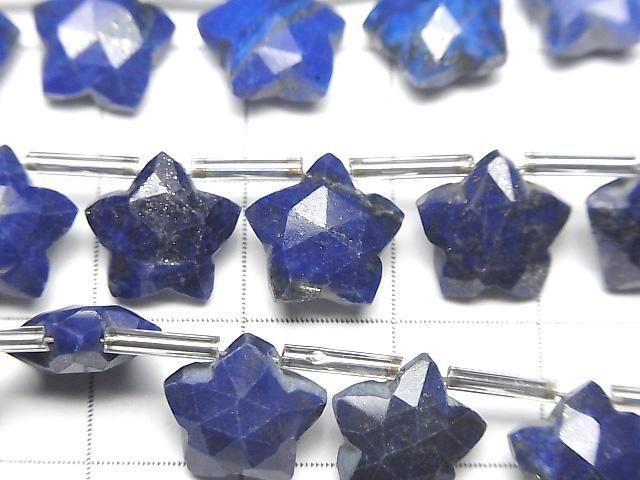
青金石 AA++ 刻面星形 10x10mm 1串珠子 (8顆)

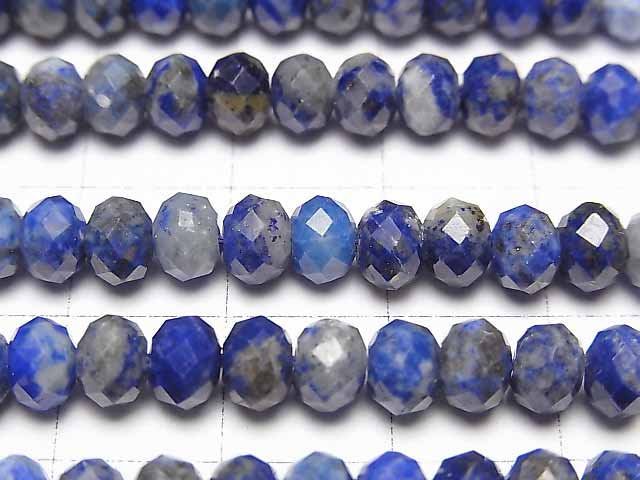
高品質! 青金石 AA 刻面鈕扣圓珠 5.5x5.5x4毫米 1串珠子 (約15英吋/36公分)
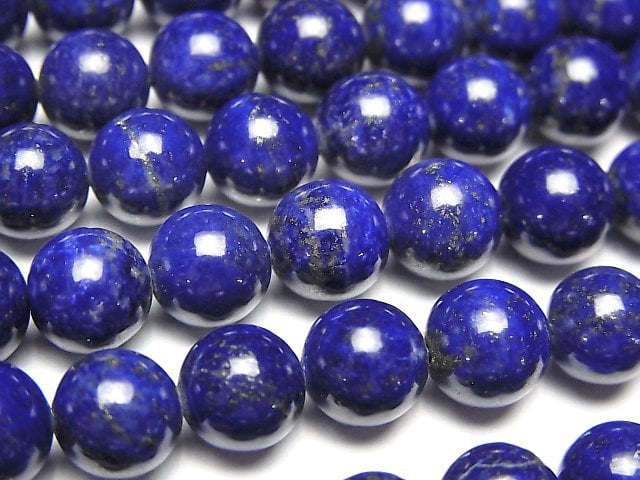
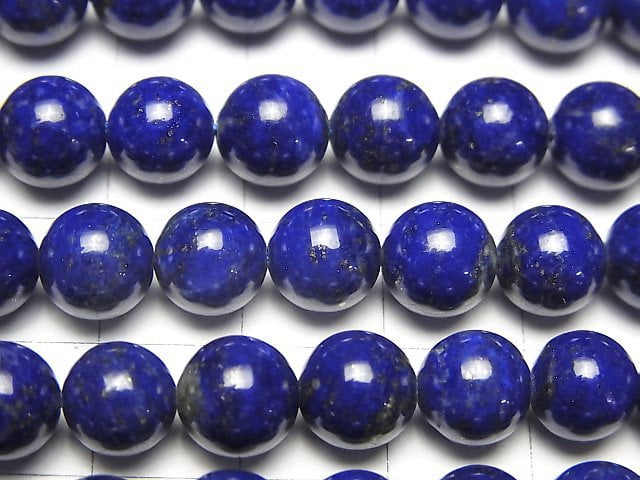
青金石 AAA 圓珠 8mm 1/4 或 1 串珠(約 15 英吋/37 公分)
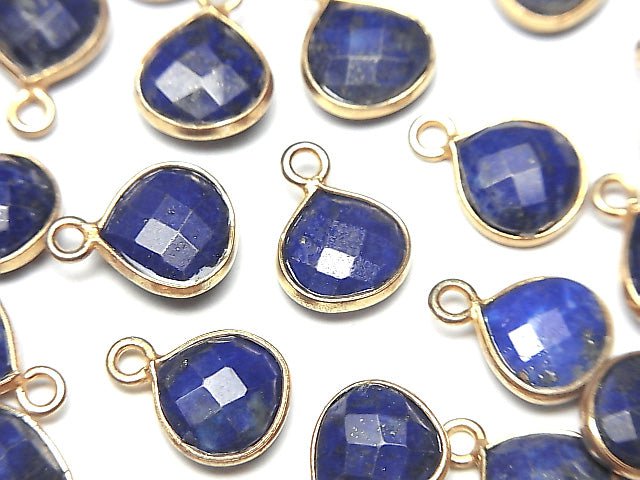
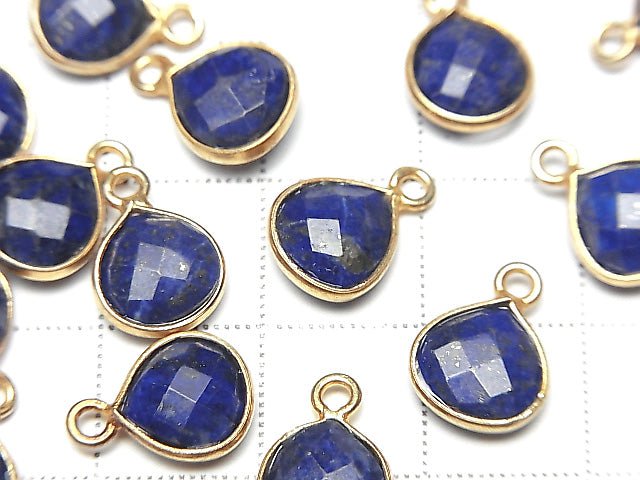
青金石 AA++ 密鑲栗子形 9x9毫米 18KGP 3顆
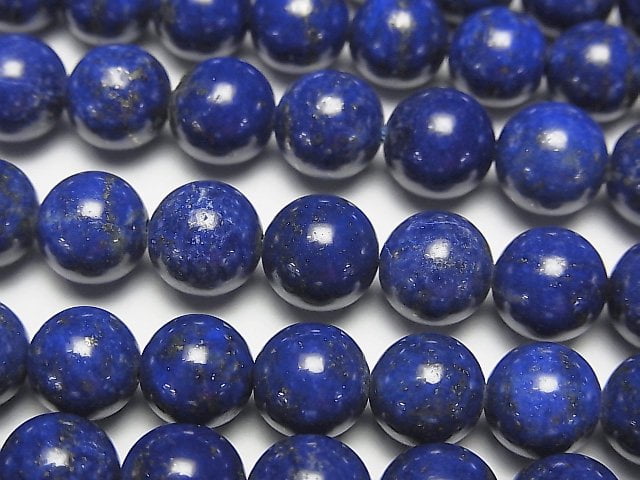
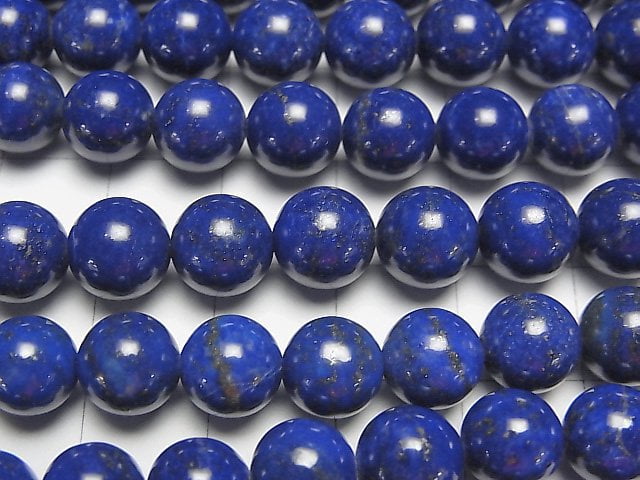
青金石 AAA- 圓形 8mm 1/4 或 1 串珠(約 15 英吋/38 公分)
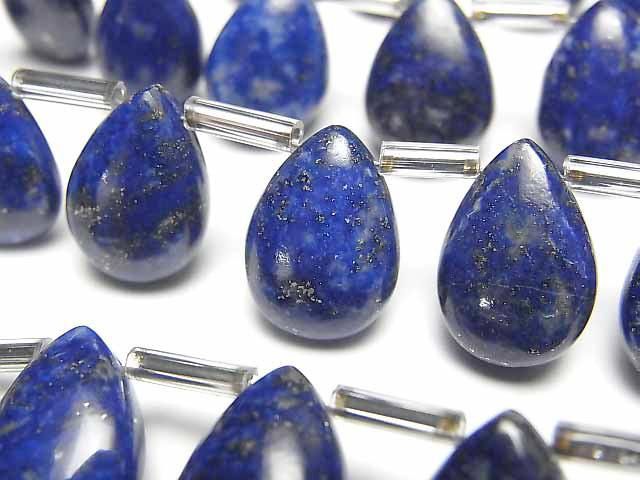
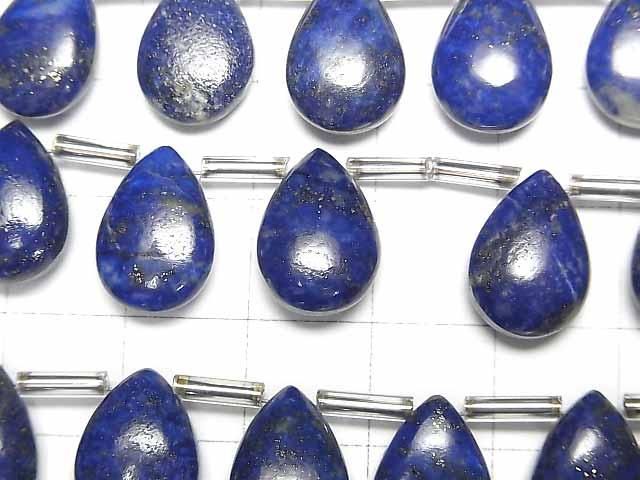
青金石 AA++ 梨形 (平滑) 14x10mm 半串或 1 串 (12顆)

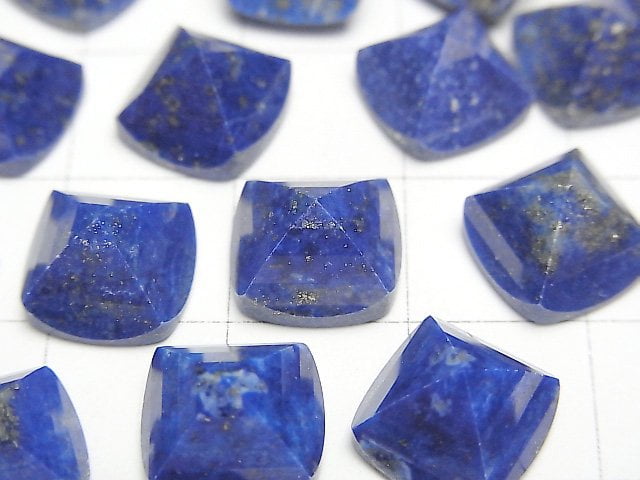
青金石 AA++ 糖塊式切割 10x10mm 1顆
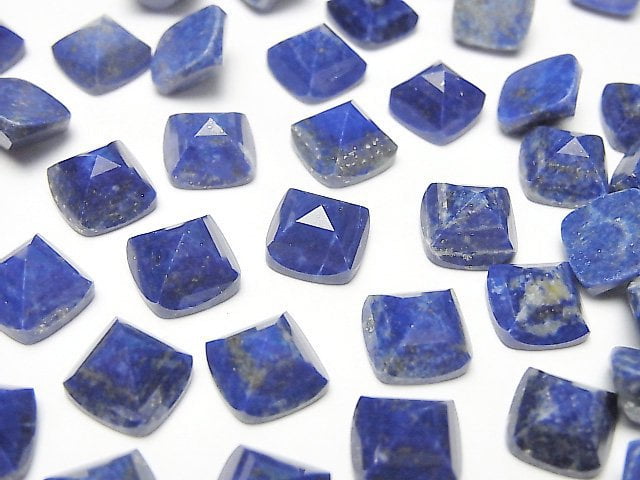
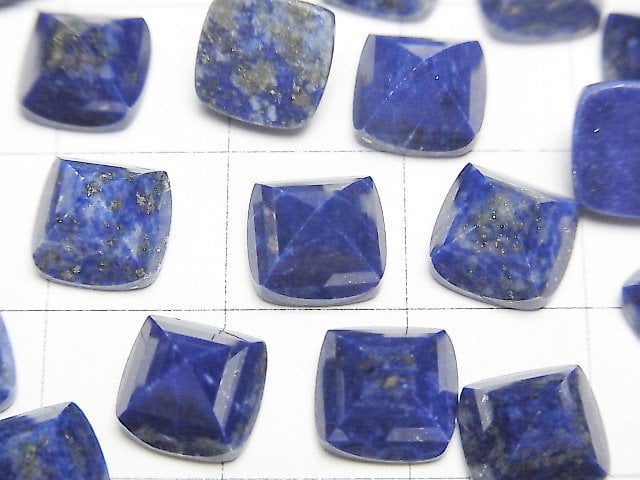
頂級青金石 AA++ 糖麵包山形切割 8x8公釐 2顆
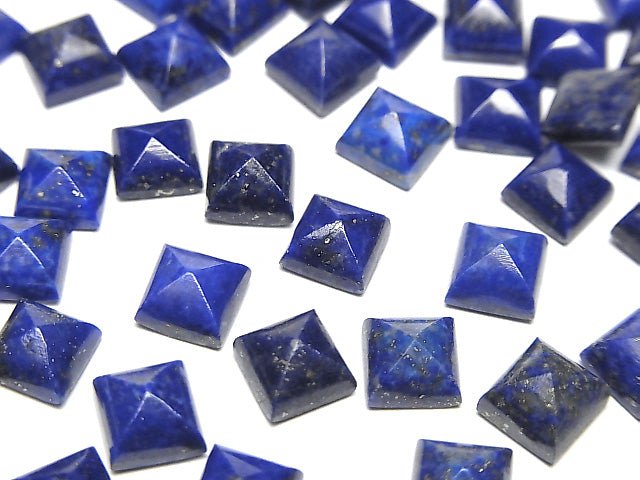
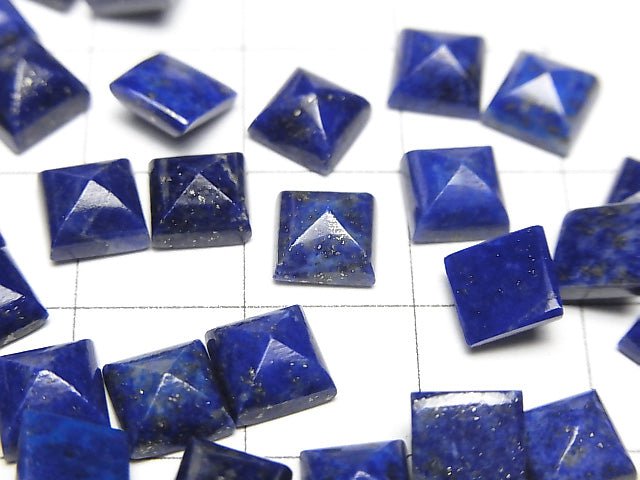
青金石 AA++ 麵包山形切割 6x6公釐 2顆
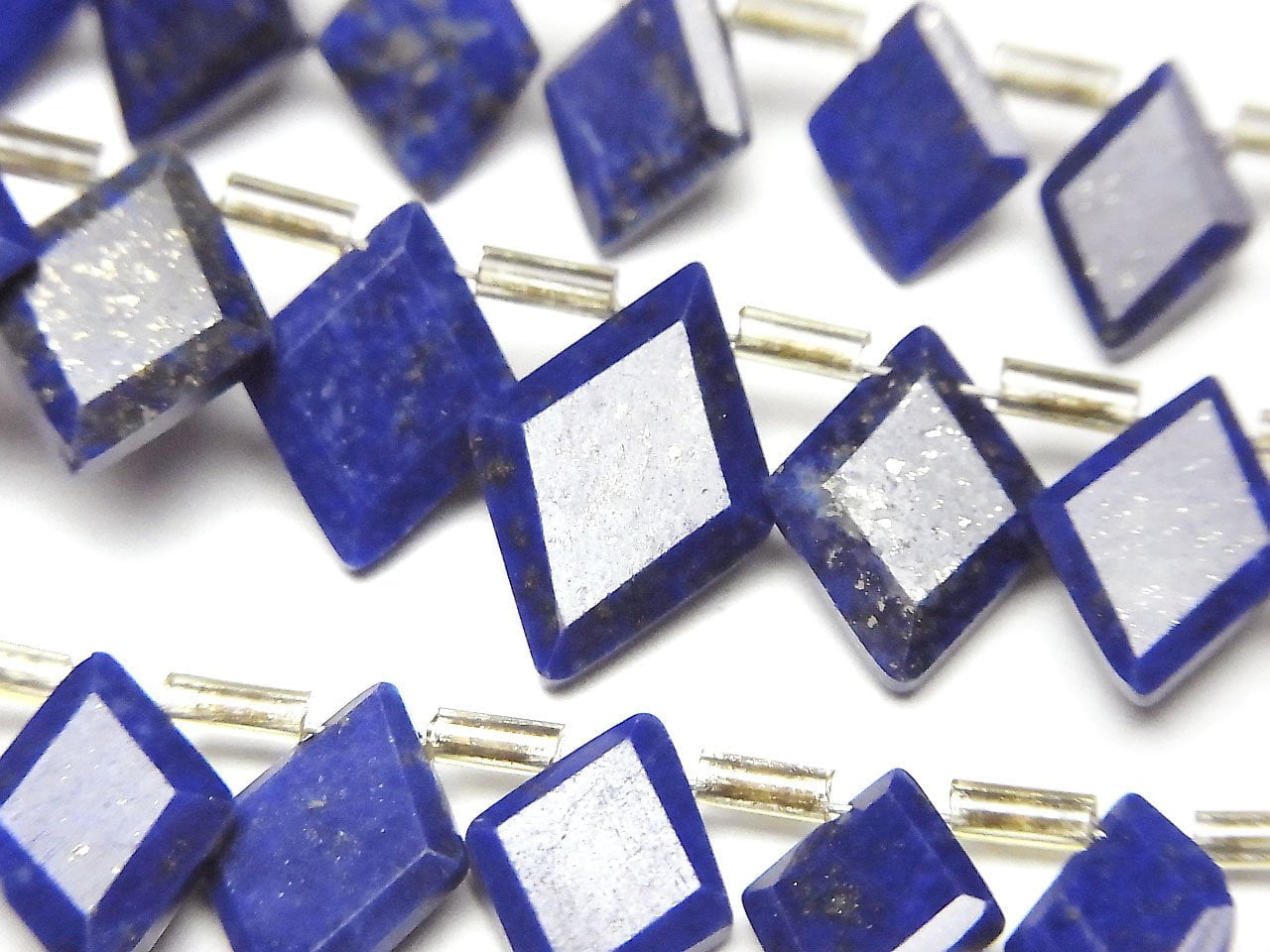
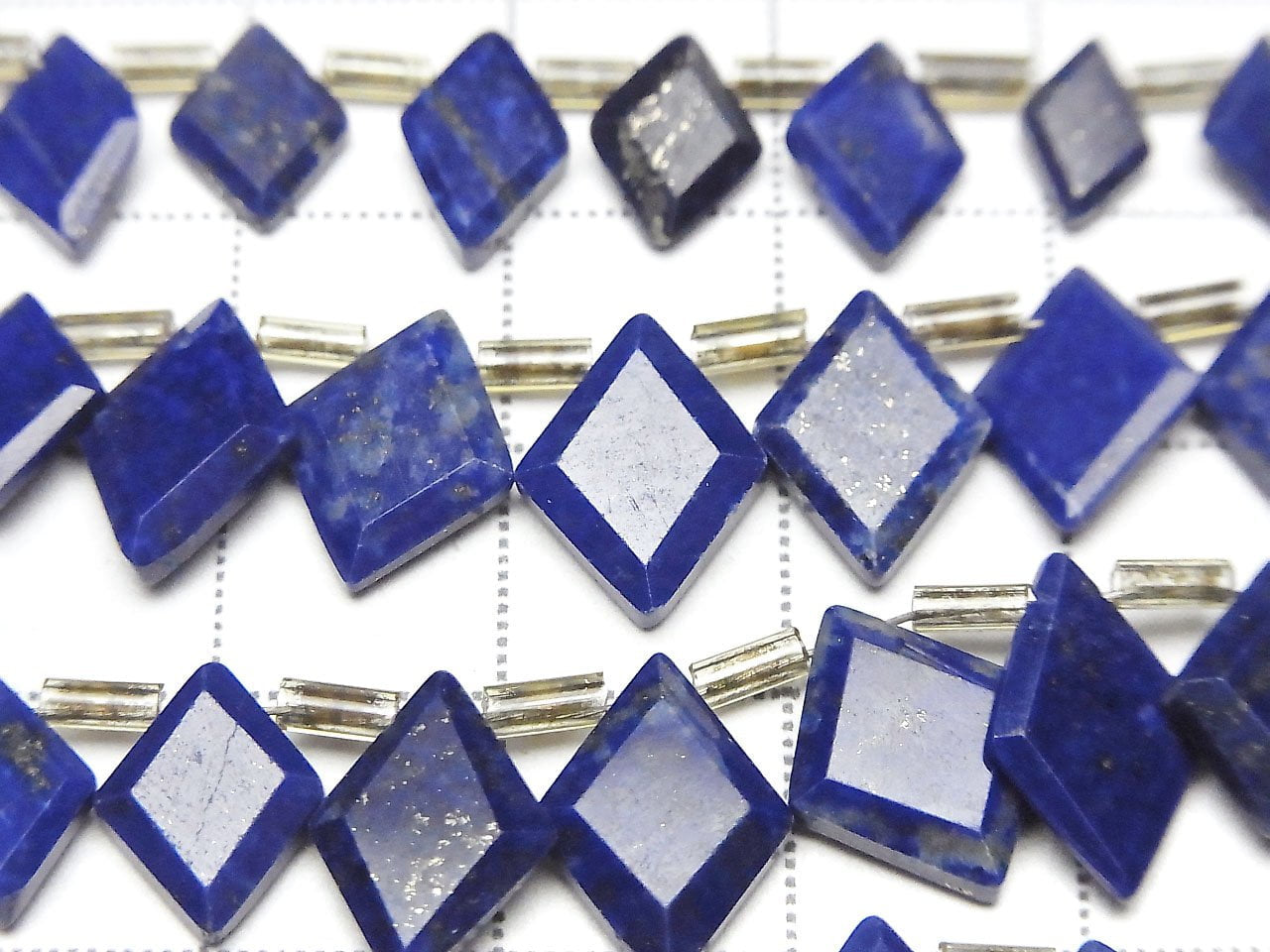
高品質青金石 AAA 菱形半串或一串珠子 (約 7 英寸/18 公分)

青金石 AA+ 圓珠 8mm 手鍊
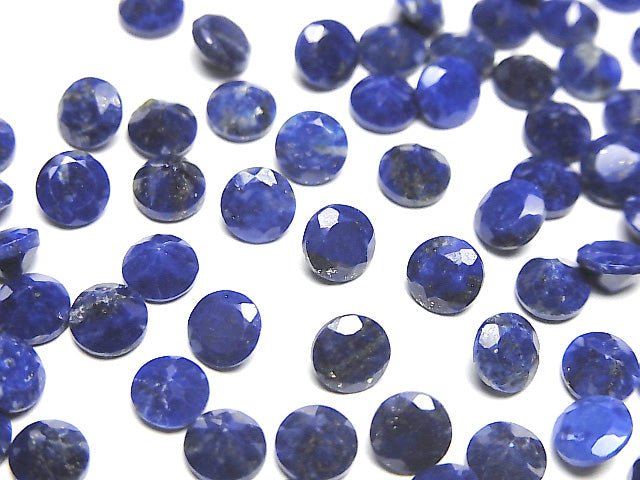
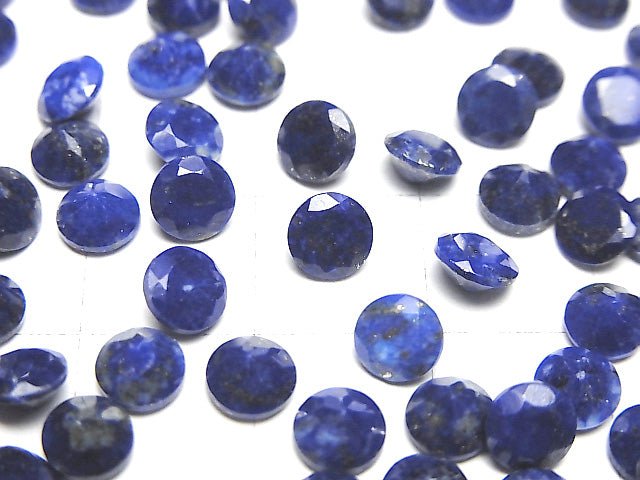
青金石 AA++ 散珠 圓刻面 5x5公釐 10顆

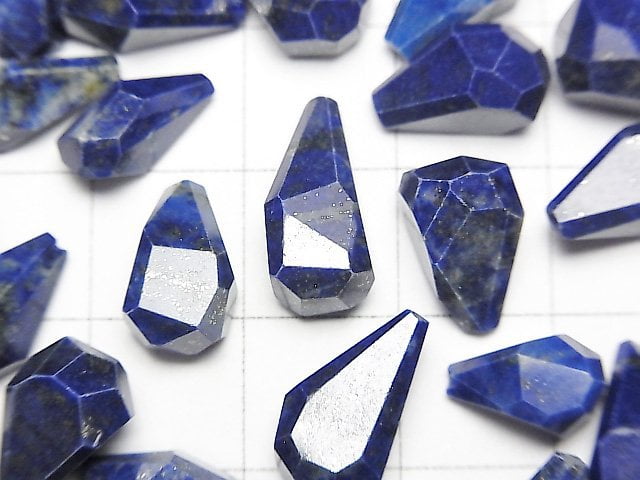
高品質青金石 AA++ 半鑽孔刻面水滴 3顆

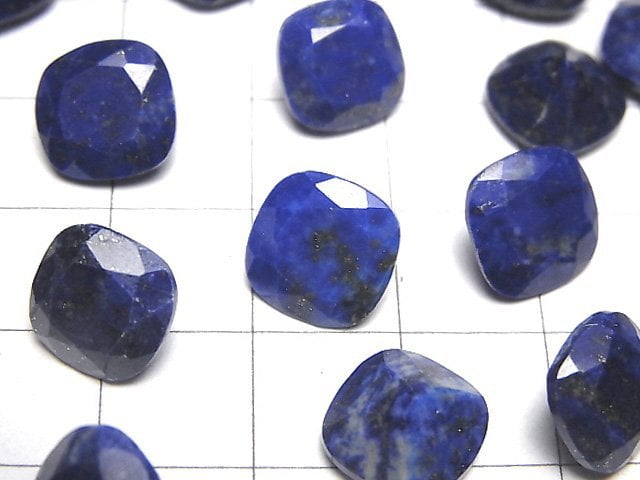
青金石 AA++ 散裝方形刻面 10x10毫米 3顆
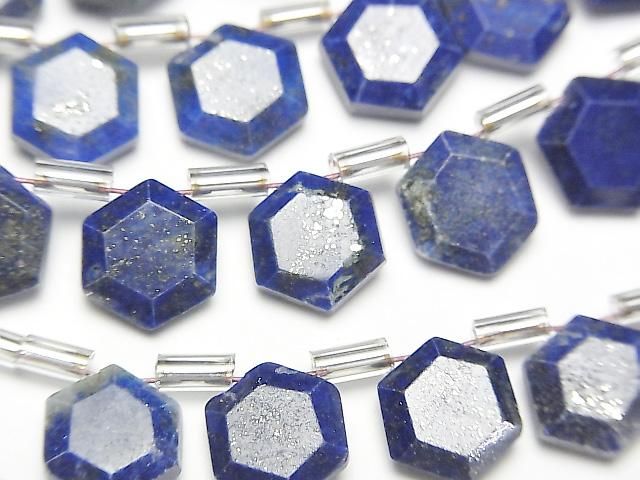
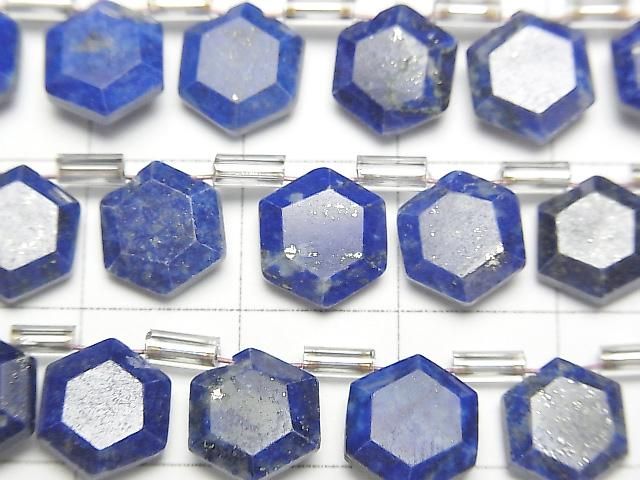
青金石 AA++ 六角切面 9x8公釐 1串珠子 (13顆)

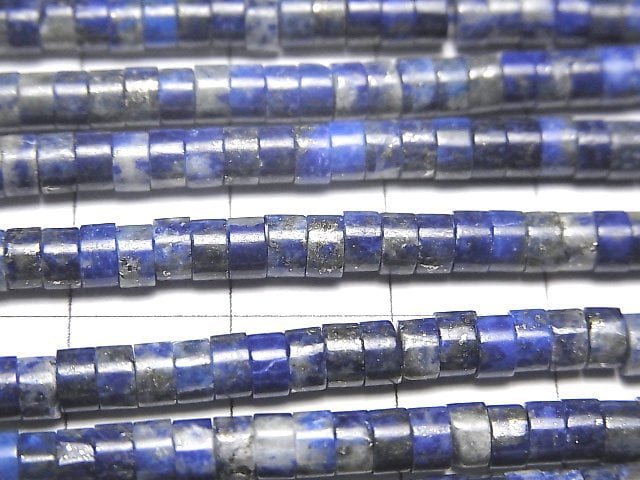
青金石 AA 圓珠 (管狀) 4x4x2mm 1串珠子 (約15英吋/37公分)
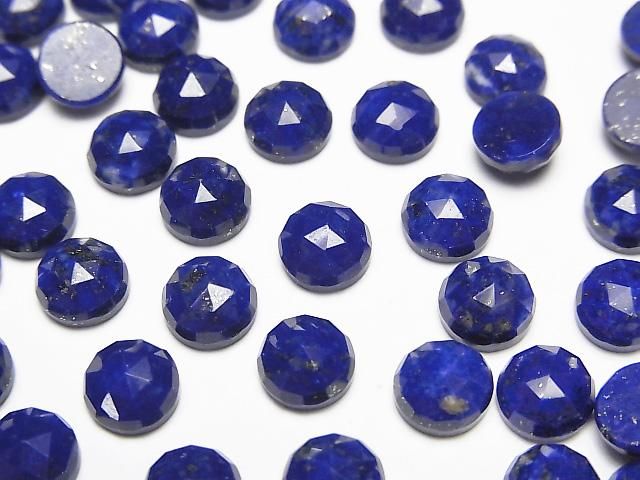
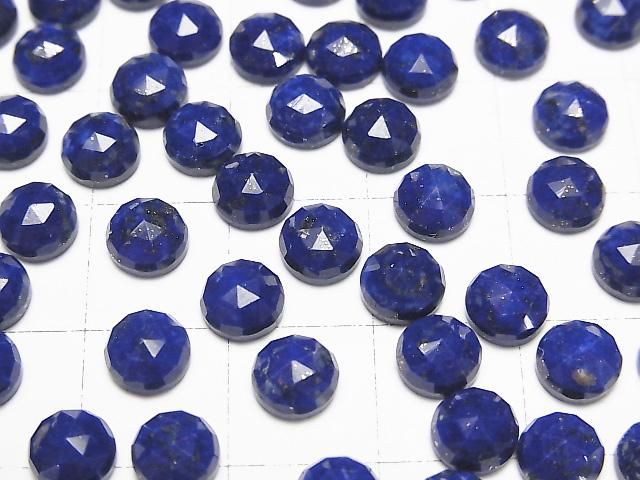
青金石 AAA- 圓形玫瑰切割 6x6mm 5顆

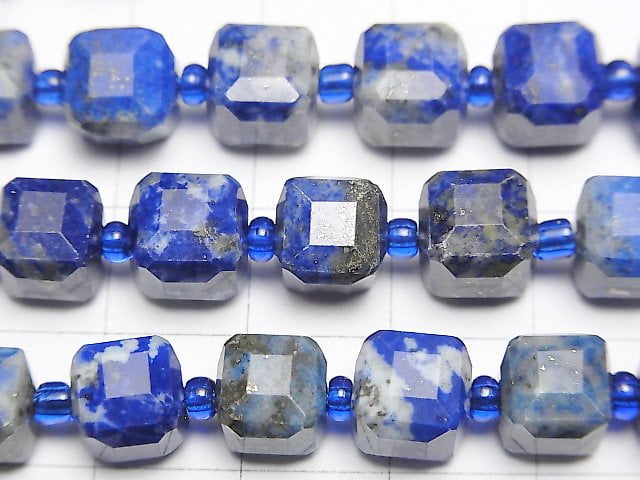
高品質!AA級青金石方塊形珠 8x8x8公釐 半串或一串珠子(約15英吋/37公分)
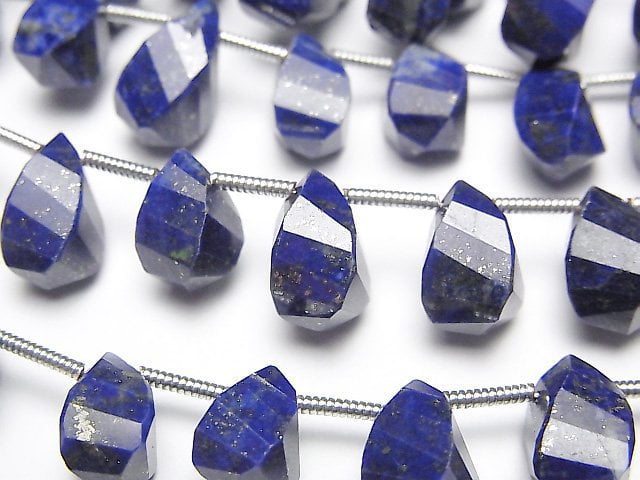
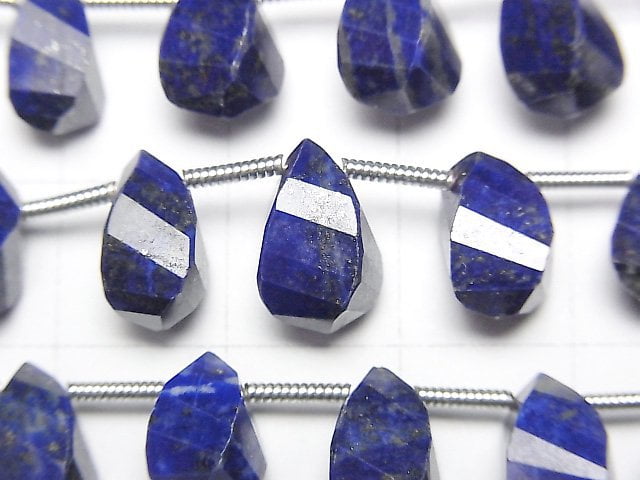
高品質青金石 AAA-水滴 4刻面 扭紋刻面 梨形 半串或 1串珠子 (20顆)
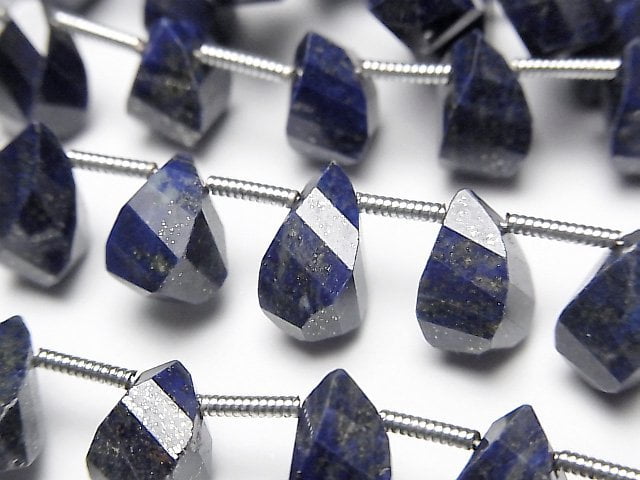
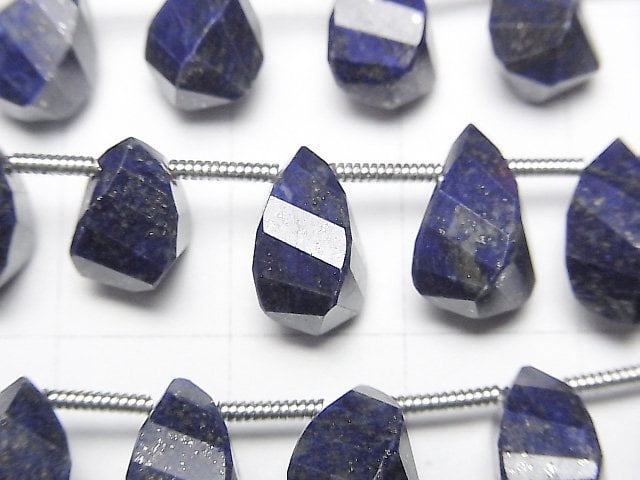
高品質 青金石 AAA - 水滴形 4 切面 扭轉刻面 刻面梨形 半串或 1 串珠子 (20顆)
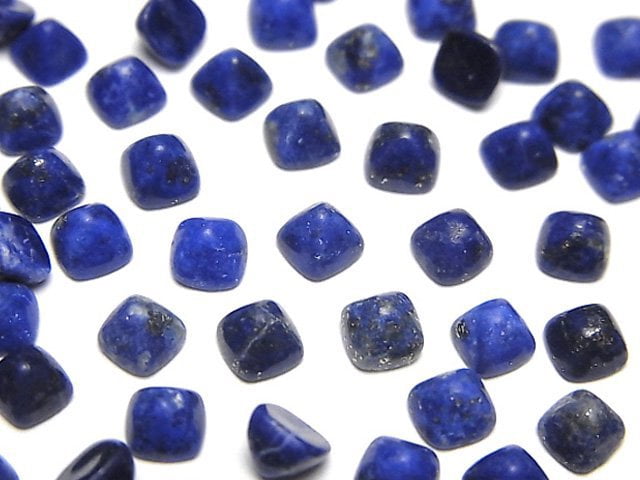
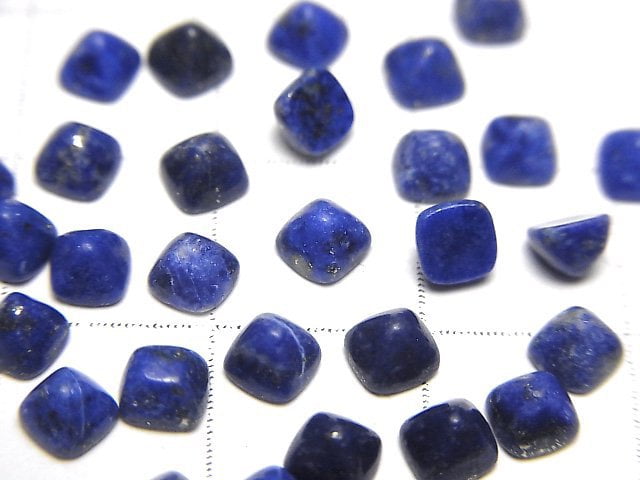
青金石 AA++ 糖塊式切割 4x4毫米 5顆
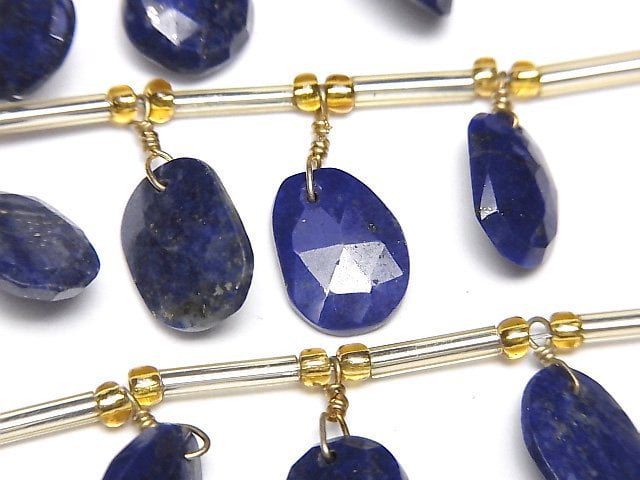
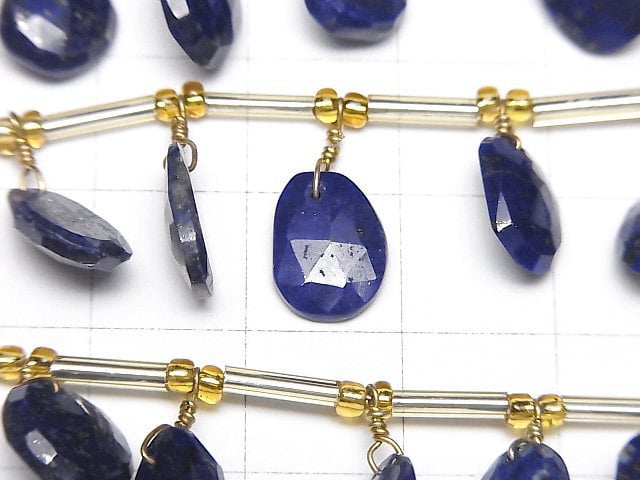
高品質青金石 AA++ 自由形單面玫瑰式切割半串或 1 串珠子 (16 顆)
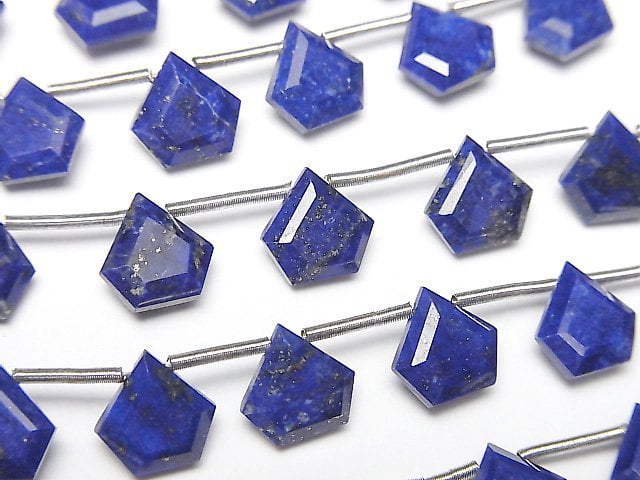
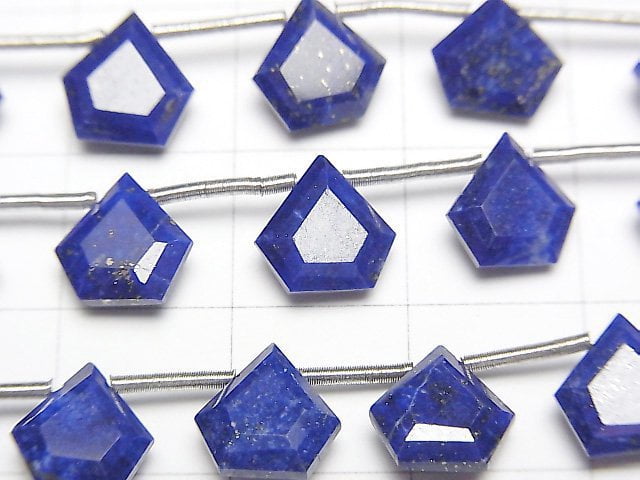
高品質青金石 AAA 五角形刻面 8x8mm 1串珠子 (8顆)
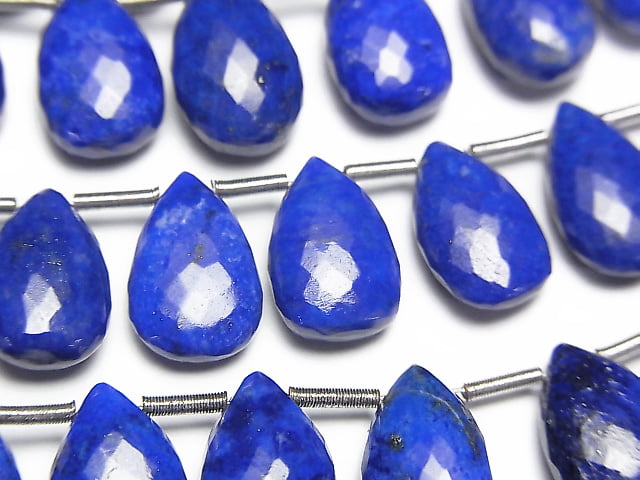
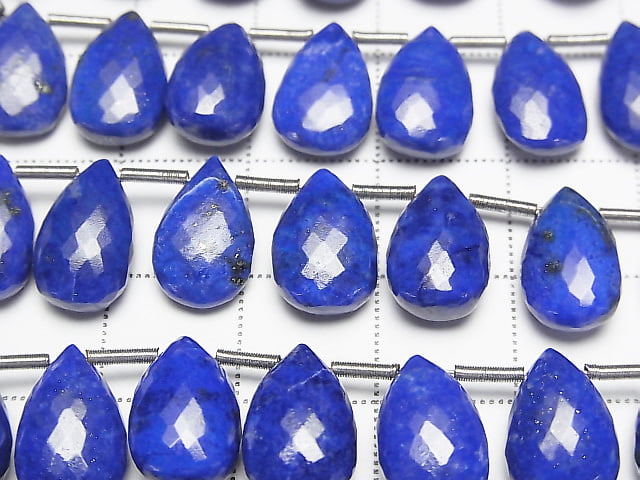
高品質青金石 AAA 梨形刻面錐形珠 12x8mm 半串或 1 串珠(8 顆)
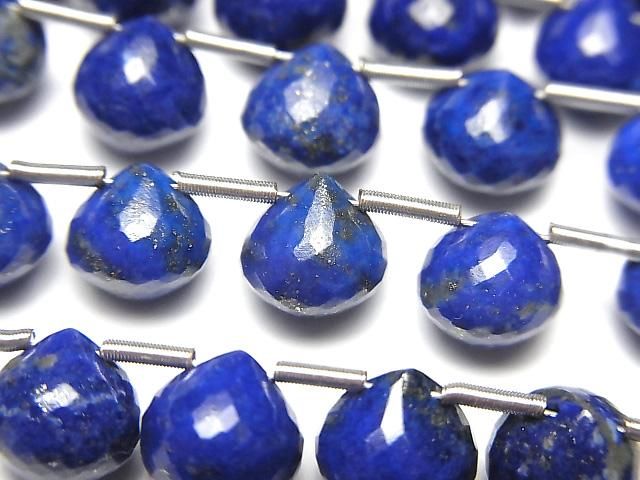
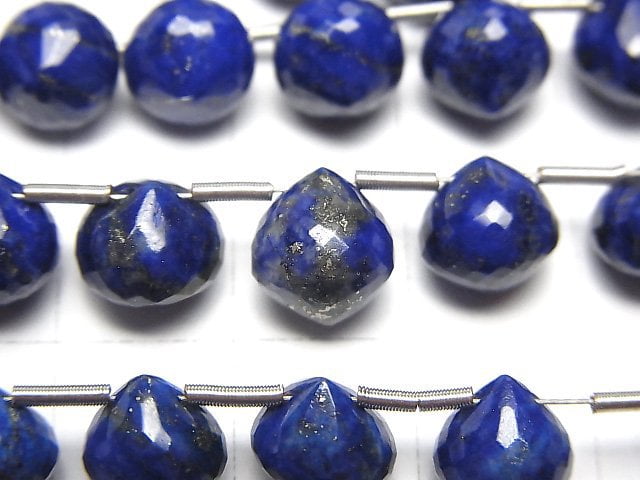
高品質青金石 AAA 刻面洋蔥水滴形珠子 8x8mm 半串或 1 串 (8顆)
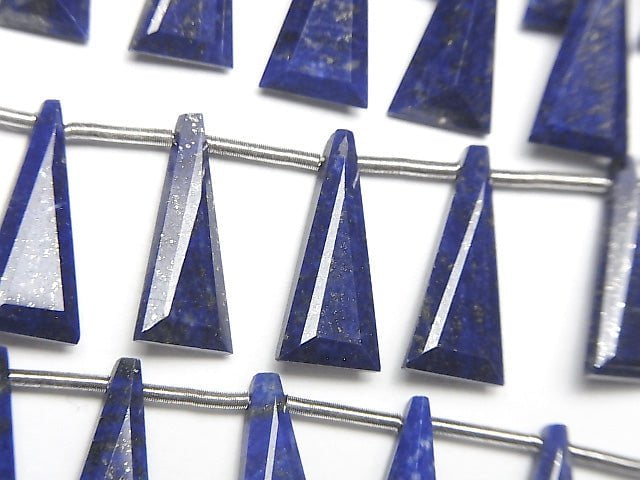
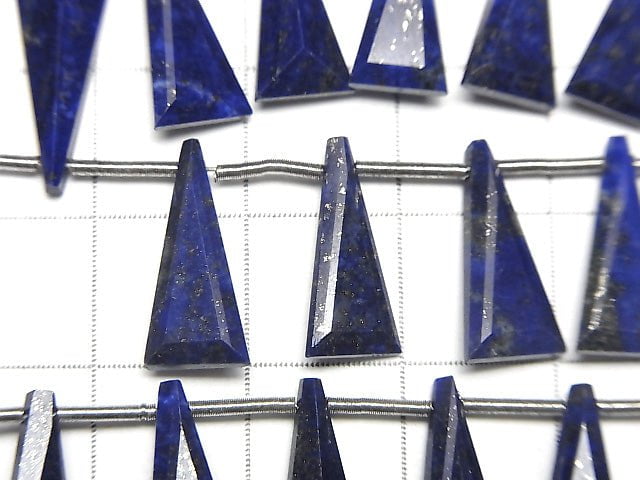
高品質青金石 AAA-三角形刻面 15x7毫米 1串珠子 (8顆)
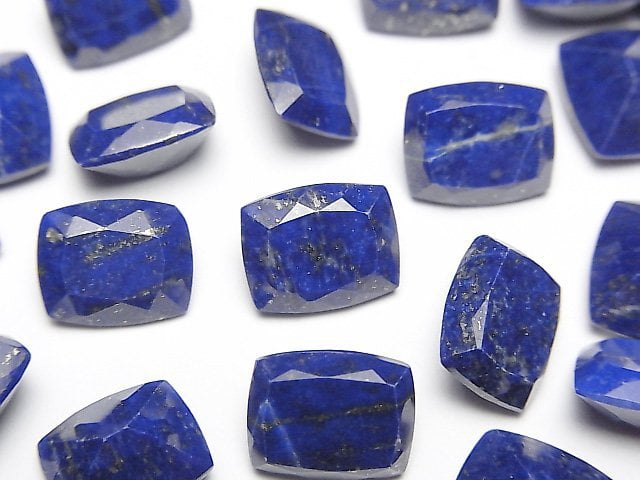
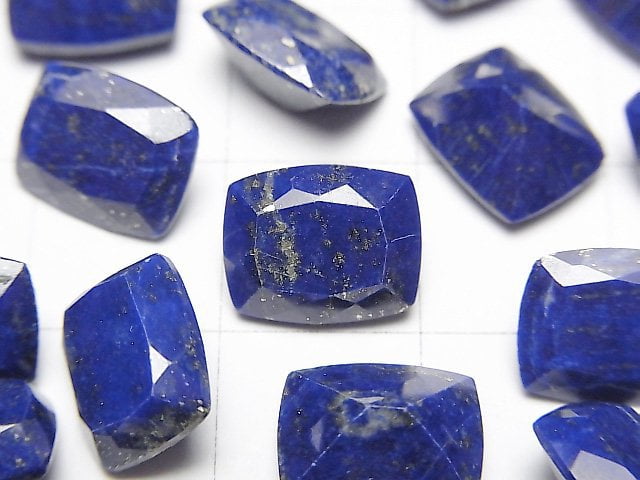
青金石 AAA- 裸石 長方形 刻面 10x8毫米 3顆
Recently viewed
Lapis Lazuli / Meaning and Properties
- 1. What is Lapis Lazuli?
- 2. The History of Lapis Lazuli
- 3. Metaphysical Properties of Lapis Lazuli
- 4. Magical Properties of Lapis Lazuli
- 5. Healing Properties of Lapis Lazuli
- 6. Lapis Lazuli for Jewelry Making
What is Lapis Lazuli?
Lapis lazuli is one of the most vibrant and fascinating stones in mineralogy. A sky-blue gem with golden veins and an amazing luster proudly wears the poetic name "Heavenly Stone". Indeed, its fabulously beautiful coloring resembles the azure of a clear sky. In Arabic, the word ‘azul’ means sky, and the same meaning has the Persian ‘lazurite’. By the way, lazurite is one of the many names of this mysterious mineral.
The History of Lapis Lazuli
People discovered the majestic mineral more than 7,000 years ago. The ancient Egyptians called it "the son of heaven". They believed that the blue stone was intended for pharaohs as successors of the god Ra on Earth. The stone became an embellishment for statues of gods and rulers. It also doubled as an inlay for bracelets, necklaces, rings, headpieces, etc. Modern museums display ancient scarab jewelry adorned with lapis lazuli, and this pinpoints its mission as a ritual attribute. Regular Egyptians wore lapis lazuli jewelry as well. They believed that it could bring longevity and happiness.
Lapis Lazuli was (and still is) loved around the globe. Legends and traditions from every corner of the world link the blue stone to the highest powers. For the Sumerians, lapis lazuli was a symbol of their supreme deity Inanna. In
Our ancestors could not but endow such an amazing mineral with healing properties. The ancient Egyptians crushed the stones into powder and made medicine to remove the poison from the body. The same blue powder was prescribed to cure eye diseases.
Metaphysical Properties of Lapis Lazuli

Lapis lazuli is a complex compound comprised of several chemical elements. It contains sulfur, sodium, aluminum, oxygen, and calcium. The more sulfur it features, the more vibrant color it provides. The most charming specimens of lapis lazuli contain golden or silvery blotches or streaks. Impurities of pyrite and feldspar are responsible for this mesmerizing effect. Gemstones may also have gray stripes but their value isn’t particularly high.
The most popular colors of lapis lazuli range from ultramarine blue to deep purple, although it naturally occurs in such shades as teal, cobalt, turquoise, greenish, lilac, etc. Regardless of the color, lapis lazuli boasts a silky, as if oily, sheen.
The most valuable lapis lazuli stones are mined in
Lapis lazuli is not the hardest gemstone around. It has 5.5 on the Mohs scale. Inside, the stone is grainy and conch-like. Due to its low density and hardness, it lends itself well for cutting. More often than not, it is cut en cabochon.
Magical Properties of Lapis Lazuli
Since time immemorial, lapis lazuli has been known as the stone of friendship. It helps people open up, makes them more outgoing and charming, and improves interpersonal relationships. The mineral removes conflicts and contradictions as well as aids to come to understanding. Lapis lazuli will come in handy for individuals who often interact with people. Besides that, the mineral assists in self-realization as well as attracts good luck, success, and prosperity. It contributes to the achievement of goals and the implementation of plans. For this reason, it is an excellent choice for entrepreneurs, merchants, politicians, etc.

As an amulet, lapis lazuli neutralizes negativity that comes from other people. The positive energy it radiates inspires to overcome hardship and drives away ill-wishers. You can also use lapis lazuli amulets to dispel bad thoughts and unpleasant memories. To do so, you need to put the gem on the forehead and mentally flush all the things that make you upset.
The blue stone does not tolerate evil. Instead, it welcomes good to this world. They say that it is able to help a person in spiritual development; hence it is used in meditative practices focused on conceiving of the inner world. Lapis lazuli is also beneficial in love matters. It helps nurture affection as well as contributes to growing respect and trust. A house that has lapis lazuli amulets is a place where love flourishes.
Healing properties of Lapis Lazuli
Some of the most ancient mentions about the healing properties of lapis lazuli are found in the works of Avicenna. He believed that the mineral alleviated a variety of diseases. In particular, he recommended using the blue stone to cure the diseases of kidneys and gastrointestinal tract. Healers relied on it to cleanse the blood, kill germs, treat skin diseases, and facilitate childbirth. Lapis lazuli is also known for its powers to normalize blood pressure and treat mental illnesses.
In modern lithotherapy, the gemstone has a variety of applications. You can use it for the following:
relieve fatigue, tension, and stress;
fight insomnia;
regain vitality, energy, and stamina;
relieve inflammation as well as back and joints pain;
improve the functioning of the thyroid gland;
enhance immunity;
battle allergies;
improve hearing.
Lapis lazuli can have both a short- and long-term effect on one’s health. To remove the symptoms of acute diseases, it’s enough to hold the mineral for a few minutes. If you’d like to reap its benefits in the long run, lapis lazuli jewelry worn regularly is just what the doctor ordered.
Lapis Lazuli for Jewelry Making
If you’re looking for lapis lazuli gems loose, by piece, or in strands, Kenkengems is the place to go. We deliver some of the most electrifying specimens of